Zirconia Dental Implants in California: The Metal-Free Guide (and How They Compare to Titanium)
Medically reviewed by Dr. Alexander V. Antipov, DDS — Board-Certified Oral & Maxillofacial Surgeon · Diplomate, American Board of Oral & Maxillofacial Surgery (ABOMS) · California Dental License #50724
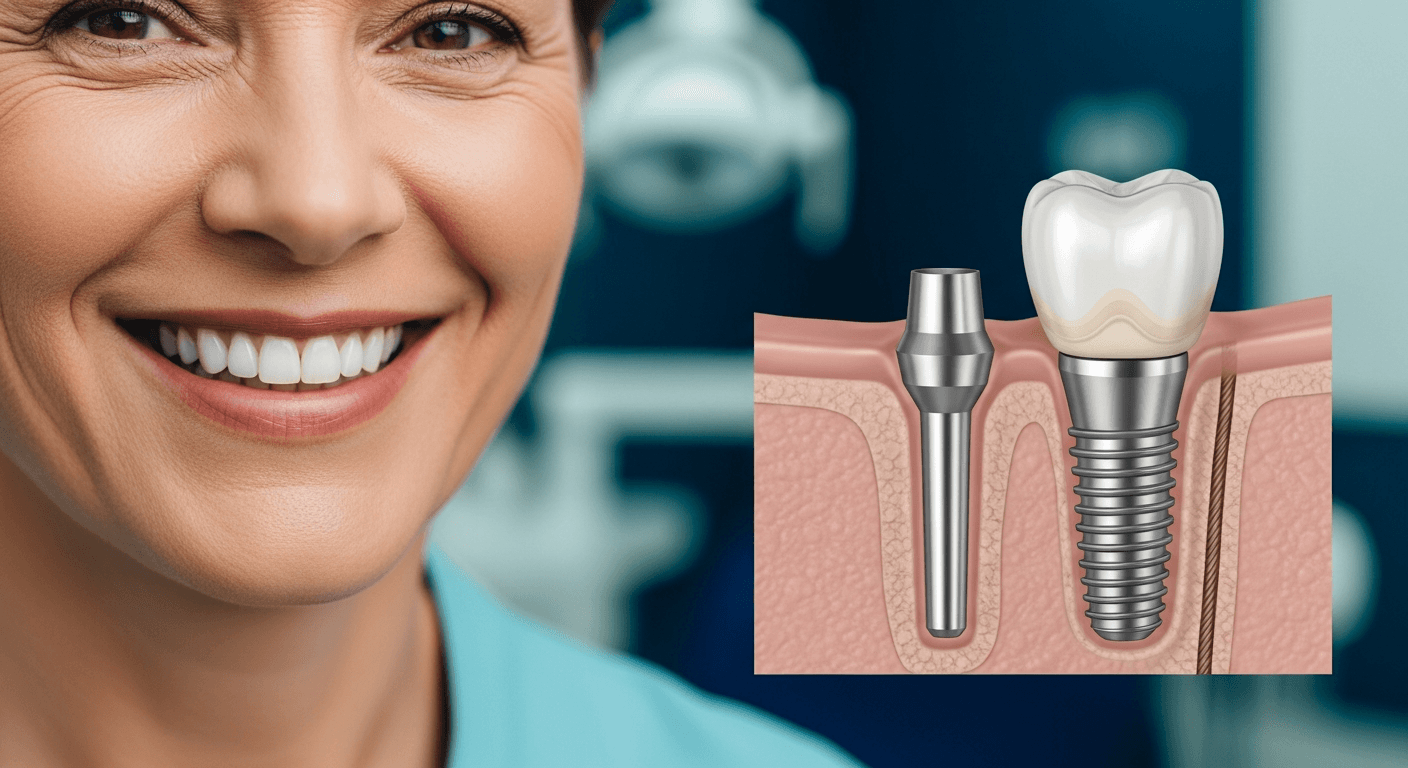
Zirconia dental implants are a metal-free ceramic alternative to titanium, with ten-year success rates reported as high as 94–98% and no gray line at the gumline, explains Dr. Alexander Antipov, a board-certified oral and maxillofacial surgeon in Roseville, CA serving the greater Sacramento area. What if the most durable solution for your missing teeth didn't require placing metal in your body at all? For some patients, the idea of a titanium screw triggers genuine concern — about metal sensitivities, about a “holistic” approach to health, or about the thin gray line that can show through receding gum tissue years later. Zirconia dental implants are the answer California patients increasingly ask about: a bio-inert ceramic sometimes called “ceramic steel,” with ten-year success rates reported as high as 94–98% — rivaling titanium — while offering naturally white, tooth-colored aesthetics. This guide explains what zirconia actually is, how it compares to titanium clinically, who each material suits, and what the procedure looks like at a board-certified oral surgery practice in Roseville serving the greater Sacramento area.
This article is for general education — consult a qualified oral surgeon for a personalized recommendation.
What Are Zirconia Dental Implants? The Ceramic Alternative Explained
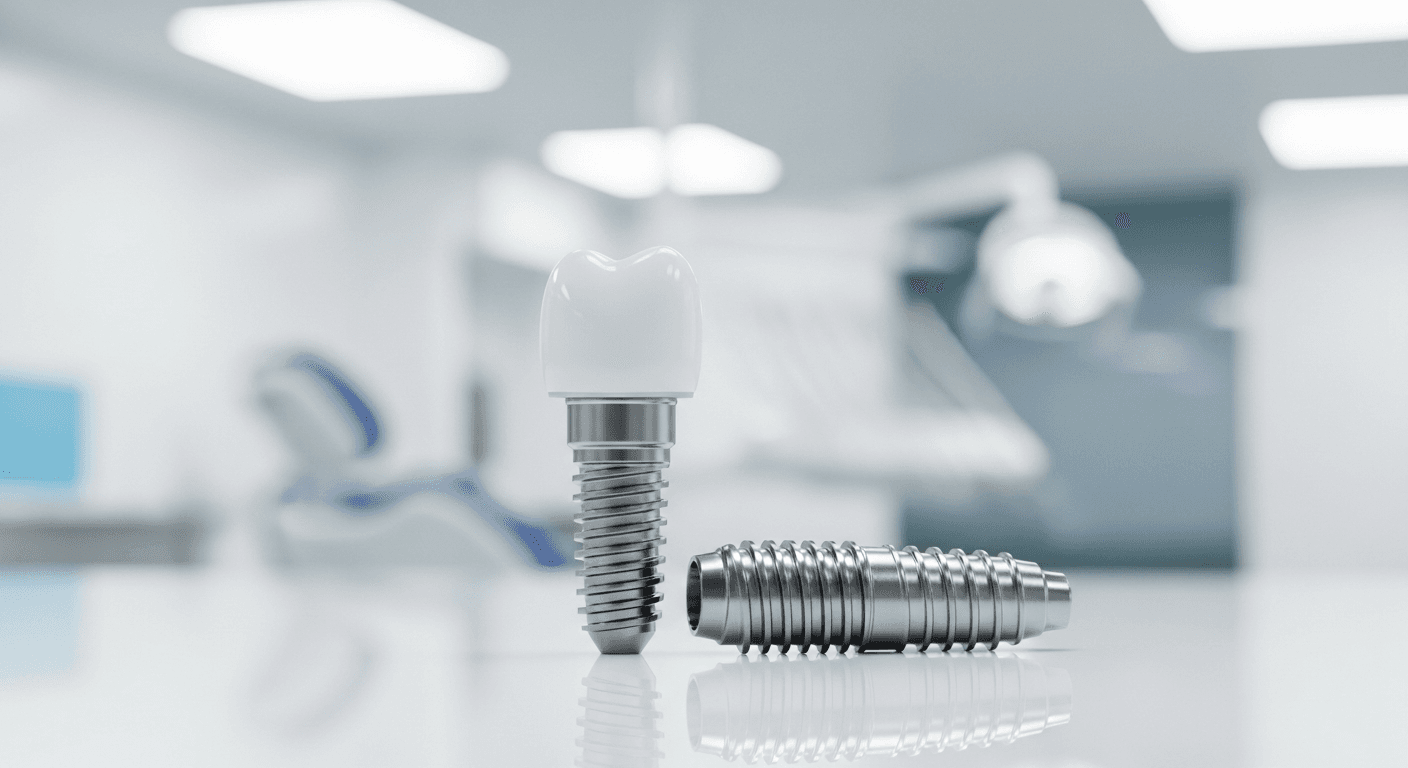
Zirconia is zirconium dioxide, a crystal-based material often called “ceramic steel” for its exceptional durability and fracture strength. Although zirconium sits on the periodic table as a transition metal, the oxidation process that creates zirconia transforms it into a bio-inert ceramic. Once inside your body it does not behave like metal: it doesn't corrode, doesn't conduct heat or electricity, and doesn't provoke the reactions some patients experience with metal alloys. Before dentistry adopted it, zirconia proved itself over decades in high-stress medical applications like hip replacements.
To withstand chewing forces, most implant systems use 3Y-TZP — zirconia stabilized with yttria, which stops microscopic cracks from propagating and keeps the implant structurally sound for years. The material is naturally white and opaque, which is the source of its most visible advantage: it mimics a natural tooth root instead of showing as a dark shadow if gum tissue thins or recedes over time.
Demand for metal-free options has grown noticeably across the Sacramento, Roseville, and Elk Grove communities we serve, driven by patients who prioritize biocompatibility — the idea that medical materials should work in harmony with the body. Choosing a ceramic also eliminates galvanic corrosion, the tiny electrical current that can occur when dissimilar metals (say, a titanium post and an old metal crown) interact in saliva. If you're starting from the basics, our overview of what an oral surgeon does and our guide to who is a candidate for dental implants are good starting points.
Zirconia vs. Titanium: A Clinical Comparison
Titanium has been the cornerstone of implant dentistry for over 50 years, with the deepest well of long-term data. Zirconia has built a solid 20-year track record as the premium metal-free alternative. Both integrate with bone (osseointegration) at success rates above 95% in healthy patients — the meaningful differences lie elsewhere. For our full head-to-head comparison, see titanium vs zirconia dental implants.
Durability: titanium is slightly more flexible, which helps it absorb heavy chewing forces in the back of the mouth. Zirconia counters with enormous fracture toughness — roughly 900–1,200 MPa in modern stabilized formulations — making it highly resistant to structural failure when placed at the correct angle. That caveat matters: because ceramic is stiffer, placement precision carries more weight than it does with titanium.
Design: many zirconia systems are “one-piece” — implant and abutment as a single unit — which eliminates the micro-gap where bacteria can collect in traditional two-piece systems. Two-piece zirconia designs now exist too, restoring some of the surgical flexibility complex cases require. Titanium still offers the widest range of angled abutments and component options, which is one reason it remains the default for full-arch and revision work.
Aesthetics and soft tissue: this is where zirconia genuinely shines. Its white color eliminates the risk of a gray shadow at the gumline, and its smooth, non-polar surface accumulates significantly less plaque than metal — a real advantage in preventing peri-implantitis, the gum inflammation that leads to bone loss around implants. Clinical observations also suggest healthier blood flow in gum tissue around ceramic surfaces.
| Factor | Titanium | Zirconia |
|---|---|---|
| Track record | 50+ years of data | ~20-year track record |
| Durability | Slightly flexible; absorbs chewing forces | Fracture toughness ~900–1,200 MPa; stiffer |
| Design | Widest range of angled, two-piece options | Often one-piece; two-piece designs now exist |
| Aesthetics | Can show a gray line at the gumline | Naturally white — no gray shadow |
| Cost | Baseline | ~15–30% more |
Biocompatibility: Who Actually Benefits From Metal-Free
True titanium allergy is rare — but for the sensitive few, reactions can show up as chronic gum inflammation, persistent redness around a restoration, or diffuse systemic complaints. Patients with a history of reacting to jewelry or other metals, or with confirmed sensitivities on specialized blood testing (such as MELISA testing, ordered through your physician), are the clearest candidates for a ceramic implant.
The second group is philosophical rather than medical: patients pursuing a holistic approach who simply prefer not to carry metal in their jaw. That's a legitimate preference, and zirconia makes it possible without compromising on strength or longevity. The third group is aesthetic — patients with thin gum tissue in the smile zone, where even a well-placed titanium implant could eventually telegraph a gray tint through the gums.
For everyone else, honesty matters: titanium remains the better-documented, more versatile standard, which is why we place it in the majority of cases. The right answer comes from your anatomy and priorities, not from marketing. Our related guide on zirconia full arches covers the separate question of zirconia as a bridge material — where it is already the gold standard on top of implants of either material.
What to Expect: The Zirconia Implant Procedure in Roseville
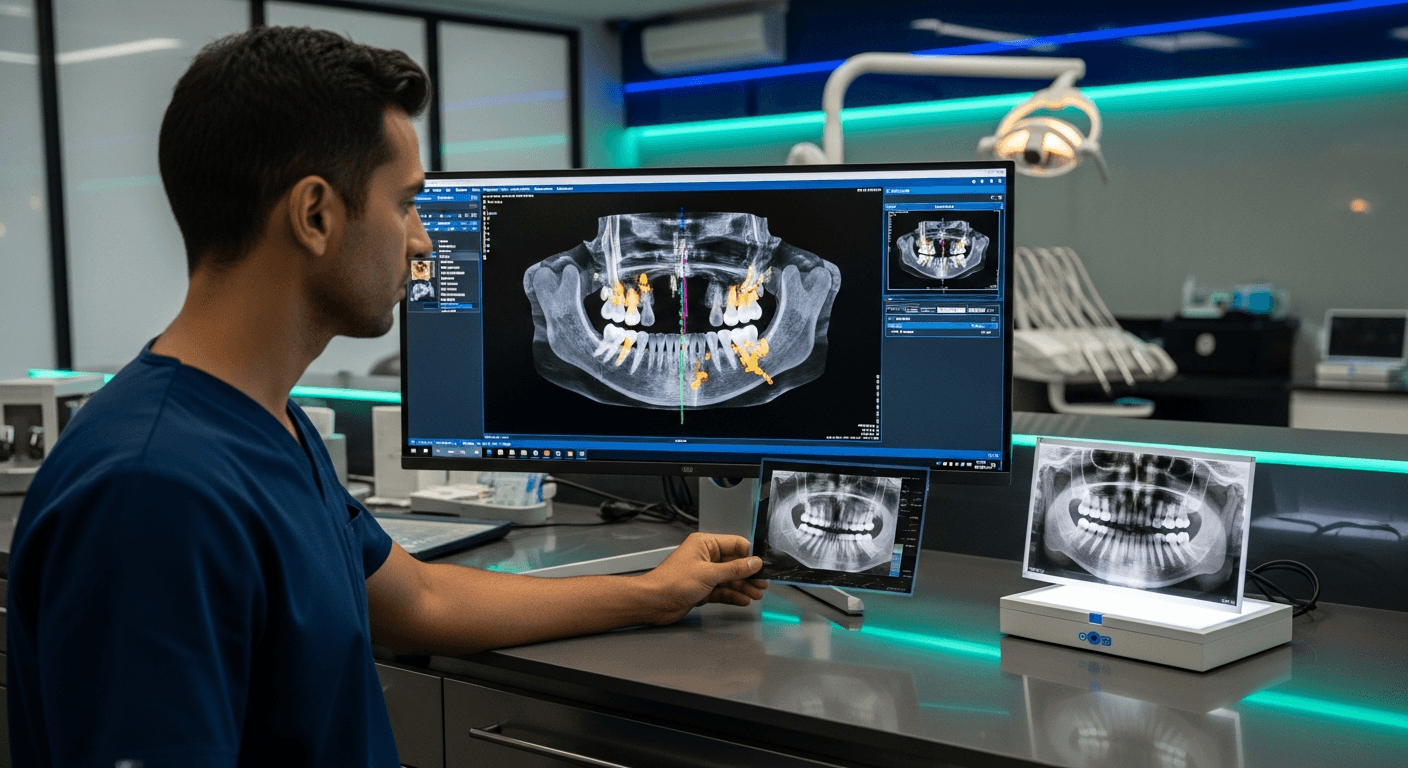
Precision starts before surgery day. At our Roseville office, every implant case begins with a CBCT (3D CT) scan that maps your jawbone in high resolution. Digital planning is especially critical for zirconia: because the ceramic is stiffer than titanium, the placement angle must distribute your bite forces exactly. We use these scans to fabricate custom surgical guides, which often allow minimally invasive “flapless” placement — less tissue trauma, faster early healing. See how 3D-guided implant surgery improves accuracy. If bone volume is short, we'll discuss bone grafting to strengthen the foundation first.
On surgery day, comfort is handled properly: as a board-certified oral & maxillofacial surgeon, Dr. Antipov is licensed for the full spectrum of anesthesia — from local numbing through IV sedation — reviewed in our guide to sedation options for implant surgery. In appropriate cases a high-quality temporary restoration can be attached the same day, so you don't leave with a gap in your smile while the implant fuses to bone over the following months.
- — Stick to soft foods early: smoothies, yogurt, eggs, and mashed vegetables keep pressure off the surgical site.
- — Prioritize rest: skip strenuous activity for the first 48–72 hours so your body can put its energy into healing.
- — Maintain gentle hygiene: follow our specific rinsing instructions to keep the area clean without disturbing healing tissue.
Cost, Insurance, and Choosing a Provider in Northern California
Zirconia is a premium material and typically runs about 15–30% more than a comparable titanium implant — reflecting both manufacturing cost and the precision its placement demands. For baseline numbers, see our guide to single dental implant cost in Northern California; California PPO plans generally treat zirconia like any major restorative procedure, contributing toward it up to your annual maximum, though they may not cover the full ceramic premium. Our team verifies your benefits before your consultation. And financing works the same as for any implant case — our California financing guide covers every 2026 option.
Provider choice matters more with zirconia than with titanium, because the stiffer ceramic is less forgiving of imprecise placement. Ask who is actually performing the surgery, whether they are board-certified in oral & maxillofacial surgery, and whether your case is digitally planned. And you shouldn't have to overpay for that expertise: Dr. Antipov backs his fees with a like-for-like price-match guarantee — bring a written estimate from another local provider for the same treatment plan and materials, and we'll work to match that value without compromising surgical quality.
Frequently Asked Questions
Are zirconia dental implants more expensive than titanium in California?
Yes — zirconia is a premium material that typically costs about 15–30% more than a comparable titanium implant. The difference reflects the advanced manufacturing behind “ceramic steel” and the extra placement precision the stiffer material demands. Many patients who choose it feel the aesthetic and biocompatibility benefits justify the premium.
How long do zirconia dental implants last compared to titanium?
Zirconia implants show ten-year success rates of roughly 94–98% — highly comparable to titanium, the decades-long industry standard. Because ceramic resists chemical corrosion and accumulates less plaque, a well-placed zirconia implant maintained with good hygiene provides a stable foundation for many years.
Can I get zirconia implants if I have significant bone loss?
Often yes, though you may need a preliminary bone graft. Zirconia's stiffness means it must be placed at a precise angle in adequate bone to handle biting forces, so bone volume matters even more than with titanium. We evaluate your jaw with a 3D CBCT scan and tell you honestly whether grafting is needed first.
Are zirconia implants truly metal-free?
Zirconium is technically a transition metal on the periodic table, but zirconia implants are made of zirconium dioxide — a ceramic. After oxidation, the material is bio-inert: it doesn't conduct heat or electricity, doesn't corrode, and doesn't trigger metal sensitivities, which is why it's considered the metal-free choice.
Do zirconia implants break more easily than titanium?
Modern yttria-stabilized zirconia has fracture toughness of roughly 900–1,200 MPa and is engineered for daily chewing forces. Early ceramic designs were more brittle, but today's material is comparable in durability to dental titanium alloys — provided it's placed at the correct angle by a surgeon who understands its properties.
Is recovery different for zirconia dental implants?
Biological healing time is essentially the same as titanium — typically a few months for the bone to fuse with the implant. In appropriate cases a temporary tooth can be attached the same day as surgery. Your recovery depends far more on your overall health and case complexity than on the implant material.
How do I know if I have a titanium allergy?
True titanium allergy is rare. Warning signs include chronic gum inflammation or unexplained redness around an existing metal restoration, or a history of reacting to jewelry and other metals. Specialized blood tests such as MELISA testing, ordered through your physician, can identify specific metal sensitivities — and if one is confirmed, ceramic is the clear choice.
Does insurance cover zirconia implants in California?
Most California dental plans treat zirconia implants like any major restorative procedure — they contribute toward the implant up to your annual maximum, but may not cover the full premium for ceramic material. Coverage varies significantly by plan, so we verify your specific benefits before your consultation.
Metal-Free or Titanium? Get a Straight Answer for Your Case
At your consultation with Dr. Antipov in Roseville, you'll get a 3D CBCT scan, an honest materials recommendation based on your anatomy — not marketing — and an itemized written quote with insurance verification. Serving Sacramento, Elk Grove, and all of Placer County.
Book a Consultation