What Is an Oral Surgeon and What Do They Do: Roles
Medically reviewed by Dr. Alexander V. Antipov, DDS— Board-Certified Oral & Maxillofacial Surgeon · Diplomate, American Board of Oral & Maxillofacial Surgery (ABOMS) · California Dental License #50724
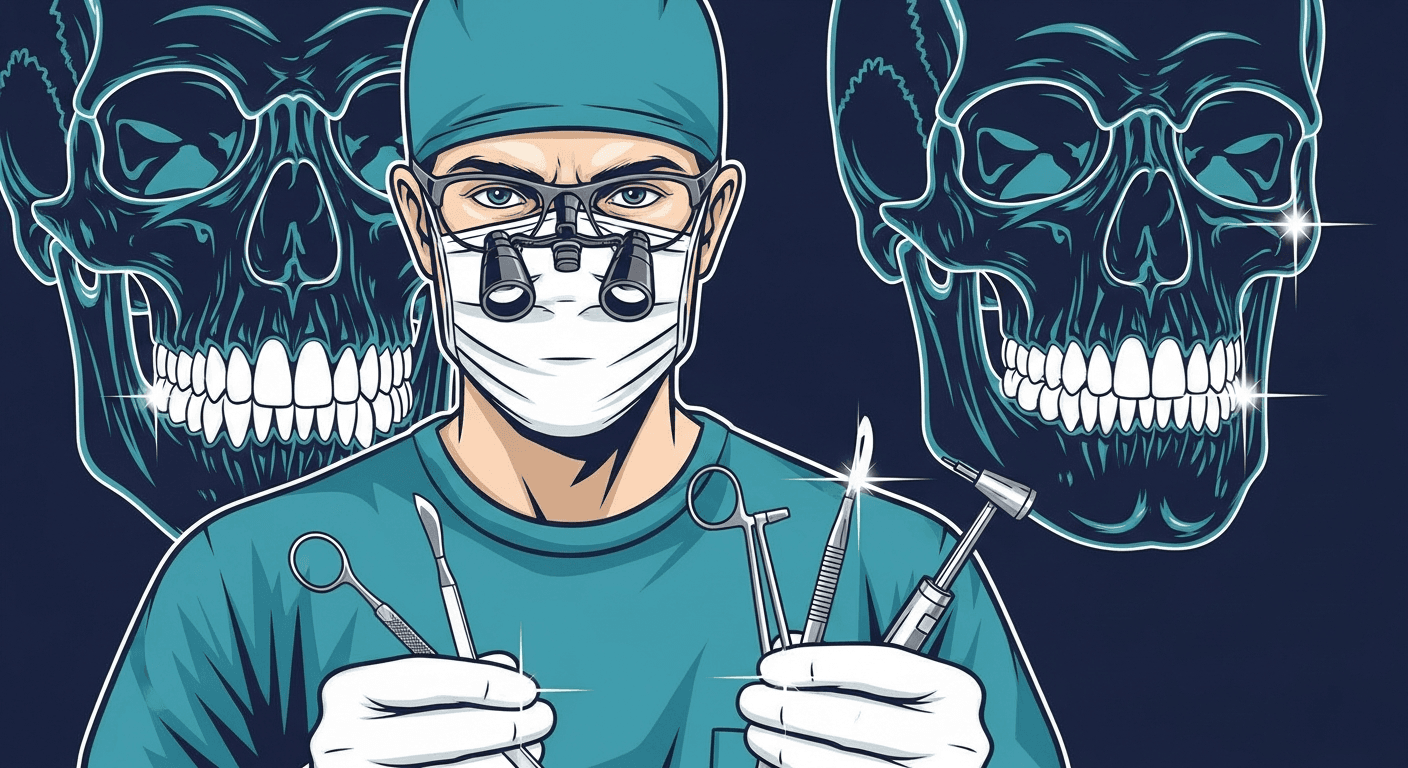
An oral and maxillofacial surgeon (OMS or OMFS) is a dental specialist trained in surgical procedures of the mouth, jaw, face, and neck — treating conditions that go beyond what general dentists handle. Dr. Alexander Antipov is a board-certified oral & maxillofacial surgeon in Roseville, CA, and this guide explains what oral surgeons do, how they are trained, and when to see one.
This article is for general education and is not a substitute for a personalized evaluation by a qualified oral surgeon.
What Is an Oral Surgeon?
An oral and maxillofacial surgeon (OMS or OMFS) is a dental specialist trained in surgical procedures of the mouth, jaw, face, and neck. Oral surgeons combine dental and surgical expertise to treat conditions that go beyond what general dentists handle.
The full title — “oral and maxillofacial surgeon” — reflects the scope: oral (mouth) and maxillofacial (the bones of the face, including the upper and lower jaws).
Training: How an Oral Surgeon Is Made
The path is one of the longest in healthcare:
| Stage | Details |
|---|---|
| 4 years undergraduate | Typically pre-med or biology. |
| 4 years dental school | DDS or DMD degree. |
| 4–6 years hospital-based residency | In oral and maxillofacial surgery — often combined with a medical degree (MD). |
Total training: 12–14 years after high school, often longer than most medical specialties. Residency training includes:
- — General surgery
- — Anesthesiology
- — Internal medicine
- — Plastic and reconstructive surgery
- — Otolaryngology (ENT)
- — Trauma surgery
- — Specific oral and maxillofacial procedures
This breadth of training is why oral surgeons can independently administer general anesthesia and IV sedation in their offices — a privilege very few dental specialists hold.
What Procedures Do Oral Surgeons Perform?
The scope is extensive. Common categories include:
- — Dental implants: single implants, implant bridges, full-arch implants (All-on-4, All-on-6), zygomatic implants for severe bone loss, and same-day implant placement.
- — Tooth extractions: routine extractions, surgical extractions of broken or impacted teeth, and wisdom-teeth removal (the most common single procedure they perform).
- — Bone and gum surgery: bone grafting for implant preparation, sinus lifts, ridge augmentation, and periodontal surgery (sometimes co-managed with periodontists).
- — Corrective jaw surgery (orthognathic surgery): jaw realignment for severe overbite, underbite, or open bite, plus TMJ surgery and facial reconstruction.
- — Trauma and pathology: facial fractures, repair of jaw injuries, removal of cysts and tumors of the jaws and face, and biopsies for suspicious lesions.
- — Sleep apnea surgery: maxillomandibular advancement and other airway-related procedures.
- — Cleft lip and palate repair: coordinated with plastic surgeons in pediatric cases.
Oral Surgeon vs. General Dentist
| Aspect | General Dentist | Oral Surgeon |
|---|---|---|
| Training after dental school | 0 years (some do 1-year residency) | 4–6 year hospital residency |
| Anesthesia privileges | Local + light sedation | Local, IV sedation, general anesthesia |
| Scope | Routine dentistry, simple extractions | Complex surgery, jaw surgery, implants |
| Hospital privileges | Rare | Common — admitting and OR access |
| Imaging | 2D X-rays, sometimes CBCT | 3D CBCT routine |
| Complex implant cases | Some | Specialty |
A general dentist refers to an oral surgeon when a case requires surgical complexity, sedation beyond mild oral anxiolytics, extensive bone work, or multiple specialists coordinated.
Oral Surgeon vs. Periodontist
Both place implants. The differences:
- — Oral surgeons: broader surgical training including hard tissue (bone, jaw), trauma, jaw surgery, and full-arch cases.
- — Periodontists: focus on gum disease, soft tissue grafting, and single-implant cases.
For full-arch implant cases, severe bone deficiency, or sedation requirements, oral surgeons are typically the better fit.
Oral Surgeon vs. Prosthodontist
These specialties often work together:
- — Oral surgeons: place the implants surgically.
- — Prosthodontists: design and fit the crowns, bridges, and arches that go on top.
Many practices include both specialties. In our office, we coordinate surgical placement with prosthetic design under one roof.
When Should You See an Oral Surgeon?
Definitely see one for:
- — Wisdom-teeth removal — especially impacted teeth.
- — Multiple or full-arch dental implants.
- — Bone grafting or sinus lifts.
- — Corrective jaw surgery for severe bite problems.
- — Facial trauma affecting the jaw or teeth.
- — Cysts or tumors of the jaw or face.
- — Sleep apnea that hasn’t responded to CPAP.
- — TMJ problems requiring surgical evaluation.
- — Anxiety or medical conditions requiring deep sedation for any dental work.
Consider one for:
- — Failed prior dental work.
- — Complex single-tooth implants — particularly front teeth or the aesthetic zone.
- — Second opinions on extractions or implant cases.
- — Chronic facial pain of unclear origin.
A general dentist is fine for: routine cleanings, fillings, crowns, simple tooth extractions, basic gum care, and routine dental checkups.
What to Expect at an Oral Surgery Consultation
A typical first visit takes about an hour:
- Medical and dental history — a full review including medications and conditions.
- Clinical exam — teeth, gums, jaw, bite, and facial structures.
- 3D imaging (CBCT scan) — a comprehensive view of bone, nerves, and sinuses.
- Discussion of findings in plain language.
- Treatment options with a realistic timeline and cost.
- Questions answered — bring a list.
You’ll leave with a clear understanding of what’s needed and what it costs. Most consultations are no-obligation.
Why Specialist Care Matters for Implants
Studies consistently show that dental implants placed by specialists (oral surgeons or periodontists) have better long-term success rates than those placed by general dentists, particularly in:
- — Complex cases (full arch, severe bone loss).
- — Aesthetic zone cases.
- — Patients with medical complications.
- — Sedation cases.
Specialists handle complications more confidently because they encounter them more frequently and have the surgical training to address them.
Anesthesia Options Oral Surgeons Provide
A major advantage of oral surgery offices is anesthesia flexibility:
- — Local anesthesia — the area is numbed and you’re awake.
- — Nitrous oxide (“laughing gas”) — light relaxation.
- — Oral sedation — a pill before the procedure; drowsy but conscious.
- — IV sedation — deeper sleep, conscious sedation, no memory.
- — General anesthesia — full sleep for complex cases.
Most general dentists can offer only the first three options. Oral surgeons routinely provide IV sedation and general anesthesia in-office, which is essential for complex or longer procedures.
How to Choose an Oral Surgeon
Look for:
- — Board certification by the American Board of Oral & Maxillofacial Surgery.
- — A hospital-based residency (vs. minimal post-grad training).
- — Years of experience — particularly with the specific procedure you need.
- — Use of modern technology — 3D imaging and computer-guided surgery.
- — In-office anesthesia capabilities.
- — Clear communication about diagnosis, options, and cost.
- — Reviews and patient outcomes.
- — Continuing education in current techniques.
Frequently Asked Questions
Are oral surgeons real doctors?
Yes — they hold a doctoral degree in dental surgery (DDS or DMD) and have completed 4–6 years of additional surgical residency. Some also hold an MD.
Do oral surgeons perform cosmetic surgery?
Some do — particularly facial cosmetic procedures related to maxillofacial structures (chin implants, facial fracture repair, certain rhinoplasty work). Most focus on functional surgery.
Can an oral surgeon replace my regular dentist?
No — oral surgeons specialize in surgical care. You still need a general dentist for routine cleanings, fillings, and ongoing dental care.
How much do oral surgeons cost?
Procedures cost more than general dentistry because of specialized training and equipment. However, complex cases done correctly the first time often cost less than fixing avoidable problems later.
Is sedation safe with an oral surgeon?
Yes — oral surgeons receive extensive anesthesia training during residency. In-office sedation by a board-certified oral surgeon has an excellent safety record.
Does insurance cover oral surgery?
Many procedures are covered by medical insurance (not dental) when functional issues are present — wisdom teeth, jaw surgery, trauma, certain extractions. Dental insurance typically covers extractions and partial implant costs.
Sources & References
Peer-reviewed and authoritative references supporting the information in this article.
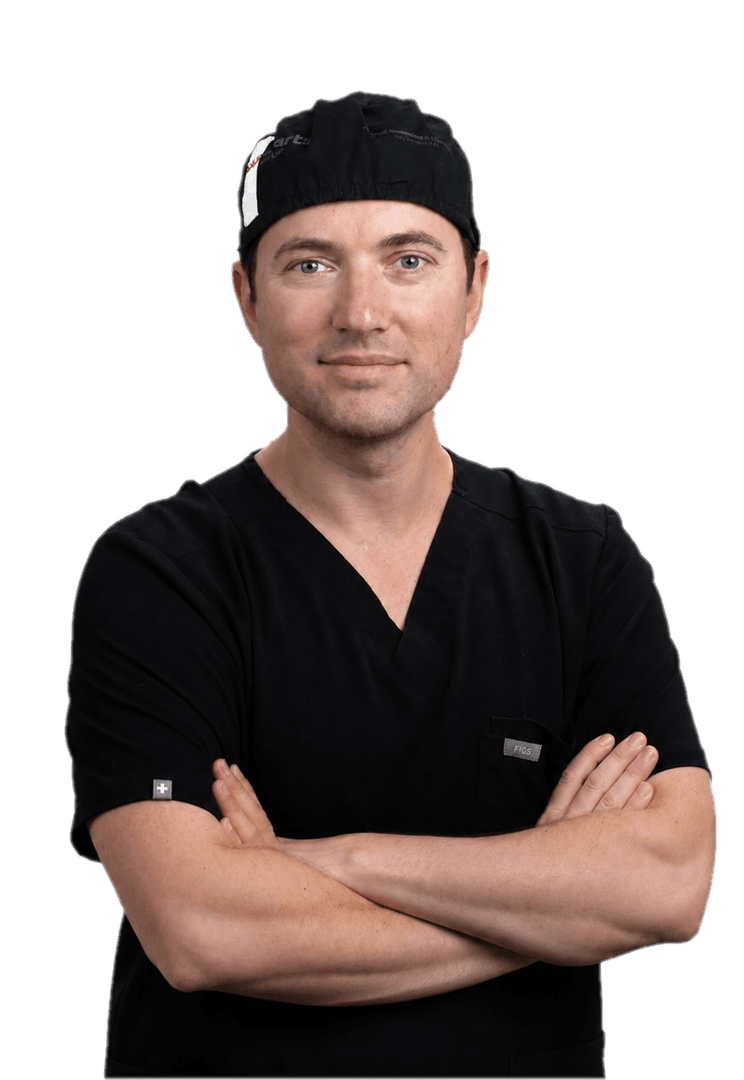
Dr. Alexander V. Antipov
Board-certified oral and maxillofacial surgeon specializing in dental implants, full-arch restoration, zygomatic implants, and corrective jaw surgery. Serving patients throughout Northern California and beyond.
Need a Complex Procedure Done Right?
Schedule a consultation with our oral surgery team — we’ll evaluate your case and explain every realistic option. A patient coordinator will follow up within 24 hours.