Dental Implant Aftercare: Tips for a Successful Recovery
Medically reviewed by Dr. Alexander V. Antipov, DDS— Board-Certified Oral & Maxillofacial Surgeon · Diplomate, American Board of Oral & Maxillofacial Surgery (ABOMS) · California Dental License #50724
Essential Recovery Information
Proper aftercare is crucial for successful dental implant healing and long-term success. Following these guidelines will help ensure optimal results and minimize complications.
Caring for a dental implant after surgery means following your post-operative instructions, keeping the area clean, eating soft foods at first, and attending your follow-up visits, explains Dr. Alexander V. Antipov, DDS, a board-certified oral & maxillofacial surgeon in Roseville, CA. Now that you've had your surgery, proper aftercare is essential for ensuring successful healing and long-term implant success — here's your comprehensive guide to post-operative care.
This article is for general education — consult a qualified oral surgeon for a personalized recommendation.
Recovery Timeline
Understanding what to expect during recovery helps reduce anxiety:
| Time Period | What to Expect |
|---|---|
| First 24 hours | Some bleeding, swelling, and discomfort are normal. Use ice packs and rest. |
| Days 2–3 | Swelling peaks around day 2–3. Bruising may appear. Pain should be manageable with medication. |
| Week 1 | Swelling subsides. Stitches removed or dissolve. You can return to most normal activities. |
| Weeks 2–4 | Soft tissue healing is mostly complete. Bone integration continues beneath the surface. |
| Months 3–6 | Osseointegration (bone bonding) is complete. Ready for crown placement and final restoration. |
9 Essential Aftercare Tips for Successful Recovery
Follow Post-Operative Instructions Precisely
Your surgeon will provide specific instructions tailored to your procedure. These may include:
- When and how to change gauze pads
- Medication schedules for pain and antibiotics
- Activity restrictions and rest recommendations
- Signs of complications to watch for
Don't hesitate to call our office if you have any questions or concerns about your instructions.
Maintain Good Oral Hygiene
While you need to be gentle around the surgical site, maintaining oral hygiene is crucial:
- • Avoid brushing directly on the implant site for the first few days
- • Continue brushing and flossing other teeth gently
- • Rinse with warm salt water (1/2 tsp salt in 8 oz water) after meals
- • Use prescribed antimicrobial mouthwash as directed
- • After initial healing, clean around the implant with extra soft brush
Avoid Smoking and Alcohol
Both smoking and alcohol can significantly impair healing:
- Smoking: Reduces blood flow, increases infection risk, and dramatically decreases implant success rates. Avoid for at least 2 weeks, ideally permanently
- Alcohol: Can interfere with medications and delay healing. Avoid for at least 48-72 hours after surgery
Be Mindful of Your Diet
Your diet plays a crucial role in healing. Follow this timeline:
First 24-48 Hours:
- • Cold liquids and soft foods only
- • Smoothies, yogurt, pudding, ice cream
- • Avoid hot foods/drinks, which can increase bleeding
- • Don't use straws (suction can dislodge blood clots)
Days 3-7:
- • Soft foods: mashed potatoes, scrambled eggs, soups
- • Cooked vegetables, pasta, soft fish
- • Protein shakes for nutrition
Weeks 2-4:
- • Gradually reintroduce regular foods
- • Chew on opposite side of implant
- • Avoid very hard, crunchy, or sticky foods
Avoid Pressure on the Implants
Protect your healing implants by:
- • Not touching or probing the implant site with your tongue or fingers
- • Avoiding sleeping on the side of the implant initially
- • Being careful when putting on shirts or pulling things over your head
- • Postponing contact sports or vigorous exercise for 2-4 weeks
Attend All Follow-Up Appointments
Follow-up visits are essential for:
- • Monitoring healing progress
- • Removing stitches if non-dissolvable
- • Detecting and addressing any issues early
- • Determining when to proceed with crown placement
- • Professional cleaning around the implant
Never skip these appointments, even if you feel everything is healing well.
Report Any Complications
Contact our office immediately if you experience:
- • Severe pain not controlled by medication
- • Excessive bleeding beyond the first 24 hours
- • Signs of infection (fever, pus, increasing swelling after 3 days)
- • Numbness or tingling that persists beyond a few hours
- • Implant feeling loose or mobile
- • Allergic reaction to medications
Early intervention can prevent minor issues from becoming serious problems.
Wear a Nightguard if Recommended
If you grind or clench your teeth (bruxism), wearing a custom nightguard protects your implant from excessive forces that could compromise its stability. This is especially important during the healing phase and after the crown is placed.
Maintain Regular Dental Check-Ups
Long-term success requires ongoing care:
- • Schedule cleanings every 6 months (or as recommended)
- • Have implants professionally cleaned and monitored
- • Update X-rays periodically to check bone levels
- • Address any issues with natural teeth that could affect the implant
With proper care, dental implants can last a lifetime!
Contact Our Office
Galleria Oral & Maxillofacial Surgery
911 Reserve Dr Suite 100, Roseville, CA 95678
Phone: 916-783-2110
Our team is here to support you throughout your recovery. Don't hesitate to reach out with questions or concerns at any time.
Frequently Asked Questions
How long does it take to recover from dental implant surgery?
Initial soft-tissue healing takes about one to four weeks: swelling peaks around days 2–3, subsides within the first week, and most soft-tissue healing is complete by weeks 2–4. Osseointegration (the bone bonding to the implant) typically continues for about 3–6 months before the final crown is placed.
What can I eat after dental implant surgery?
Stick to soft foods at first and avoid hard, crunchy, or sticky foods that could disturb the surgical site. As healing progresses, you can gradually return to your normal diet. Following your surgeon's diet guidance protects the implant during the early healing window.
How do I keep the implant area clean while it heals?
Follow your surgeon's oral hygiene instructions closely, clean gently around the site, and use any rinses that are prescribed. Good hygiene before and after surgery reduces infection risk and supports healing.
Is some swelling and discomfort normal after implant surgery?
Yes. Some bleeding, swelling, and discomfort are normal in the first 24 hours, and swelling often peaks around days 2–3. Ice packs, rest, and taking medication as directed help. Contact your office if symptoms worsen instead of improving.
When can I return to normal activities after implant surgery?
Many patients return to most normal activities within about a week, as swelling subsides and stitches are removed or dissolve. Your surgeon will advise when it is safe to resume more strenuous activity based on your recovery.
What should I avoid during dental implant recovery?
Avoid smoking, which significantly increases complication rates, and steer clear of hard or sticky foods and anything that could disturb the surgical site early on. Report any unusual symptoms promptly so minor issues can be addressed before they become major problems.
Sources & References
Peer-reviewed and authoritative references supporting the information in this article.
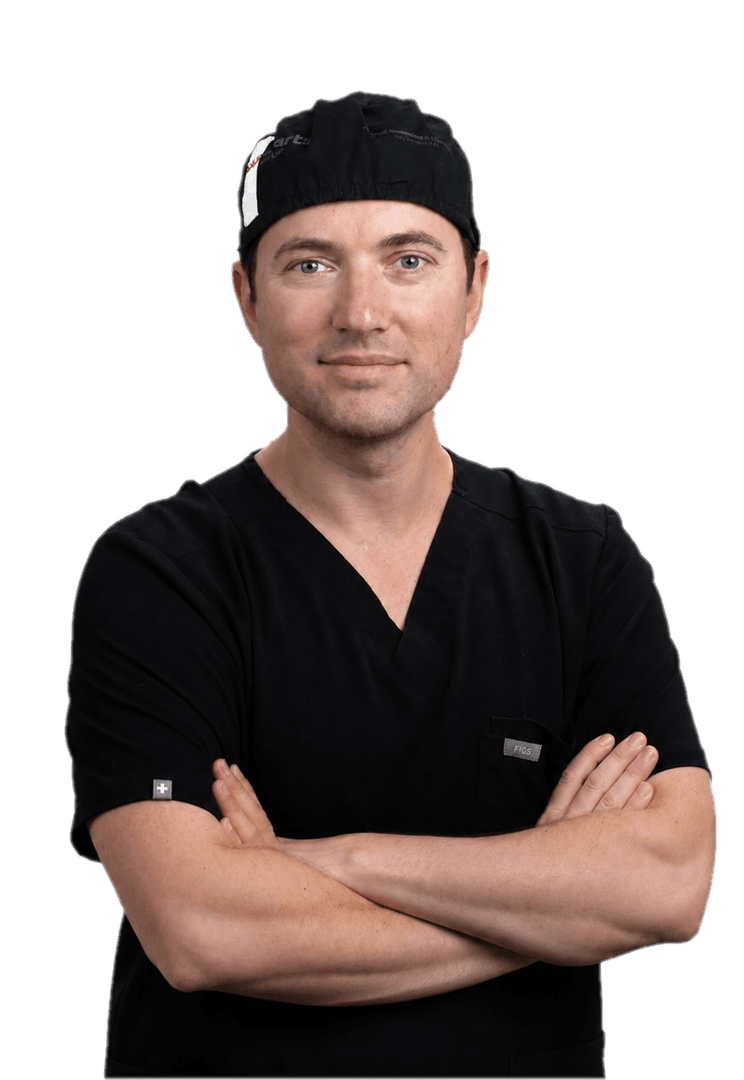
Dr. Alexander V. Antipov
Board-certified oral and maxillofacial surgeon committed to providing exceptional patient care and ensuring successful outcomes for every dental implant procedure.
Ready to Transform Your Smile?
Schedule a consultation to learn more about dental implants and what to expect