Dental Implant Complications: Understanding Risks and How to Manage Them
Medically reviewed by Dr. Alexander V. Antipov, DDS— Board-Certified Oral & Maxillofacial Surgeon · Diplomate, American Board of Oral & Maxillofacial Surgery (ABOMS) · California Dental License #50724
Dental implants have an excellent success rate of over 95%, but like any surgical procedure they carry some risks — including infection, implant failure, and nerve or sinus complications, explains Dr. Alexander V. Antipov, DDS, a board-certified oral & maxillofacial surgeon in Roseville, CA. Understanding these potential complications helps you make informed decisions, recognize warning signs early, and take the steps that keep risk low.
This article is for general education — consult a qualified oral surgeon for a personalized recommendation.
Important Information
Dental implants have an excellent success rate of over 95%, but like any surgical procedure, they carry some risks. Understanding potential complications helps you make informed decisions and recognize warning signs early.
9 Possible Dental Implant Complications
| Complication | Prevention / Management |
|---|---|
| Infection | Excellent oral hygiene, following post-op instructions, and prescribed antibiotics. |
| Implant failure | Can be removed and replaced after healing, often with bone grafting. |
| Nerve damage | Advanced 3D imaging and careful surgical planning minimize the risk. |
| Sinus complications | Sinus lift procedures and CT-guided planning ensure safe placement. |
| Gum recession | Soft tissue grafting can restore gum coverage and improve aesthetics. |
| Bite alignment issues | Careful planning, proper crown fabrication, and follow-up adjustments. |
| Allergic reactions | Alternative materials such as zirconia implants for metal sensitivities. |
| Systemic health complications | Discuss all conditions and medications; many can be managed for treatment. |
| Psychological considerations | Open communication with your dental team and support throughout care. |
1. Infection
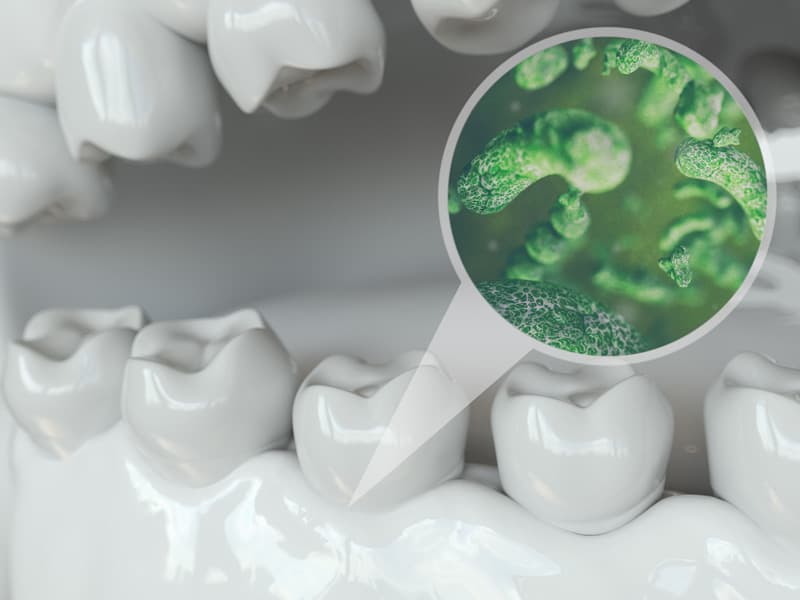
Infections can occur at the implant site if bacteria enter during or after surgery. Signs include:
- • Persistent pain or swelling
- • Fever or chills
- • Pus or unusual discharge
- • Red or inflamed gums
Prevention: Maintain excellent oral hygiene, follow post-operative instructions carefully, and take prescribed antibiotics as directed.
2. Implant Failure
While rare, implants can fail to integrate with the bone (osseointegration failure). This can happen due to:
- • Insufficient bone density
- • Smoking or tobacco use
- • Uncontrolled diabetes
- • Autoimmune disorders
- • Poor oral hygiene
Management: If an implant fails, it can typically be removed and replaced after the site heals, often with bone grafting to improve success.
3. Nerve Damage
In rare cases, an implant may be placed too close to a nerve, causing:
- • Numbness or tingling in lips, tongue, or chin
- • Pain or altered sensation
- • Temporary or permanent nerve injury
Prevention: Advanced 3D imaging and careful surgical planning minimize this risk. An experienced surgeon uses precise techniques to avoid nerve pathways.
4. Sinus Complications
When implants are placed in the upper jaw, there's a risk of them protruding into the sinus cavity, potentially causing:
- • Sinus infections
- • Sinus pain or pressure
- • Chronic sinusitis
Prevention: Sinus lift procedures can be performed to create adequate space before implant placement. Proper planning with CT scans ensures safe placement.
5. Gum Recession
The gum tissue around an implant may recede over time, potentially exposing the metal implant post. This can be caused by:
- • Poor oral hygiene
- • Periodontal disease
- • Insufficient attached gingiva
- • Trauma or excessive force
Management: Soft tissue grafting can restore gum coverage and improve aesthetics.
6. Bite Alignment Issues
If an implant crown isn't properly aligned with your bite, it can cause:
- • Jaw pain or TMJ problems
- • Difficulty chewing
- • Excessive wear on opposing teeth
- • Loosening of the crown or implant
Prevention: Careful planning and proper crown fabrication ensure correct bite alignment. Regular follow-ups allow for adjustments if needed.
7. Allergic Reactions
While extremely rare, some patients may have allergic reactions to titanium or other implant materials. Symptoms can include:
- • Chronic inflammation
- • Rash or hives
- • Implant failure
Solution: Alternative materials like zirconia implants are available for patients with metal sensitivities.
8. Systemic Health Complications
Certain medical conditions can affect implant success:
- • Uncontrolled diabetes
- • Osteoporosis or bone disorders
- • Autoimmune diseases
- • Cancer or radiation therapy
Important: Discuss all medical conditions and medications with your surgeon during consultation. Many conditions can be managed to allow successful implant treatment.
9. Psychological Considerations
Some patients experience anxiety or stress related to:
- • Fear of complications
- • Concerns about appearance during healing
- • Financial stress
- • Recovery time expectations
Support: Open communication with your dental team is essential. We're here to address your concerns and provide emotional support throughout your journey.
Minimizing Your Risk
While complications can occur, most are preventable or manageable with proper care:
Choose an Experienced Surgeon
Board-certified oral surgeons have extensive training in implant placement and complication management.
Follow Pre-Op Instructions
Proper preparation, including any necessary medical clearances, sets the stage for success.
Maintain Excellent Oral Hygiene
Good oral care before and after surgery reduces infection risk and promotes healing.
Avoid Smoking
Smoking significantly increases complication rates. Quitting before surgery greatly improves outcomes.
Attend All Follow-Up Appointments
Regular monitoring allows early detection and treatment of any issues.
Communicate Openly
Report any unusual symptoms immediately. Early intervention can prevent minor issues from becoming major problems.
The Bottom Line
Dental implants remain one of the most successful and predictable procedures in dentistry, with success rates exceeding 95%. While it's important to be aware of potential complications, understanding risks shouldn't deter you from pursuing this life-changing treatment. With an experienced surgeon, proper planning, and diligent aftercare, most patients enjoy successful outcomes and improved quality of life for decades to come.
Frequently Asked Questions
How common are dental implant complications?
Dental implants have an excellent success rate of over 95%. Like any surgical procedure they carry some risk, but most complications are preventable or manageable with proper planning, an experienced surgeon, and diligent aftercare.
What are the signs of an infected dental implant?
Warning signs of infection include persistent pain or swelling, fever or chills, pus or unusual discharge, and red or inflamed gums. Maintaining excellent oral hygiene, following post-operative instructions, and taking prescribed antibiotics as directed help prevent infection.
Can a failed dental implant be replaced?
Yes. While implant failure is rare, a failed implant can typically be removed and replaced after the site heals, often with bone grafting to improve the chance of success the second time.
How can I reduce the risk of dental implant complications?
Choose an experienced, board-certified surgeon, follow pre-operative instructions, maintain excellent oral hygiene, avoid smoking, attend all follow-up appointments, and communicate openly about any unusual symptoms. These steps address the factors most within your control.
Are there implant options for people with metal allergies?
Yes. Allergic reactions to titanium are extremely rare, but for patients with metal sensitivities, alternative materials such as zirconia implants are available.
What should I do if I notice a problem after implant surgery?
Report any unusual symptoms to your dental team immediately. Early intervention can prevent minor issues from becoming major problems, and regular monitoring allows any complication to be detected and treated promptly.
Sources & References
Peer-reviewed and authoritative references supporting the information in this article.
Dr. Alexander V. Antipov
Board-certified oral and maxillofacial surgeon with extensive experience in dental implant placement. Located in Roseville, CA, serving the Greater Sacramento area.
Have Questions About Dental Implants?
Schedule a consultation to discuss your specific situation and learn about minimizing risks