Bone Grafting for Dental Implants Explained: Procedure Guide
Medically reviewed by Dr. Alexander V. Antipov, DDS— Board-Certified Oral & Maxillofacial Surgeon · Diplomate, American Board of Oral & Maxillofacial Surgery (ABOMS) · California Dental License #50724
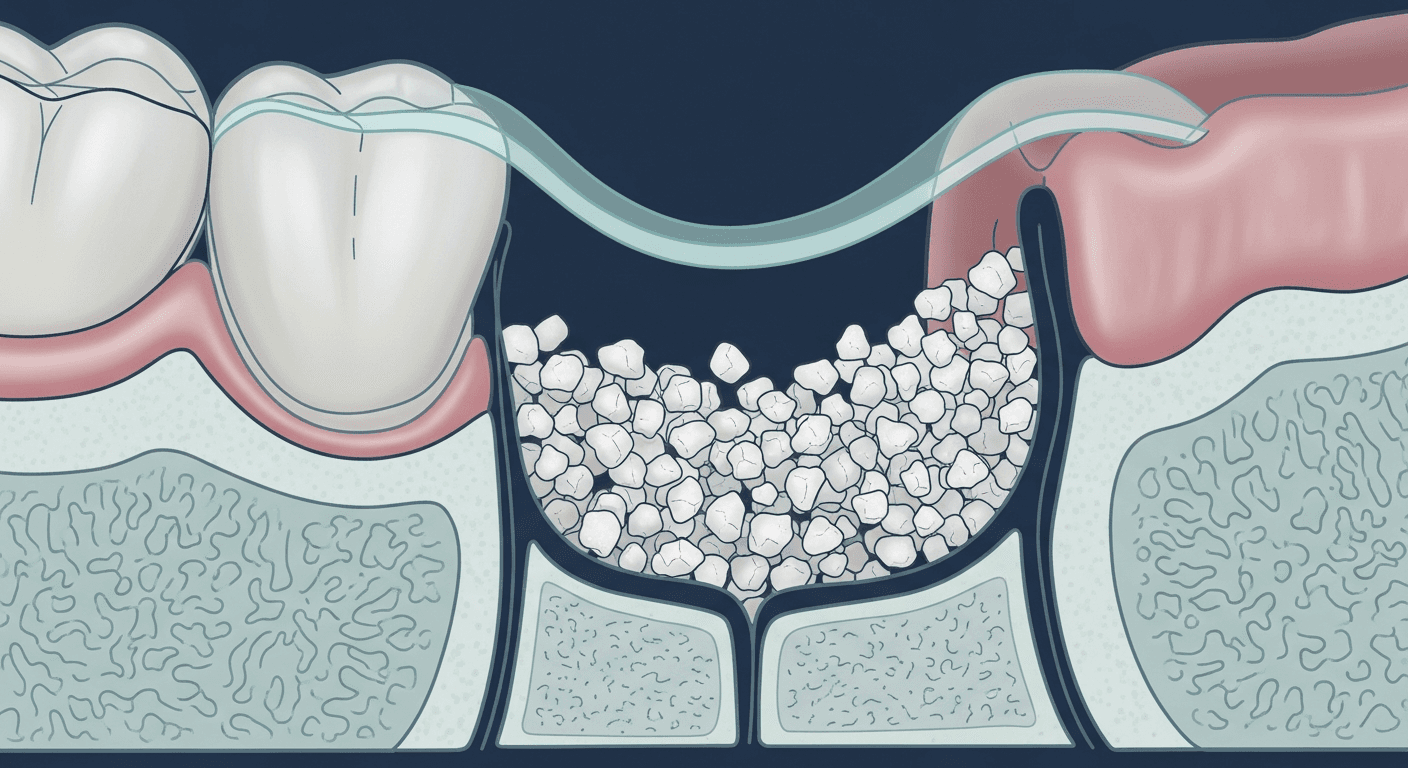
Bone grafting rebuilds jawbone volume so a dental implant has a stable foundation, and it is often recommended when bone has deteriorated after tooth loss, trauma, or periodontal disease, explains Dr. Alexander Antipov, a board-certified oral & maxillofacial surgeon in Roseville, CA. Dental implants provide an effective solution for replacing missing teeth, but successful placement depends heavily on the jawbone’s density and quality — which is where grafting offers the support needed for optimal implant integration.
This article is for general education — consult a qualified oral surgeon for a personalized recommendation.
What Is Bone Grafting?
Bone grafting is a surgical procedure designed to augment or reconstruct bone structure in areas where bone density is lacking. This deficiency can arise from tooth loss, trauma, or periodontal disease. The grafting process involves placing bone material in the jawbone to stimulate new bone growth, providing a stable foundation for dental implants.
Types of Bone Grafts
Several types of bone grafts are used in dental procedures:
- — Autografts:Bone is harvested from another part of the patient’s body (such as the hip or chin). This method often offers strong integration since the body recognizes its own bone.
- — Allografts: Bone is sourced from a donor and processed for safety and compatibility. This is commonly used due to convenience and effectiveness.
- — Xenografts: Bone material is obtained from another species (often bovine) and treated to ensure it is safe for human use.
- — Synthetic grafts: Man-made materials designed to mimic bone, often chosen for availability and reduced risk of disease transmission.
| Graft Type | Source | Notable Point |
|---|---|---|
| Autograft | Patient’s own body (e.g., hip or chin) | Often offers strong integration since the body recognizes its own bone. |
| Allograft | Donor bone, processed for safety | Commonly used for convenience and effectiveness. |
| Xenograft | Another species (often bovine), treated | Treated to ensure it is safe for human use. |
| Synthetic | Man-made materials that mimic bone | Chosen for availability and reduced risk of disease transmission. |
Why Is Bone Grafting Necessary for Dental Implants?
When a tooth is lost, the supporting bone can begin to deteriorate, which may complicate implant placement. Bone grafting supports implant treatment by:
- — Restoring bone volume: Helps rebuild the jawbone for secure implant anchorage.
- — Improving aesthetic outcomes: Adequate bone structure supports better implant positioning and final smile appearance.
- — Enhancing functional stability: A stronger foundation supports implant longevity and chewing function.
The Bone Grafting Procedure
Pre-procedure consultation.Before bone grafting, you’ll consult with your oral surgeon. Imaging such as X-rays or a CT/CBCT scan may be used to evaluate bone volume and determine the most appropriate grafting method.
Anesthesia and preparation. The procedure typically begins with local anesthesia or sedation to ensure comfort. The area is cleaned and prepared for surgery.
The grafting process follows these steps:
- Incision. The surgeon makes an incision in the gum tissue to access the bone.
- Placement of bone material. The chosen grafting material is placed in the deficient area.
- Securing the graft. The graft may be stabilized with membranes and/or small fixation components depending on the case.
- Closure. The gum tissue is stitched back into place to support healing.
Healing and Integration
After surgery, swelling or discomfort is common and is usually manageable with prescribed or recommended medication. The bone graft typically requires several months to heal, during which the graft material gradually integrates with the existing bone. Regular follow-up appointments help monitor healing and confirm when you’re ready for implant placement.
Several factors affect how well a graft heals:
- — Overall health: Certain conditions and habits (such as smoking) can slow healing.
- — Graft type/material: Different materials may integrate at different rates.
- — Post-operative care: Hygiene, diet, and follow-up visits all influence outcomes.
Risks and Complications
Like any surgical procedure, bone grafting carries potential risks. While complications are uncommon, they can include infection, graft failure, nerve irritation, or delayed healing. Your surgeon will explain how risks apply to your case and how they’re managed.
Alternatives to Bone Grafting
Depending on your anatomy and goals, alternatives may include:
- — Mini dental implants: Smaller implants that may require less bone in some situations.
- — Bone regeneration techniques: Approaches that stimulate bone growth without traditional grafting (case-dependent).
- — Zygomatic implants: Anchored in the cheekbone for severe upper-jaw bone loss.
Modern planning tools — such as 3D imaging and guided surgery — can improve precision, support safer placement, and enhance predictability. Your surgeon can recommend the most predictable path based on imaging and a full evaluation.
Frequently Asked Questions
How long does the bone grafting procedure take?
The surgical procedure typically takes about one to two hours, depending on the complexity of the case. The overall timeline for recovery may vary based on individual healing rates.
Is bone grafting painful?
Most patients report mild discomfort after the procedure, which can be managed with pain medication. Your surgeon will provide specific aftercare guidelines to minimize discomfort.
How long does it take for the bone graft to heal?
Healing time usually ranges from three to six months, depending on the type of graft and the individual’s health. Regular follow-ups will help track your progress.
Can I get dental implants immediately after bone grafting?
In most cases, dental implants are placed after the graft has healed. However, some advanced techniques allow for simultaneous placement, which your surgeon can discuss with you.
What happens if my bone graft fails?
If a bone graft fails, your surgeon will assess the situation and may recommend additional grafting or alternative treatments based on your needs.
Will insurance cover bone grafting for dental implants?
Coverage for bone grafting varies by insurance plan. It is advisable to check with your insurance provider to understand your benefits and coverage options.
Sources & References
Peer-reviewed and authoritative references supporting the information in this article.

Dr. Alexander V. Antipov
Board-certified oral and maxillofacial surgeon specializing in dental implants, full-arch restoration, zygomatic implants, and corrective jaw surgery. Serving patients throughout Northern California and beyond.
Find Out If You Need a Bone Graft
An accurate recommendation is only possible after an in-person exam and a 3D CT scan. The consultation is complimentary. A patient coordinator will call back within 24 hours and explain what to prepare.