Sedation Options for Dental Implant Surgery: IV & Oral Explained
Medically reviewed by Dr. Alexander V. Antipov, DDS— Board-Certified Oral & Maxillofacial Surgeon · Diplomate, American Board of Oral & Maxillofacial Surgery (ABOMS) · California Dental License #50724
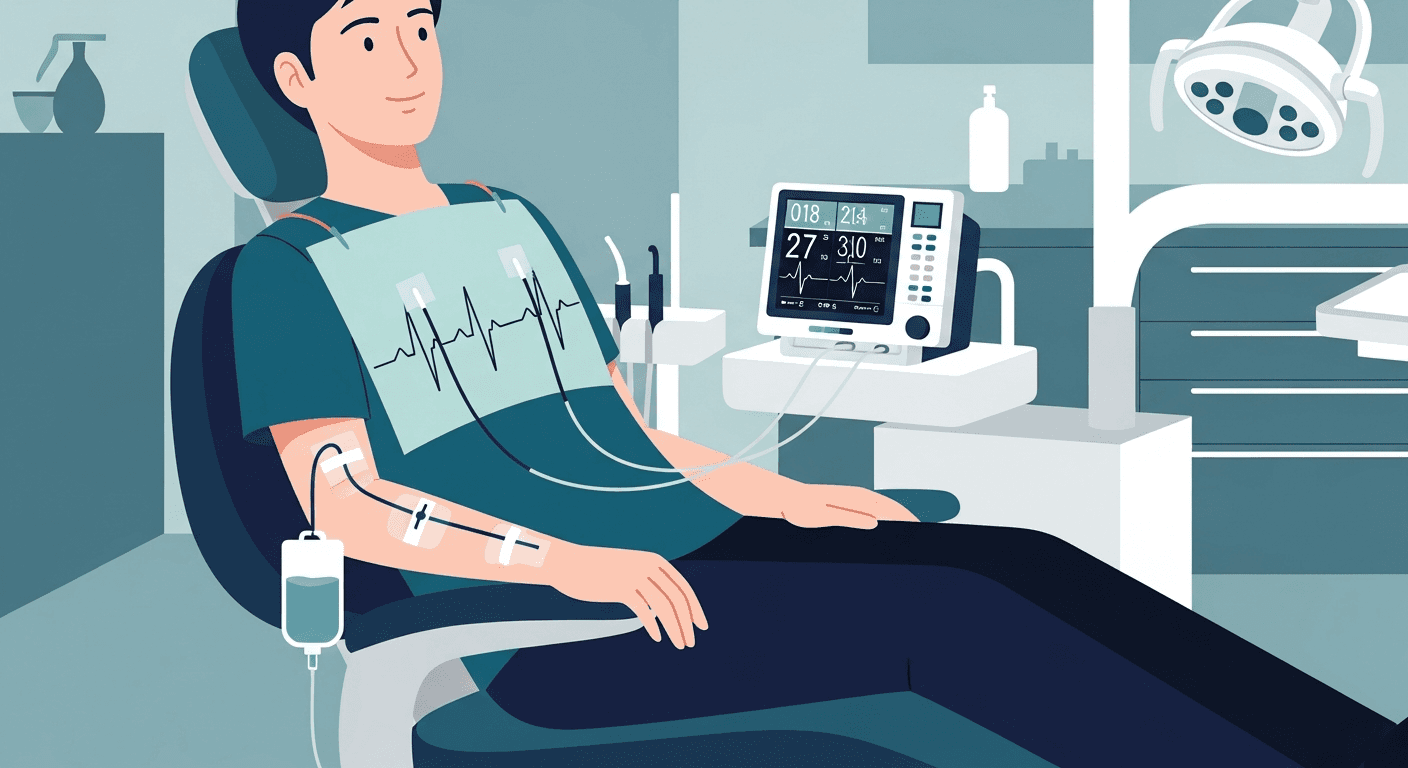
Dental implant surgery can be performed under local anesthesia, oral sedation, IV sedation, or general anesthesia — and the right choice depends on your anxiety level, medical history, and the complexity of the procedure, explains Dr. Alexander Antipov, a board-certified oral & maxillofacial surgeon in Roseville, CA. Sedation improves patient comfort, but it does not replace surgical precision, so understanding your options helps you walk into surgery confident and relaxed.
This article is for general education — consult a qualified oral surgeon for a recommendation tailored to your case.
Local Anesthesia
Local anesthesia numbs the surgical area so you feel no pain during the procedure. Its key characteristics are:
- — The patient remains fully conscious.
- — There are no systemic sedation effects.
- — Recovery time is short.
It is appropriate for simple procedures and patients with low anxiety.
| Option | Consciousness | Best for |
|---|---|---|
| Local anesthesia | Fully conscious | Simple cases, low anxiety |
| Oral sedation | Relaxed, awake | Mild anxiety (variable effect) |
| IV sedation | Reduced awareness, adjustable | Moderate anxiety, longer procedures |
| General anesthesia | Fully unconscious | Extensive surgery, severe anxiety, medical necessity |
Oral Sedation
Oral sedatives reduce anxiety but do not induce deep sedation. Their limitations include:
- — Variable absorption.
- — Unpredictable depth.
- — Limited control once the medication is administered.
Oral sedation is often combined with local anesthesia for added comfort.
IV Sedation
IV sedation provides controlled, deeper relaxation by delivering medication directly into the bloodstream. Its advantages are:
- — Rapid onset.
- — Adjustable depth.
- — Reduced procedural awareness.
IV sedation requires advanced monitoring and trained personnel.
General Anesthesia
General anesthesia is used in select cases, including:
- — Extensive surgery.
- — Severe anxiety.
- — Medical necessity.
It carries higher systemic risk and requires strict protocols and monitoring.
Sedation Is Not Pain Control
It is important to understand the distinction: sedation reduces awareness, while local anesthesia controls pain. Confusing the two leads to unrealistic expectations. Even patients under deep sedation still receive local anesthetic so the surgical site remains completely numb.
Choosing Your Comfort Level
The right sedation depends on several factors:
- — Your anxiety level.
- — The complexity of the procedure.
- — Your medical history.
- — Your personal preference.
At Dr. Antipov’s practice, we discuss all options and recommend the best approach for your situation. We offer multiple sedation options to ensure you are comfortable throughout your procedure.
Frequently Asked Questions
What is the difference between sedation and pain control?
They are not the same thing. Sedation reduces awareness and anxiety, while local anesthesia controls pain by numbing the surgical area. Even under deep sedation, local anesthetic is still used so the surgical site stays completely numb. Confusing the two leads to unrealistic expectations.
Will I be awake during implant surgery with local anesthesia?
Yes. With local anesthesia alone you remain fully conscious. The surgical area is numbed, you feel no pain, and there are no systemic sedation effects, which means a short recovery time. It is appropriate for simple procedures and patients with low anxiety.
How is IV sedation different from oral sedation?
Oral sedation reduces anxiety but has variable absorption, unpredictable depth, and limited control once the pill is taken. IV sedation is delivered directly into the bloodstream for rapid onset, adjustable depth, and reduced procedural awareness. IV sedation requires advanced monitoring and trained personnel.
When is general anesthesia recommended for implant surgery?
General anesthesia is reserved for select cases such as extensive surgery, severe anxiety, or medical necessity. It carries higher systemic risk and requires strict protocols and monitoring, so it is not used routinely for straightforward implant procedures.
How do I choose the right sedation option?
The right choice depends on your anxiety level, the complexity of the procedure, your medical history, and personal preference. At your consultation we review all of these factors and recommend the safest, most comfortable approach for your situation.
Is IV sedation safe for implant surgery?
Yes, when performed correctly. IV sedation delivers medication directly into the bloodstream for rapid onset and adjustable depth, and it requires advanced monitoring and trained personnel to keep the procedure safe.
Sources & References
Peer-reviewed and authoritative references supporting the information in this article.

Dr. Alexander V. Antipov
Board-certified oral and maxillofacial surgeon specializing in dental implants, full-arch restoration, zygomatic implants, and corrective jaw surgery. Serving patients throughout Northern California and beyond.
Comfortable, Personalized Implant Care
The best sedation plan starts with a conversation about your health, comfort, and goals. The consultation is complimentary. A patient coordinator will call back within 24 hours and explain what to prepare.