Who Is a Candidate for Dental Implants? (And Who Is Not)
Medically reviewed by Dr. Alexander V. Antipov, DDS — Board-Certified Oral & Maxillofacial Surgeon · Diplomate, American Board of Oral & Maxillofacial Surgery (ABOMS) · California Dental License #50724
Yes — the large majority of adults who are missing teeth are candidates for dental implants, explains Dr. Alexander Antipov, a board-certified oral and maxillofacial surgeon in Roseville, CA. A few factors can make someone a poor candidate, but most of these are problems to be corrected first rather than permanent barriers. This guide explains what surgeons actually look for when deciding whether implants are right for you.
This article is for general education — consult a qualified oral surgeon for a personalized recommendation.
What Makes a Strong Candidate
A good candidate for dental implants generally has:
- — One or more missing teeth, or failing teeth that need replacing
- — Enough jaw bone, or a workable plan to rebuild it
- — Healthy gums free of active infection
- — Well-controlled general health
- — A commitment to hygiene and regular maintenance
| Factor | Strong candidate | Needs attention first |
|---|---|---|
| Jaw bone | Enough bone, or a plan to rebuild it | Severe bone loss with no plan to address it |
| Gums | Healthy, free of active infection | Active, untreated gum disease |
| General health | Well-controlled conditions | Poorly controlled diabetes or unstable conditions |
| Habits | Commitment to hygiene and maintenance | Heavy smoking or untreated grinding |
What Makes Someone a Poor Candidate
Factors that lower the odds of success — most of which can be improved before treatment — include:
- — Active, untreated gum disease
- — Heavy smoking through the healing period
- — Poorly controlled diabetes or other unstable health conditions
- — Severe bone loss with no plan to address it
- — Untreated teeth grinding that overloads the implants
Most Barriers Can Be Fixed First
The important distinction is between a permanent barrier and a problem to solve first. Gum disease can be treated, bone can be rebuilt, blood sugar can be controlled, and smokers can quit around surgery. For example, severe bone loss is often solved — see your options with severe bone loss.
Specific health questions are common, too. Our guides cover implants for diabetics, implants for smokers, and implants with osteoporosis or autoimmune conditions.
How Candidacy Is Confirmed
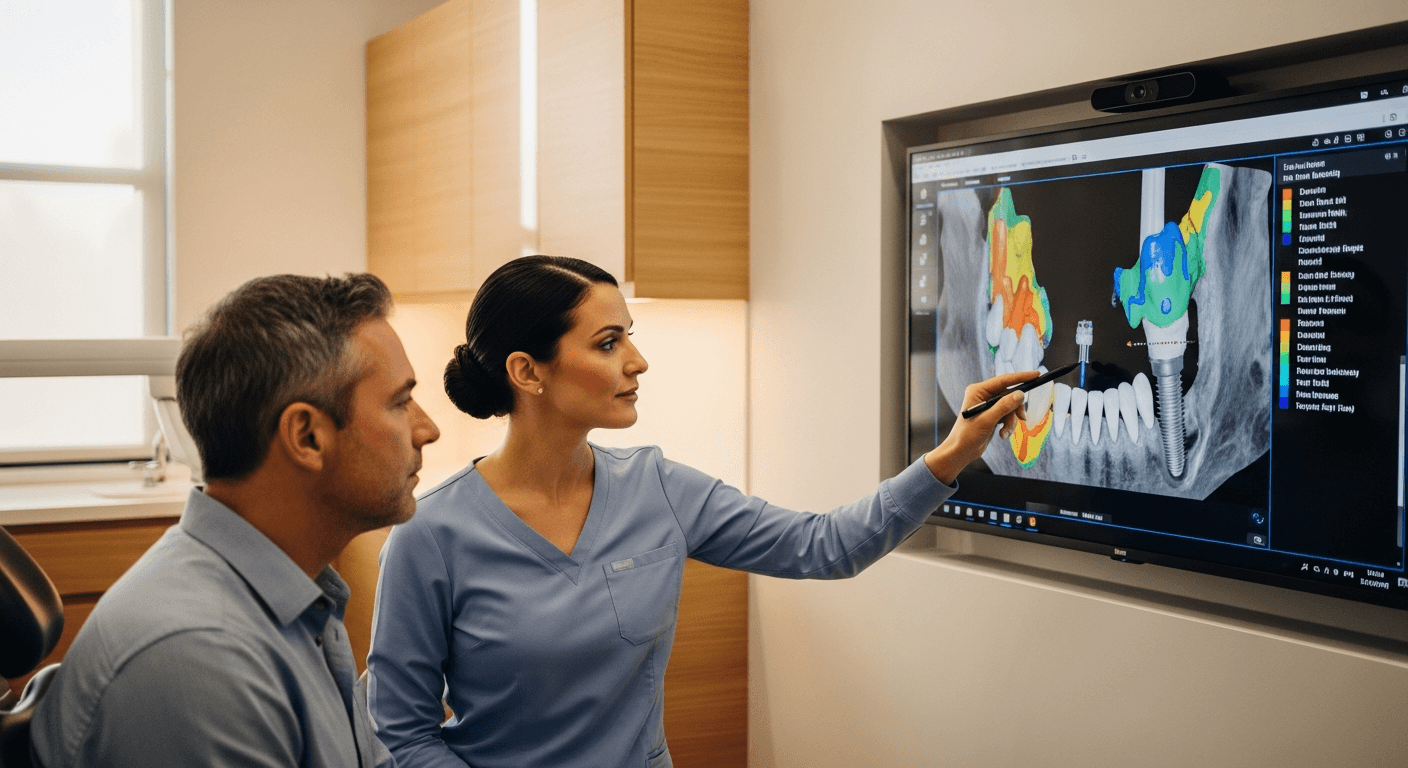
There is no substitute for a proper evaluation. A 3D cone-beam scan shows bone volume, a gum and bite exam checks the foundation, and a health review flags anything that needs managing first. Together they turn a general yes into a specific, safe plan.
Frequently Asked Questions
Is anyone permanently unable to get implants?
True permanent barriers are rare. Most issues — gum disease, bone loss, uncontrolled health conditions — can be treated first so implants become possible.
Do I need a certain amount of bone?
You need enough bone to anchor the implant, or a plan to rebuild it with grafting. A 3D scan determines what your case needs.
Does grinding my teeth disqualify me?
Not on its own. Grinding is managed — often with a night guard and bite adjustments — so it does not overload the implants.
How do I find out if I am a candidate?
A consultation with a 3D scan and health review is the only reliable way to confirm candidacy and outline the right plan for you.
Does smoking mean I cannot get implants?
Not necessarily. Heavy smoking through the healing period lowers success, but it is a problem to address around surgery rather than an automatic, permanent barrier.
Can gum disease be fixed before implants?
Yes. Active, untreated gum disease lowers the odds of success, but it can be treated first so the foundation is healthy before implants are placed.
Wondering if you are a candidate?
Dr. Antipov confirms candidacy with a 3D scan and honest health review, then builds a plan around your needs. Book a free dental implant consultation in Roseville. Restrictions apply.
Book a Free Consultation