Can You Get Dental Implants With Severe Bone Loss?
Medically reviewed by Dr. Alexander V. Antipov, DDS — Board-Certified Oral & Maxillofacial Surgeon · Diplomate, American Board of Oral & Maxillofacial Surgery (ABOMS) · California Dental License #50724
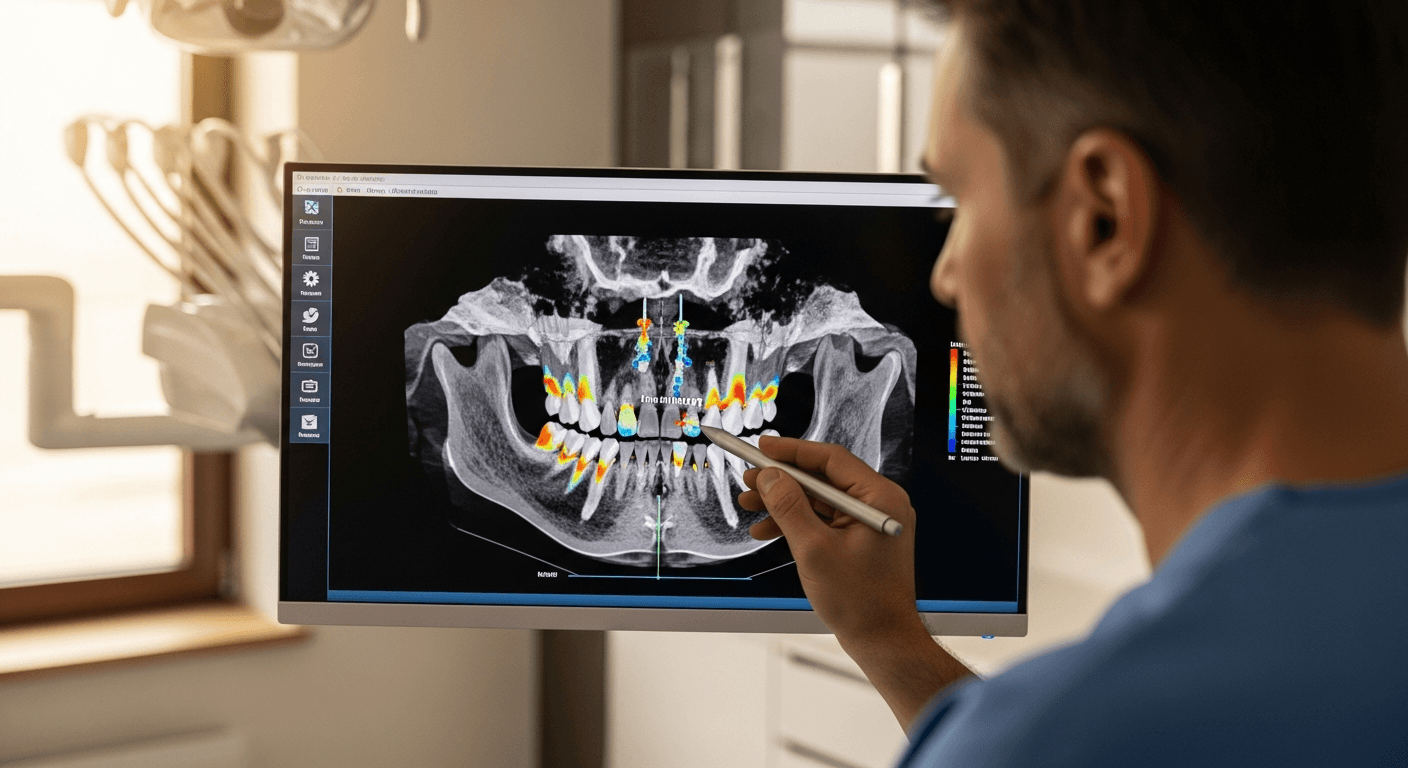
Yes — most people with severe jaw bone loss can still get dental implants, because bone can be rebuilt or worked around, explains Dr. Alexander Antipov, a board-certified oral and maxillofacial surgeon in Roseville, CA. Many patients are told they cannot have implants because there is not enough bone to hold them, but in reality severe bone loss changes the plan rather than ending it. Modern oral surgery offers several proven ways to rebuild or work around missing bone, and very few people are truly out of options once their anatomy is studied in detail.
This article is for general education — consult a qualified oral surgeon for a personalized recommendation.
Why Bone Disappears in the First Place
Jaw bone needs the stimulation of tooth roots to stay full and dense. Once teeth are lost, the bone that supported them begins to shrink — a process that continues for years and speeds up under an ill-fitting denture.
By the time many patients ask about implants, they have lost significant width and height. The good news is that bone can be rebuilt, and where rebuilding is impractical, implants can often be anchored elsewhere.
Rebuilding Bone: Grafting and Sinus Lifts
When the gap is moderate, the most direct path is to restore the missing bone so a standard implant has something solid to hold onto. Common approaches include:
- — Bone grafting to rebuild lost width and height before placement
- — A sinus lift to regain height for upper back-jaw implants
- — Ridge preservation at the time of extraction to limit future loss
| Option | Best for | Rough timeline |
|---|---|---|
| Bone grafting | Moderate loss where volume can be rebuilt | Several months of healing before placement |
| Sinus lift | Upper back-jaw height loss | Several months of healing before placement |
| Short / angled implants | Cases with enough usable bone to avoid grafting | Often faster; no separate graft healing |
| Zygomatic implants | Upper jaw with almost no usable bone | Often allows fixed teeth without months of grafting |
Working Around Bone Loss Without Grafting
Not every case needs a graft. Careful 3D planning sometimes finds enough usable bone for shorter or angled implants that avoid the areas that have thinned. For a deeper comparison of rebuilding versus working around bone loss, see zygomatic implants vs bone grafting.
- — Short implants placed where bone remains adequate
- — Angled implants that engage denser bone away from thin areas
- — All-on-4 designs that use tilted posterior implants for stability
When the Upper Jaw Has Almost No Bone
For the most advanced upper-jaw bone loss, zygomatic implants anchor into the dense cheekbone instead of the jaw, often allowing fixed teeth without months of grafting. Learn how this works in our guide to zygomatic dental implants.
How the Right Option Is Chosen
The decision comes down to how much bone remains, where it is, and your overall health. A cone-beam CT scan maps bone volume in three dimensions, which is the only reliable way to choose between grafting, shorter implants, and zygomatic anchoring. To understand how rebuilding itself works, read our overview of bone grafting for dental implants. And if another office has already turned you away, see why a specialist second opinion often says yes.
Frequently Asked Questions
I was told I have no bone for implants — is that final?
Usually not. A second opinion with a 3D scan often reveals options such as grafting, angled implants, or zygomatic implants that a general assessment may not have considered.
Does rebuilding bone hurt?
Grafting is done under sedation or anesthesia and most patients describe the recovery as similar to an extraction, managed well with routine medication.
How long does treatment take with bone loss?
Cases needing grafting often take several months to allow healing before implants are placed, while zygomatic and same-day approaches can be much faster.
Is bone loss treatment more expensive?
Grafting and advanced techniques add cost, but they are what make a lasting result possible. An honest plan explains exactly what your case needs and why.
Can I avoid a bone graft altogether?
Sometimes. Careful 3D planning occasionally finds enough usable bone for shorter or angled implants that engage denser bone and avoid the areas that have thinned, which can skip grafting in select cases.
What are zygomatic implants?
For the most advanced upper-jaw bone loss, zygomatic implants anchor into the dense cheekbone instead of the jaw, often allowing fixed teeth without months of grafting.
How is the right option chosen for me?
It comes down to how much bone remains, where it is, and your overall health. A cone-beam CT scan maps bone volume in three dimensions and is the only reliable way to choose between grafting, shorter implants, and zygomatic anchoring.
Been told there is not enough bone?
Dr. Antipov plans complex bone-loss cases from a detailed 3D scan and explains every realistic option. Book a free dental implant consultation at our Roseville practice. Restrictions apply.
Book a Free Consultation