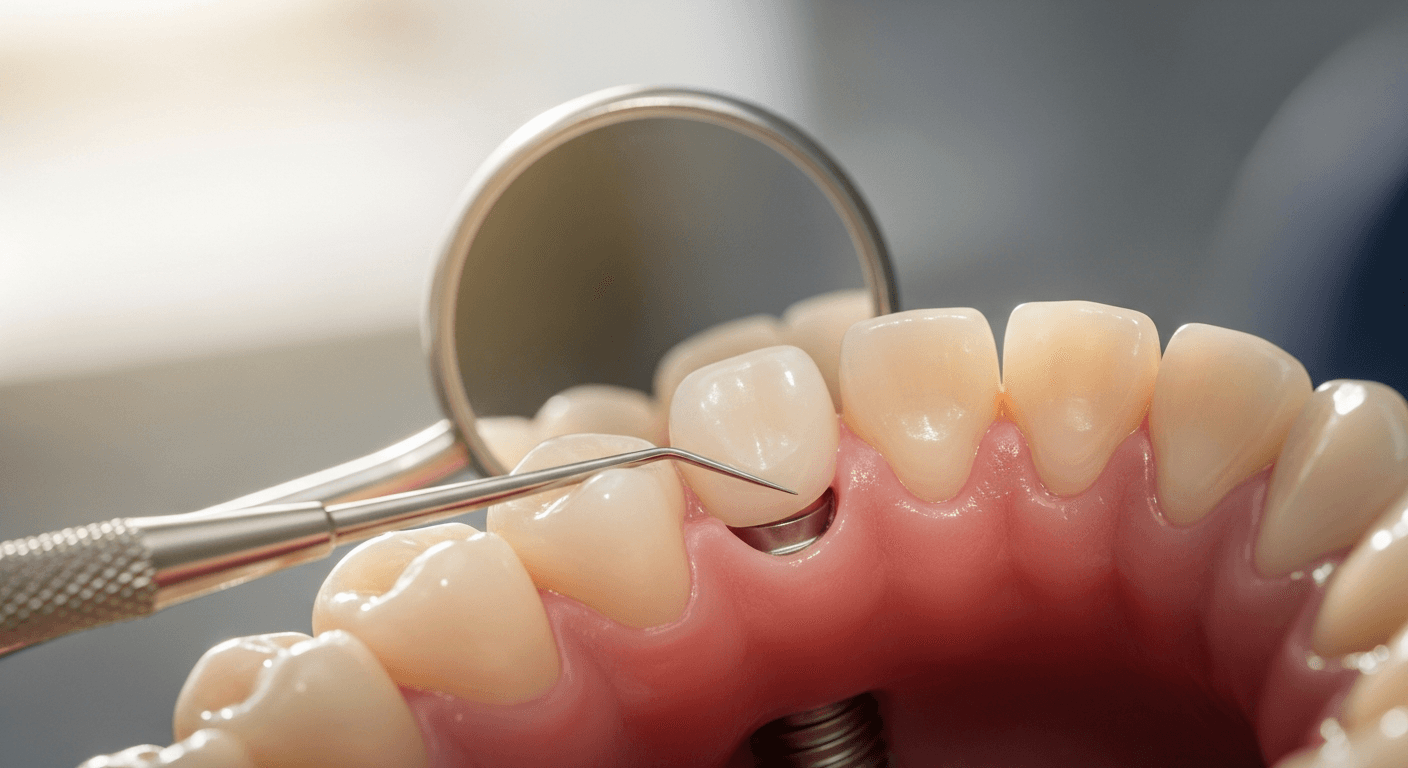
Titanium vs Zirconia Dental Implants: Which Is Better?
Medically reviewed by Dr. Alexander V. Antipov, DDS — Board-Certified Oral & Maxillofacial Surgeon · Diplomate, American Board of Oral & Maxillofacial Surgery (ABOMS) · California Dental License #50724
For most cases titanium remains the better-proven choice, while zirconia suits patients who want a metal-free option — both can succeed when planned well, explains Dr. Alexander Antipov, a board-certified oral and maxillofacial surgeon in Roseville, CA. When patients ask which implant material is best, they are usually weighing proven titanium against newer metal-free zirconia. Both can work well, but they are not equal in every situation. This guide compares them honestly so you understand the trade-offs — and why titanium remains the standard for most cases.
This article is for general education — consult a qualified oral surgeon for a personalized recommendation.
What Each Material Is
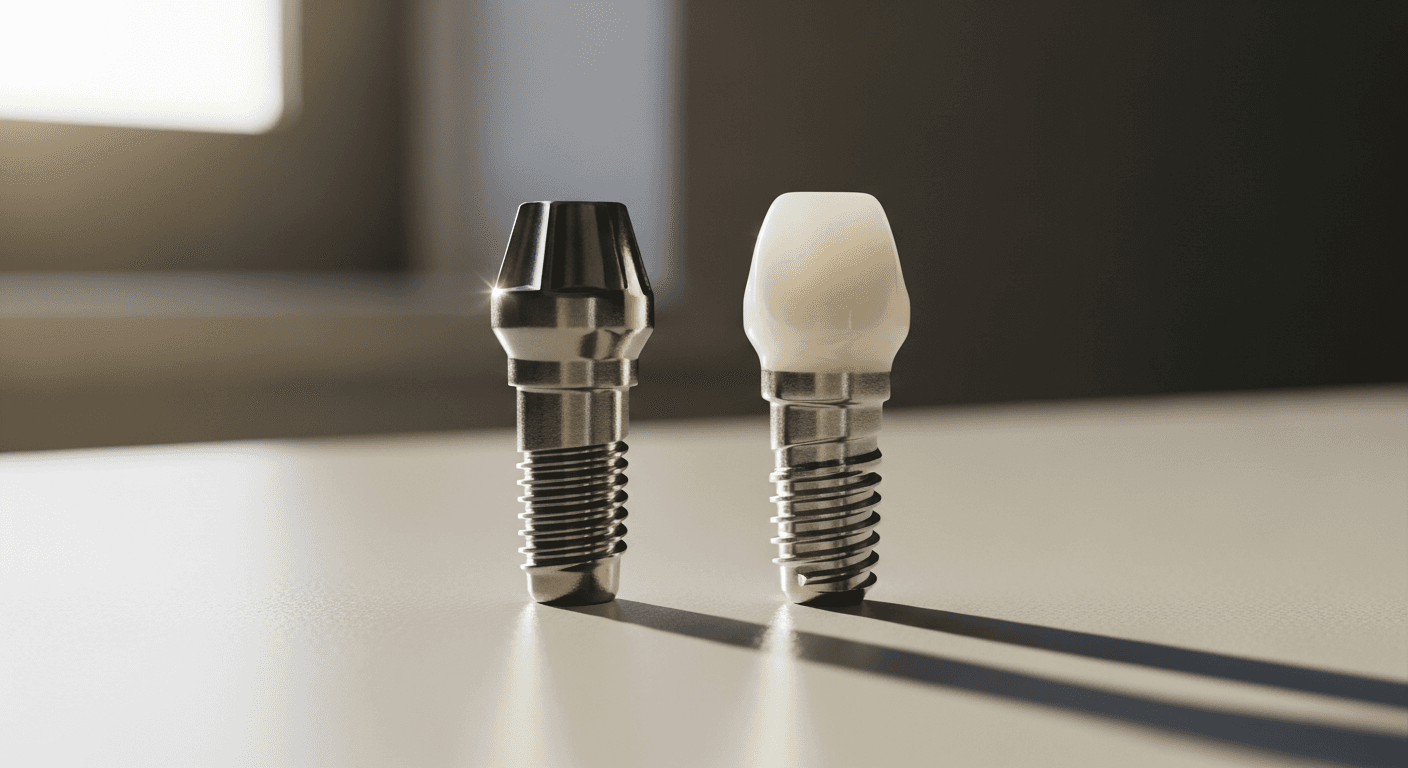
Titanium implants have been used for more than half a century and have the longest track record of any implant material. They are strong, lightweight, and integrate reliably with bone.
Zirconia implants are made from a tooth-colored ceramic. They contain no metal, which attracts patients who prefer metal-free treatment or who have very thin gums where a titanium shadow could show.
Head-to-Head Comparison
| Factor | Titanium | Zirconia |
|---|---|---|
| Track record | 50+ years of data | Newer, less long-term data |
| Strength | Very high; resists fracture | Strong but more brittle |
| Design options | One- and two-piece, angled | Mostly one-piece |
| Aesthetics | Can show through thin gums | Tooth-colored, no shadow |
| Cost | Generally lower | Generally higher |
When Each Makes Sense
The right choice depends on your anatomy and priorities:
- — Titanium: most cases, complex angulation, and full-arch work
- — Zirconia: metal-free preference, thin gums, or sensitivity concerns
- — Either: straightforward single-tooth sites with healthy bone
The Material Is Not the Whole Story
Whichever fixture is used, the restoration on top matters too. Full-arch patients often choose a zirconia prosthesis for durability regardless of the implant metal — see our guide to zirconia arches. Above all, planning and placement decide long-term success more than the choice of metal.
Frequently Asked Questions
Are zirconia implants as strong as titanium?
Zirconia is strong but more brittle than titanium, which is why titanium is still preferred for complex and full-arch cases. For many single-tooth sites, zirconia performs well.
Do titanium implants cause allergies?
True titanium allergy is very rare. Patients who are concerned, or who prefer metal-free care, may consider zirconia.
Which lasts longer?
Titanium has the longest proven track record. Zirconia is promising but has less long-term data. Good care and planning matter most for longevity.
Is zirconia more expensive?
Generally yes. Zirconia implants typically cost more than titanium, which is one factor to weigh alongside your clinical needs.
When is titanium the better choice?
Titanium suits most cases, especially complex angulation and full-arch work, thanks to one- and two-piece angled designs and the longest track record of any implant material.
When does zirconia make sense?
Zirconia appeals to patients who prefer metal-free treatment, have very thin gums where a titanium shadow could show, or have sensitivity concerns. It is tooth-colored and casts no shadow.
Not sure which implant material fits?
Dr. Antipov recommends the right material for your anatomy and goals — never a one-size-fits-all answer. Book a free dental implant consultation in Roseville. Restrictions apply.
Book a Free Consultation