Replacing a Failed Dental Implant: What to Expect & Process
Medically reviewed by Dr. Alexander V. Antipov, DDS — Board-Certified Oral & Maxillofacial Surgeon · Diplomate, American Board of Oral & Maxillofacial Surgery (ABOMS) · California Dental License #50724

Yes — a failed dental implant can almost always be replaced once the site has healed, explains Dr. Alexander Antipov, a board-certified oral and maxillofacial surgeon in Roseville, CA. In the large majority of cases the site can be repaired and a new implant placed successfully. The deciding factor is whether the reason the first implant failed is found and corrected before a replacement goes in.
This article is for general education — consult a qualified oral surgeon for a personalized recommendation.
Start by Finding the Cause
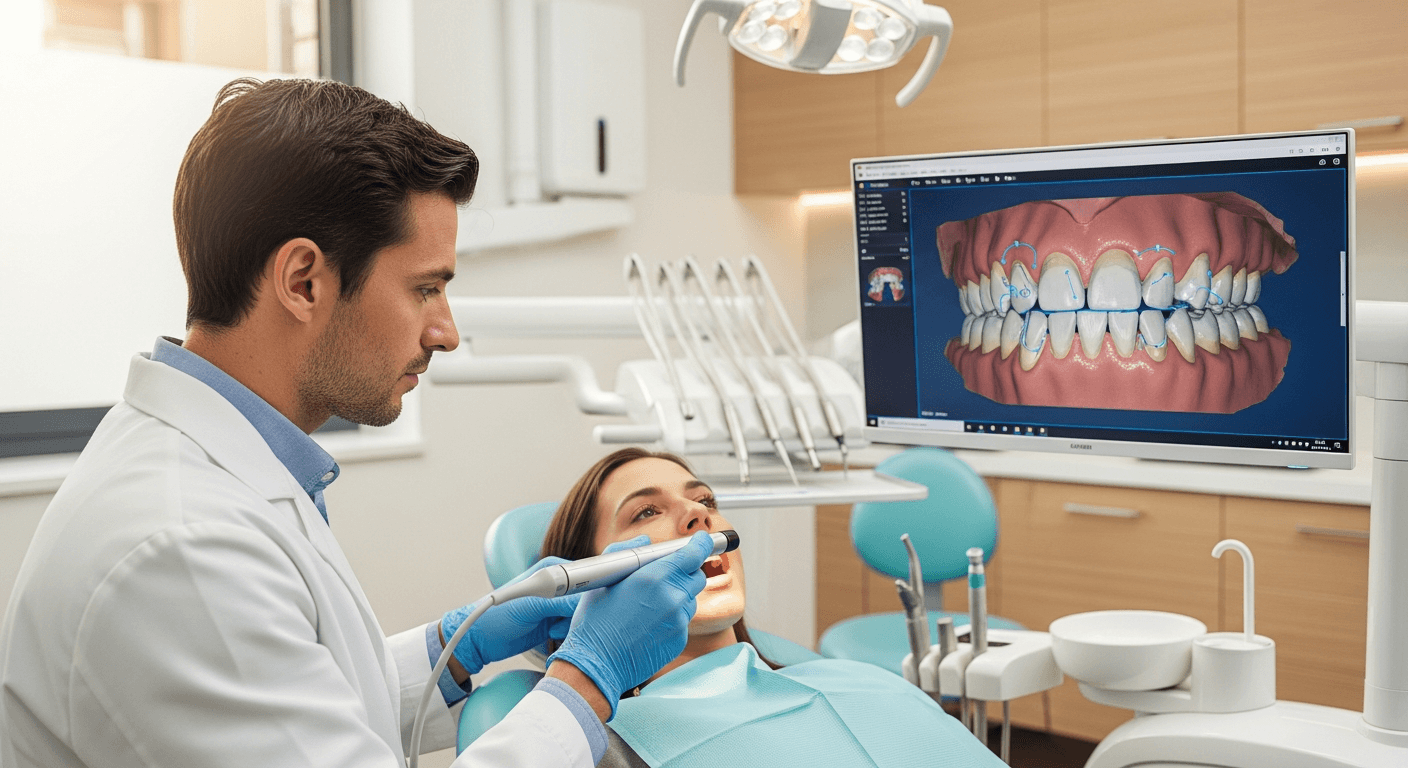
Placing a new implant without understanding what went wrong simply sets the stage for the same problem again. A proper revision begins with a full diagnostic review, not a quick re-do.
The most common reasons a first implant fails include:
- — Infection in the gum and bone around the implant
- — Poor bone quality or not enough bone volume
- — An implant placed at the wrong position or angle
- — Excess bite force or a poorly designed crown
| Stage | What Happens |
|---|---|
| 1. Diagnose the cause | A full diagnostic review to find why the first implant failed |
| 2. Remove the implant | The failed implant is lifted out while protecting the surrounding bone |
| 3. Repair the site | Grafting and infection treatment where needed, then a healing period |
| 4. Place the new implant | A corrected plan — a different size, angle, or redesigned restoration |
Removing the Failed Implant
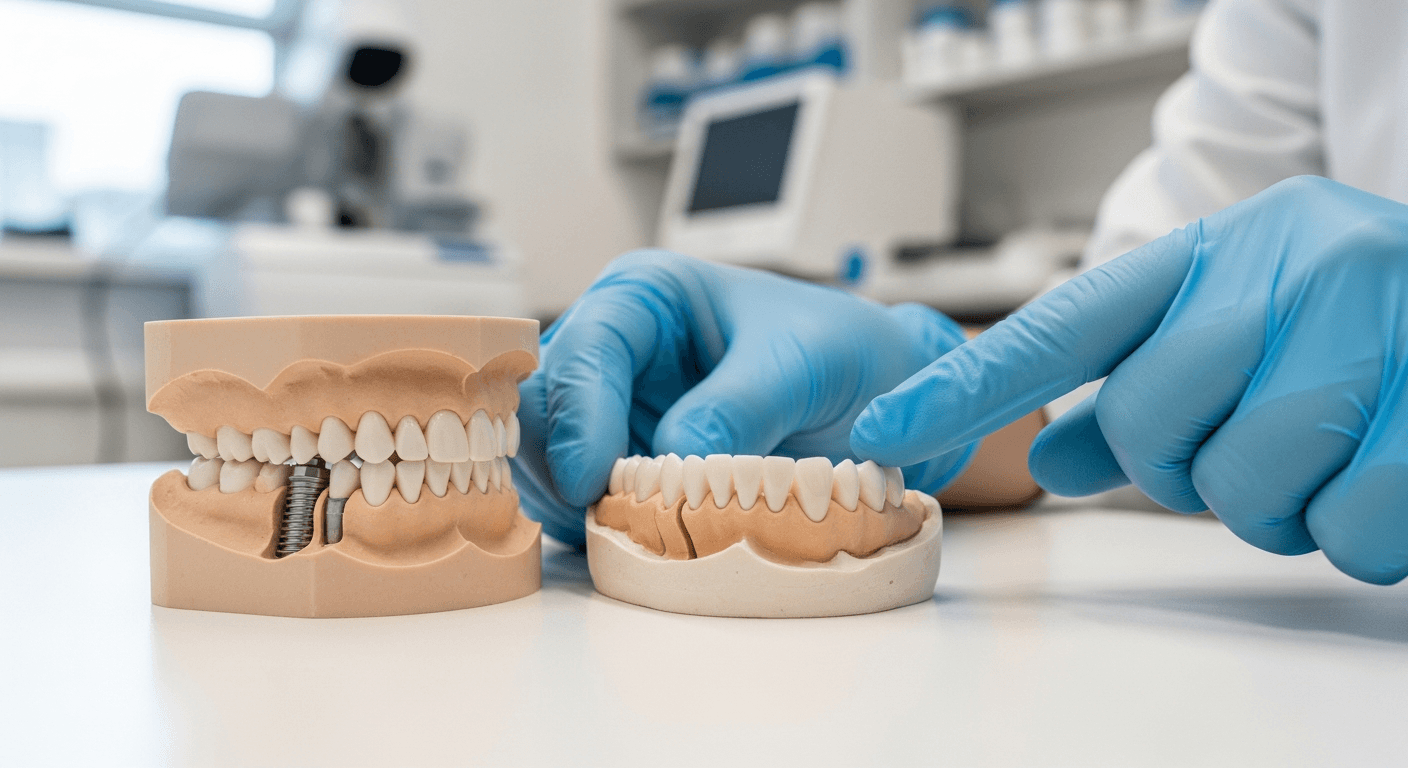
Removal is usually simpler than patients expect, especially when the implant is already loose. Modern instruments lift the implant out while protecting the bone that surrounds it.
Once it is out, the bone that remains is assessed carefully — its volume and quality decide what happens next. For a fuller picture of why implants fail in the first place, see our guide to dental implant complications.
Repairing the Site First
Many failed implants leave behind a bone defect that has to be rebuilt before a replacement can succeed. Depending on the case, treatment may include:
- — A bone graft to restore lost width and height
- — Treatment of any active infection
- — A healing period so the graft can mature
Placing the New Implant
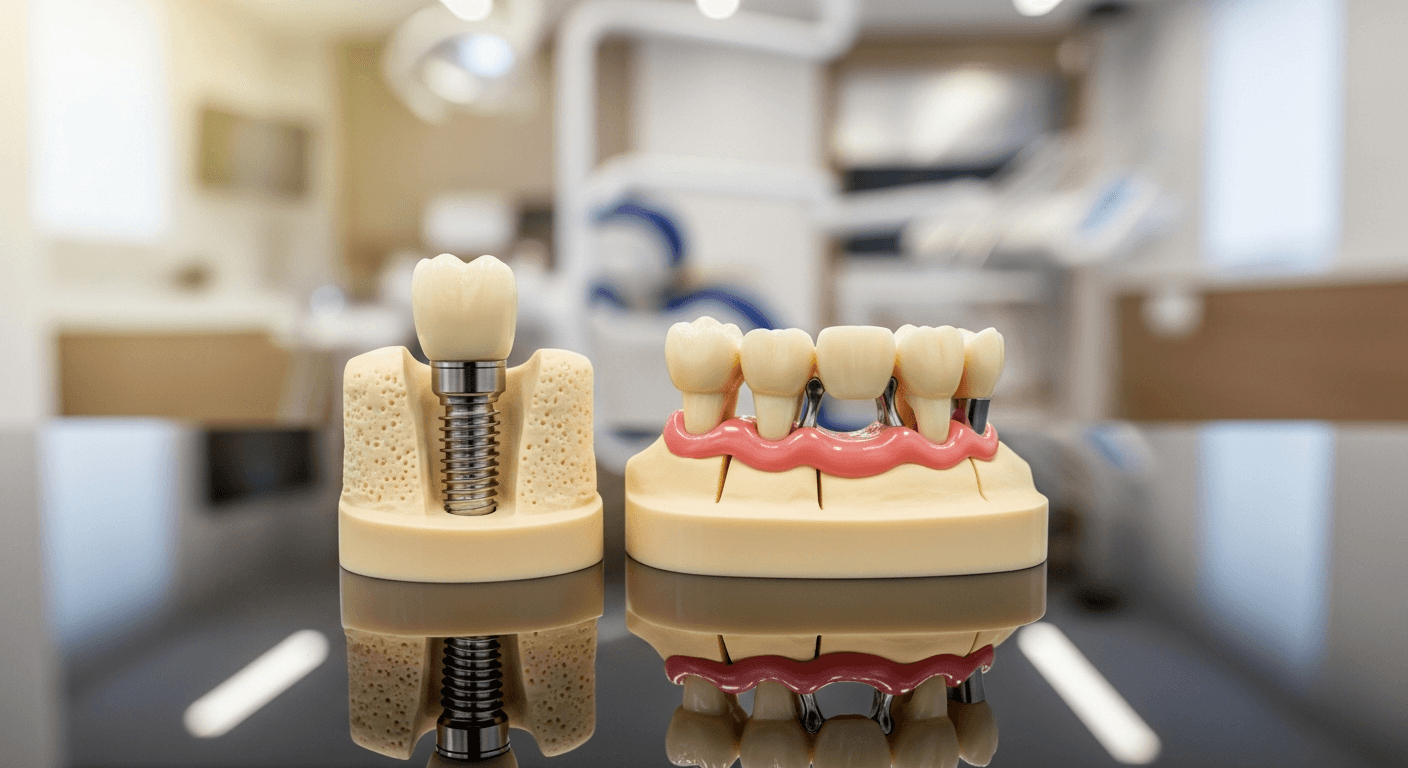
Once the site is healthy and stable, a new implant is placed using a corrected plan — often a different size, a better angle, or a redesigned restoration that balances the bite.
Small changes in position and load make the difference between another failure and a result that lasts for decades. Learn how rebuilding works in our overview of bone grafting for dental implants.
Success Rates for Replacement Implants
When the original cause is corrected and the site is properly prepared, replacement implants have high success rates. The American Academy of Implant Dentistry notes that well-planned revision treatment restores function for most patients — the key is treating the cause, not just the symptom.
Frequently Asked Questions
Can a failed implant always be replaced?
Most sites can be restored, but timing depends on bone health. Some patients receive a new implant fairly soon, while others need grafting and a healing period first.
Why is finding the cause so important?
Placing a new implant without understanding what went wrong simply sets the stage for the same problem again. A proper revision begins with a full diagnostic review, not a quick re-do.
Is removing a failed implant difficult?
Removal is usually simpler than patients expect, especially when the implant is already loose. Modern instruments lift it out while protecting the surrounding bone.
Do I always need a bone graft first?
Not always. Many failed implants leave a bone defect that must be rebuilt first, but sites with healthy bone can sometimes receive a new implant sooner.
What makes a replacement implant last?
A corrected plan. Once the site is healthy, a new implant is placed using a different size, a better angle, or a redesigned restoration that balances the bite.
How long does the whole process take?
A straightforward replacement may take a few months. Cases that need bone repair can take roughly six to nine months from removal to final teeth.
Will replacement cost more than the first implant?
It varies. Revision cases can involve extra steps such as grafting, so costs differ from case to case. A consultation gives you an accurate plan and estimate.
Worried about a failing implant?
Dr. Antipov diagnoses the true cause, repairs the site, and rebuilds your smile with a plan designed to last. Schedule a consultation at our Roseville practice.
Book a Free Consultation