Correcting Bite Problems After Implant Work: Fixes
Medically reviewed by Dr. Alexander V. Antipov, DDS — Board-Certified Oral & Maxillofacial Surgeon · Diplomate, American Board of Oral & Maxillofacial Surgery (ABOMS) · California Dental License #50724
Yes — a bad bite after implant work can be corrected, and doing so protects your implants from long-term damage, explains Dr. Alexander Antipov, a board-certified oral and maxillofacial surgeon in Roseville, CA. A comfortable, balanced bite is one of the most important parts of successful implant treatment. When the bite is off, patients notice quickly — food feels wrong, certain teeth take too much pressure, and over time the implants themselves can be damaged.
This article is for general education — consult a qualified oral surgeon for a personalized recommendation.
Why the Bite Matters So Much
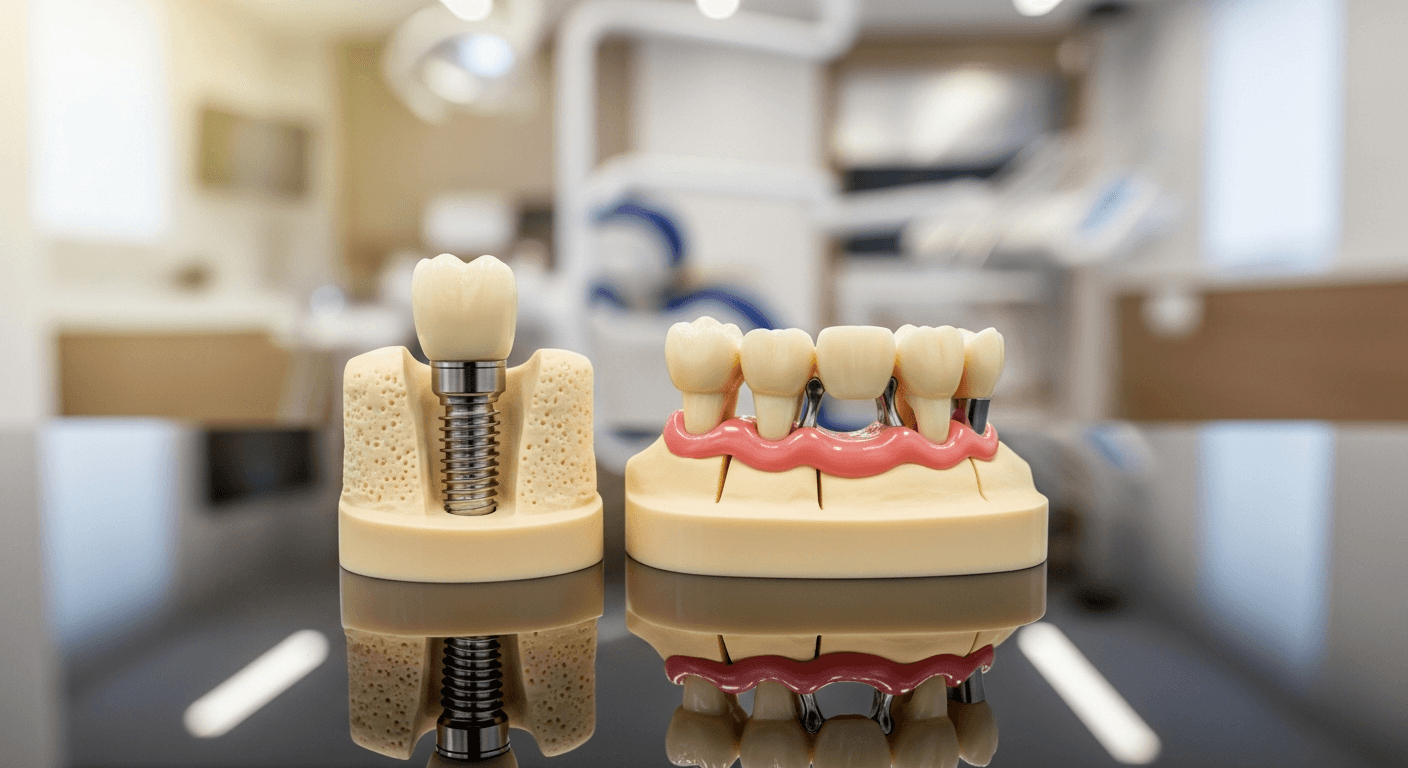
Natural teeth sit in a thin ligament that cushions pressure. Implants do not — they are fixed directly into bone and cannot absorb force the same way. An uneven bite therefore places concentrated stress on an implant, and over months or years that stress can lead to:
- — Bone loss around the implant
- — Loosened or fractured crowns
- — Screw loosening inside the implant
- — Jaw-muscle pain and headaches
| Bite Problem | How It's Corrected |
|---|---|
| Crown feels too tall or hits first | Adjust the crown surface to balance contact |
| Poorly shaped crown or bridge | Replace the restoration |
| Overloaded full-arch prosthesis | Redesign the prosthesis for even load |
| Not enough support in one area | Add support where the arch is overloaded |
Signs Your Bite Needs Attention
Many patients live with a poor bite without realizing it is the source of their discomfort. Watch for these signs:
- — One side feels like it hits first
- — Clicking, soreness, or fatigue in the jaw
- — A crown that feels too tall
- — Chipping on the implant crown or the opposing teeth
How Bite Problems Are Diagnosed
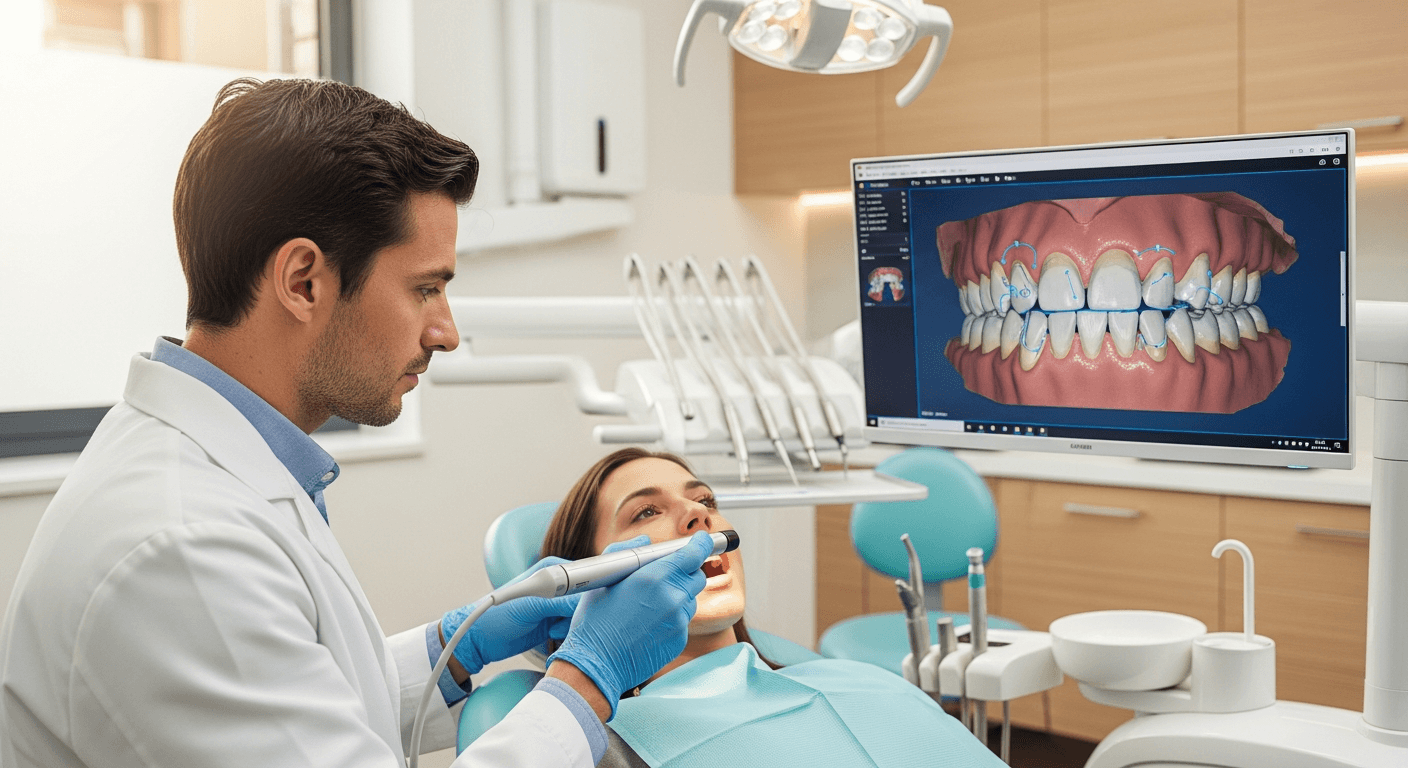
Correction begins with measurement, not guesswork. Bite registration, digital scans, and careful observation of how the teeth meet during movement reveal exactly where contact is too heavy and where support is missing. Accurate diagnosis is what separates a lasting fix from a temporary one.
How the Bite Is Corrected
The right correction depends on the cause. Options include:
- — Adjusting the crown surface to balance contact
- — Replacing a poorly shaped crown or bridge
- — Redesigning a full-arch prosthesis for even load
- — Adding support where the arch is overloaded
Protecting the Result
Once the bite is corrected, a few habits protect your investment. A night guard helps patients who grind, and regular maintenance catches small changes early. Learn more in our guide to implant aftercare and long-term maintenance.
Frequently Asked Questions
Can a high bite damage my implant?
Yes. Excess force is a leading cause of late implant problems. Correcting it early protects both the bone and the restoration.
How do I know my bite is off?
Common signs include one side hitting first, a crown that feels too tall, jaw soreness or fatigue, and chipping on the crown or opposing teeth.
Why does bite matter more with implants than natural teeth?
Natural teeth sit in a ligament that cushions pressure. Implants are fixed directly into bone and cannot absorb force the same way, so an uneven bite concentrates stress.
How are bite problems diagnosed?
Correction begins with measurement — bite registration, digital scans, and watching how the teeth meet during movement — not guesswork.
Is bite correction painful?
Most adjustments are simple and comfortable. Larger redesigns involve new prosthetics but are still well tolerated.
How do I protect the result?
A night guard helps if you grind, and regular maintenance catches small changes early.
Can you fix a bite set by another dentist?
Yes. Evaluating and rebalancing bites from implant work done elsewhere is routine.
Does your bite feel off after implant work?
Dr. Antipov measures precisely and corrects the cause so your implants stay healthy. Book a consultation at our Roseville practice.
Book a Free Consultation