Failing Teeth in Roseville: What to Save Before Planning Implants
By Dr. Alexander V. Antipov, DDS. Clinical review pending.

Failing teeth should be assessed for realistic preservation before an implant plan is chosen. For a consultation with Dr. Alexander V. Antipov, DDS, in Roseville, the key question is which teeth can be maintained predictably and which need replacement—not simply how many implants fit a named package.
This guide provides general education, not a recommendation to extract or retain a specific tooth. Prognosis, surgery, restoration, and fees require an individual examination and coordination with the appropriate dental clinicians.
Match the Scope of Treatment to the Problem
| Clinical situation | Options to evaluate | Question to resolve first |
|---|---|---|
| One damaged but potentially restorable tooth | Restorative or endodontic care | Can the tooth support a useful restoration? |
| One nonrestorable tooth | Extraction with an implant, bridge, or removable replacement | What will replace it during healing and afterward? |
| Several compromised teeth with healthy teeth remaining | Selective preservation and replacement | Which teeth have a reasonable individual prognosis? |
| Most or all teeth in an arch have poor prognosis | Full-arch removable or fixed rehabilitation | Why is an arch-level plan preferable to retaining teeth? |
Ask What 'Failing' Means for Each Tooth
A large cavity, a crack, a previous root canal, and advanced periodontal disease are not interchangeable diagnoses. A tooth may need a filling or crown, specialist assessment, periodontal treatment, or removal. The amount and location of sound tooth structure, supporting bone, symptoms, and ability to clean all contribute to prognosis.
Ask the team to distinguish a tooth that cannot be restored from one that can be treated but has an uncertain outlook. That distinction affects the balance between another repair and replacement. Retaining a compromised tooth indefinitely is not always reasonable, but extracting a maintainable tooth is irreversible.
If a proposal involves removing many teeth and you are unsure why, request a written tooth-by-tooth explanation or an appropriate second opinion. Ask how the recommendation changes if you preserve particular teeth. The goal is an understandable clinical rationale, not agreement with a procedure name.
Plan the Transition Before Extraction
Once removal is indicated, discuss infection control, the condition of the socket, bone preservation, and the temporary replacement. An implant can sometimes be placed during extraction, but immediate placement and immediate loading are separate decisions. A temporary appliance can be necessary even when the ultimate goal is fixed teeth.
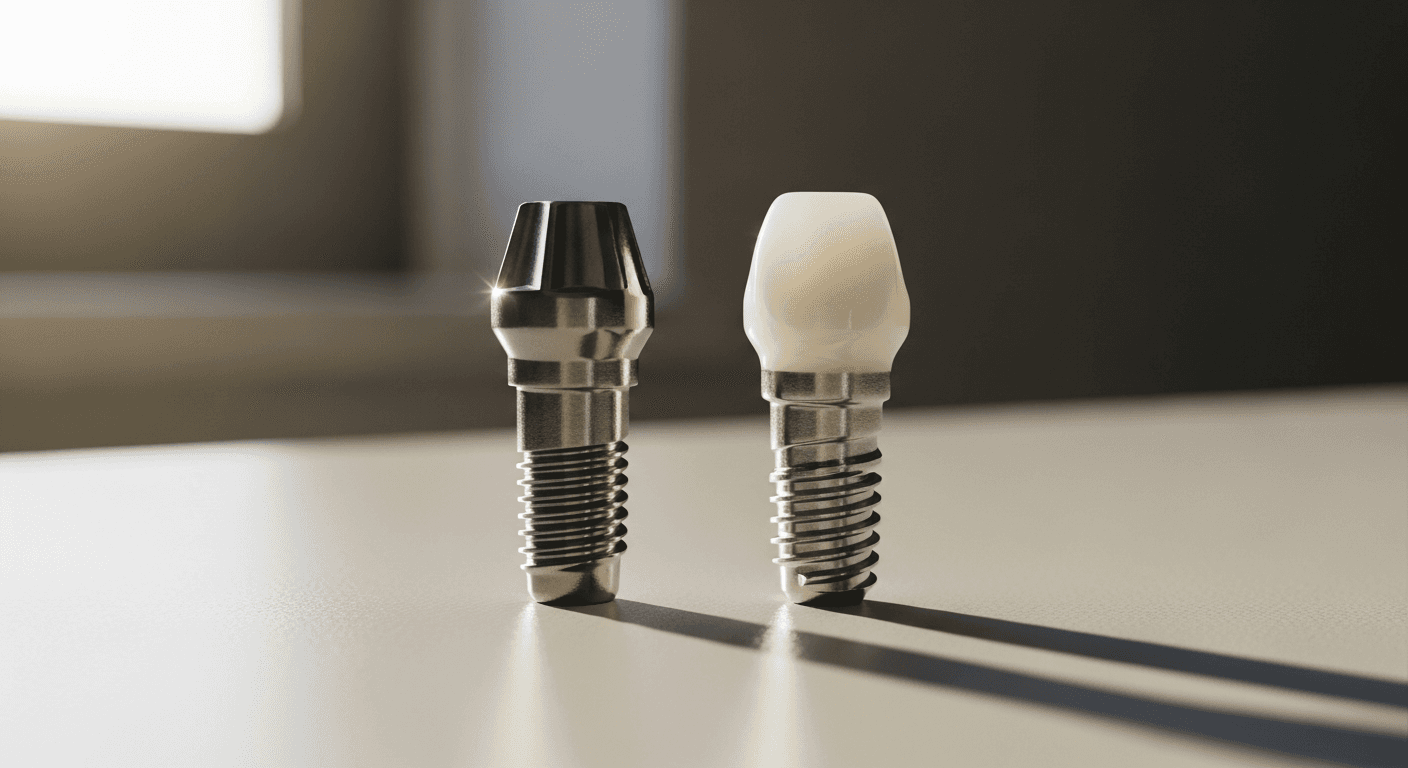
The single-tooth implant service addresses a localized replacement. Full-arch implant treatment addresses an entire arch. Full-arch treatment should not be presented as the default solution to one damaged tooth or a repairable bridge.
For larger plans, ask how you will manage meals, speech, work, transportation after sedation, and follow-up visits. If several clinicians are involved, identify who provides the provisional teeth, who adjusts them, and who delivers the definitive restoration. These practical details belong in the plan before surgery.
Review Health and Bone Without Making Assumptions
Bring a complete medication and medical history, including diabetes, smoking or nicotine use, osteoporosis medicines, cancer treatment, and prior healing problems. These factors do not all rule out implants, but they can change risk assessment and coordination with other clinicians. Never stop a medication on the basis of an online implant guide.
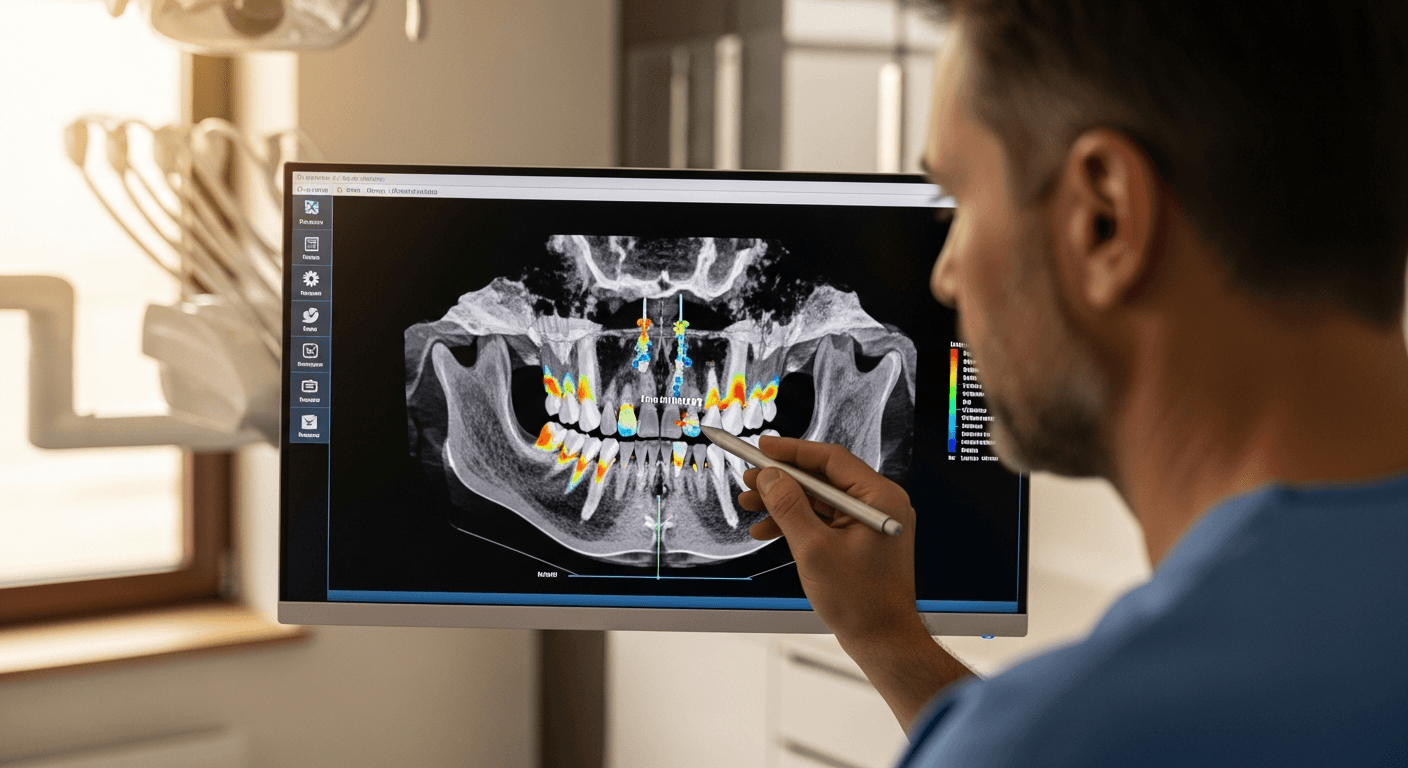
An examination and appropriate imaging assess available bone, soft tissues, the bite, and nearby structures. Grafting may be considered when the intended restoration cannot be supported safely by existing bone. A staged plan can be clinically appropriate rather than a sign that treatment is less advanced.
The ADA's implant resource explains why general health and healing matter. It does not justify assigning one success percentage to every patient or promising a fixed completion date.
Leave With a Written Decision, Not Just a Price
A useful estimate separates diagnostics, tooth treatment or extractions, grafting, implants, sedation when appropriate, temporary teeth, and the final restoration. Ask which elements are confirmed and which may change after examination or surgery. Compare the same treatment scope when reviewing another quote.
Confirm current insurance participation and benefits directly with the office and insurer. Do not assume a plan is accepted or that a specific percentage is covered because it appeared in a general article. Financing approval, interest, promotional terms, and total repayment also require current written information.
For a more involved case, the complex implant treatment decision guide can help organize questions. The outcome of a consultation should be a clear explanation of preservation, replacement, alternatives, and the risks of each.
Frequently Asked Questions
Does a failing tooth always need extraction?
No. The diagnosis and remaining support determine whether repair or specialist treatment is reasonable. An examination should establish why preservation is or is not appropriate.
Should I remove healthy teeth to get All-on-4?
Healthy, maintainable teeth should not be removed simply to fit a named treatment. Ask for the prognosis of each tooth and the clinical rationale for any full-arch recommendation.
Can implants be placed immediately after extraction?
Sometimes, when the anatomy and site conditions permit suitable positioning and stability. A staged approach may be safer or more appropriate, and immediate placement does not guarantee immediate fixed teeth.
Will I need a bone graft?
That depends on the site, bone distribution, intended implant position, and restoration. The decision is made from an examination and appropriate imaging, not the number of teeth missing alone.
What records should I bring for a second opinion?
Bring available X-rays, the proposed treatment and itemized estimate, relevant dental records, and a current medication list. Records are helpful, but they do not replace a new clinical assessment.
Is financing or insurance coverage guaranteed?
No. Coverage is policy-specific and financing depends on current terms and eligibility. Confirm both directly before committing to a plan.
Get a Clear Explanation Before Replacing Teeth
Request an evaluation with Dr. Antipov in Roseville and bring your current treatment proposal. Discuss which teeth can be retained and how any necessary replacement would be staged.
Request a Consultation