Fixed Implant Bridge Problems: What Needs Repair?
By Dr. Alexander V. Antipov, DDS. Clinical review pending.
A fixed implant bridge that clicks, chips, or feels loose needs an examination, but the symptom does not prove an implant has failed. For Sacramento-area patients considering evaluation with Dr. Alexander V. Antipov, DDS, in Roseville, the useful first step is identifying which layer needs attention: the bridge, its connectors, the implant, or the surrounding tissues.
This article provides general education about implant bridge complications, not a diagnosis or repair instructions. A clinician must examine the restoration and supporting tissues before recommending treatment; urgent symptoms require timely professional care.
Compare the Problem Before Comparing Repairs
The visible teeth are only one part of a fixed implant restoration. A repair that addresses appearance alone will not necessarily correct a loose connection or inflammation around an implant. Use this comparison to organize questions, not to diagnose the problem at home.
| What has changed | Possible area to investigate | What the assessment may clarify |
|---|---|---|
| Clicking or movement | Bridge connections, screws, or implant support | Whether movement is in a component or the supporting implant |
| A chip or rough edge | Restorative material and bite contacts | Whether a localized repair is suitable or damage is more extensive |
| Bleeding or swelling | Gum tissue, plaque access, and supporting bone | Whether inflammation or an implant-related disease needs treatment |
| Food repeatedly catches | Cleaning access, contour, and tissue changes | Whether hygiene coaching, contour changes, or another intervention is appropriate |
| Teeth suddenly meet differently | Bite contacts and the restoration's position | Whether a connection, damage, or another dental change is involved |
First Decide How Quickly to Seek Help
Contact a dental team promptly about new movement, a crack, persistent pain, repeated bleeding, or a change in chewing. A bridge is designed to stay attached; continuing to load a moving restoration can worsen a mechanical problem. Tell the office whether the change started suddenly and whether you can close your mouth comfortably.
Facial swelling, fever with a dental concern, pus, or rapidly worsening pain warrant urgent professional assessment. Difficulty breathing or swallowing, or rapidly spreading swelling, is an emergency: seek emergency medical care rather than waiting for a routine appointment. Significant bleeding that does not settle also needs urgent guidance.
While arranging care, avoid hard or sticky foods and do not repeatedly rock the bridge to test it. Do not use household glue, tools, or an online screw-tightening kit. If a piece comes out, keep it in a clean container and call the office; do not push it back into place. Follow the team's instructions about eating and cleaning.
Why the Bridge and the Implant Are Different
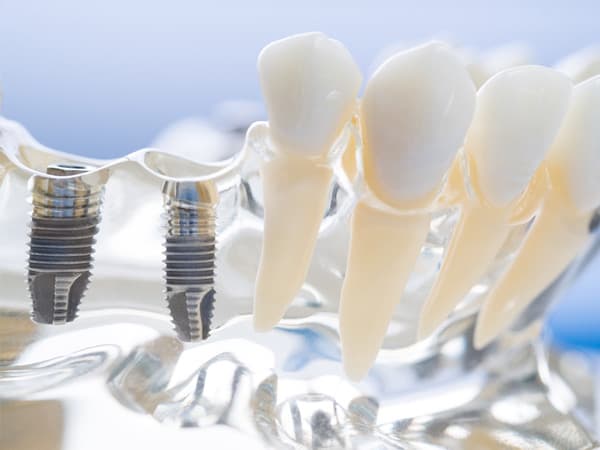
An implant is the fixture in the jawbone. An abutment and other connecting components link that fixture to the replacement teeth. Depending on the design, the bridge may be secured by screws or cement. A loose bridge component and a mobile implant are different findings, with different implications for treatment.
The ADA's patient overview of implants describes implants as anchors for replacement teeth, including bridges and dentures. Keeping the anchor and the replacement teeth conceptually separate makes repair discussions clearer.
The FDA's dental implant guidance describes possible complications including screw loosening, implant damage, and difficulty cleaning. These possibilities explain why a symptom should trigger an assessment rather than an automatic decision to remove every implant.
Pain is not a reliable sorting tool. A mechanical issue can be uncomfortable, and inflammation around an implant may be present without dramatic pain. Neither the absence of pain nor a reassuring appearance establishes that the supporting bone is healthy. Comparing current findings with previous records can help the clinician understand what has changed.
What a Focused Repair Evaluation Should Answer
Expect questions about when the bridge was placed, when symptoms began, any recent hard bite or trauma, and past repairs. Bring the implant brand or component records if available, previous imaging, and the names of the treating offices. Missing records do not automatically prevent care, but identifying the system may matter when sourcing compatible parts.
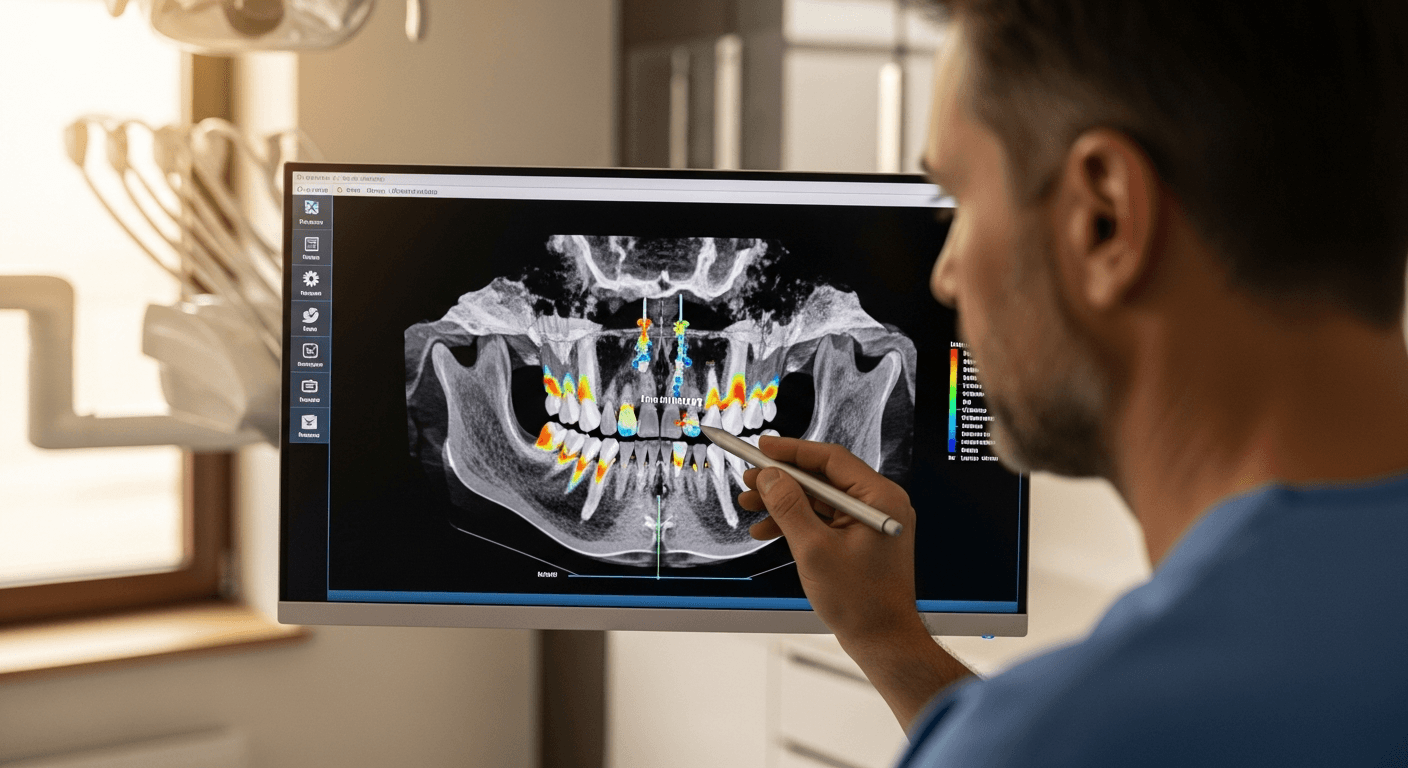
The examination may include checking the bridge's fit, tissue health, access for cleaning, and the way upper and lower teeth meet. Appropriate imaging helps assess supporting bone and components that cannot be seen directly. A clinician may need to remove the restoration to inspect an underlying connection; this is not a home-care procedure.
Ask for a plain-language explanation of what is confirmed and what remains uncertain. Our guide to dental implant complications provides broader background, while this visit should identify the particular part responsible for your symptoms.
When a Limited Repair May Make Sense
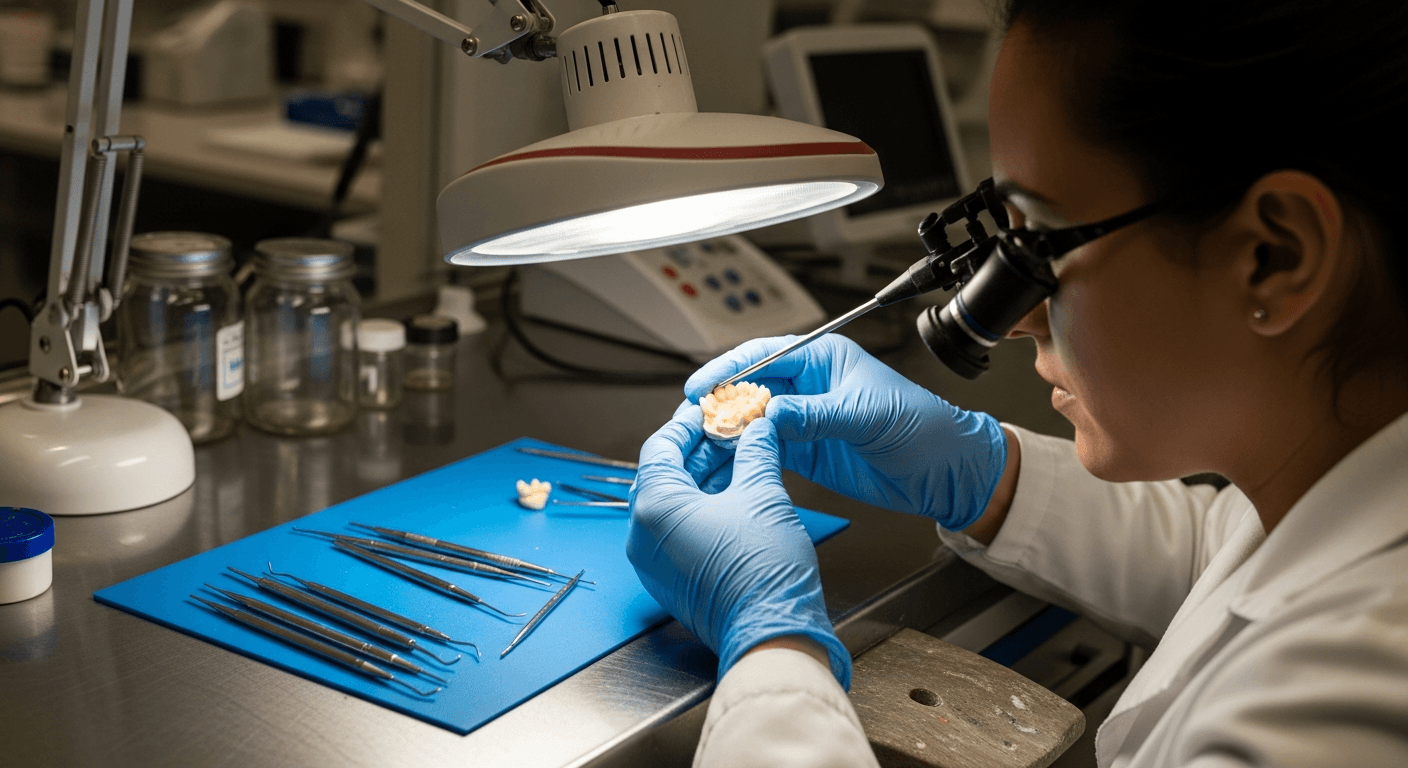
A small chip may be repairable when the remaining restoration is sound and the location permits a suitable repair. A damaged connector may be replaceable if compatible components are available and the bridge and implants remain serviceable. Some work can be completed clinically; other repairs require laboratory involvement or a new component.
Simply retightening a screw is not always the whole solution. The team may need to investigate fit, bite forces, damaged threads, or repeated loosening. Ask what likely caused the problem and how the plan addresses it. Replacing a part without understanding a recurring pattern may leave the same stress acting on the repair.
Before proceeding, clarify whether the proposed work is temporary or intended as the definitive repair. Ask what you can eat afterward, whether you will be without the bridge during laboratory work, and which symptoms should prompt another call. There is no universal same-day repair promise for every implant system or material.
When Replacement or Tissue Treatment Enters the Plan
A larger fracture, poor fit, repeated breakdown, or inadequate cleaning access may lead to discussion of replacing the bridge. That does not automatically require replacing the implants. The condition and position of each supporting implant, the restorative design, and the health of the surrounding tissues all influence whether existing support can be retained.
Inflammation around implants requires its own diagnosis. Peri-implant mucositis involves the soft tissues; peri-implantitis also involves loss of supporting bone. Treatment depends on the findings and may require more than a routine cleaning. An attractive bridge repair does not resolve a disease process underneath it.
If an implant cannot be retained, ask how its removal would affect the remaining support and the interim teeth. The guide to replacing a failed dental implant explains that separate planning question. Not every bridge complication reaches that stage.
Build a Maintenance Plan You Can Actually Follow
Implants cannot develop a tooth cavity, but the surrounding tissues still need care. The FDA's implant care recommendations emphasize oral hygiene and regular dental visits. Ask the team to demonstrate cleaning on your actual bridge rather than relying on a generic diagram.
Brush the restoration and gumline, and use the recommended method to clean around and beneath accessible areas. Depending on the design, that may involve a threader, an appropriately sized interdental brush, or a water flosser. Do not force a tool through resistance. Tell the team if dexterity, vision, discomfort, or gagging makes the suggested routine unrealistic.
Follow-up intervals should reflect tissue health, previous disease, restorative complexity, and your ability to clean. If clenching or grinding is suspected, ask whether bite review and a professionally fitted protective appliance are appropriate. Neither a night guard nor excellent hygiene can guarantee that a bridge will never need repair.
Prepare for an Evaluation in Roseville
For patients traveling from Sacramento, Rocklin, Lincoln, or nearby communities, call ahead about the symptoms and available records so the Roseville team can advise on appointment urgency. Bring a medication list, previous repair invoices or treatment summaries, and any component information. Photographs of a visible change may be useful, but do not manipulate the bridge to create one.
You can learn about Dr. Antipov's background before the visit. Ask for a written explanation of the diagnosis, proposed repair, alternatives, expected maintenance, and any temporary-restoration arrangements. A useful plan explains both what needs fixing now and what will be monitored afterward.
Frequently Asked Questions
Does a loose fixed bridge mean every implant has failed?
No. Movement may originate in a bridge connection, a damaged component, or implant support. Only an examination can distinguish them. Avoid testing the movement or chewing hard foods on the bridge, and arrange a prompt assessment.
Can I tighten the bridge myself?
No. Implant systems use specific components and clinical techniques. Home tightening can damage parts, injure tissues, or conceal a more important problem. Contact a dental team and keep any detached component in a clean container.
Can a chipped implant bridge be repaired?
Sometimes. The material, location and extent of damage, bite contacts, and underlying support affect repairability. A limited chip may need a different approach from a structural fracture. The clinician should explain whether repair or replacement is more appropriate.
Why does food keep collecting under my bridge?
Food collection can relate to the contour of the bridge, spaces needed for cleaning, tissue changes, or another fit concern. Repeated trapping deserves a review of cleaning access and the restoration. Do not pack adhesive or other materials into the gap.
Is bleeding around an implant bridge normal?
Repeated bleeding should be assessed rather than accepted as routine. Plaque-related inflammation is one possibility, but the tissues and supporting bone need evaluation. Continue gentle cleaning as advised and report swelling, discharge, pain, or a change in fit.
Will I need to go without teeth during a repair?
That depends on the repair, component availability, laboratory work, and condition of the supporting implants. Ask before treatment whether an interim restoration is possible and what limitations it would have. A temporary solution is not guaranteed for every case.
How can I reduce the chance of another problem?
Follow the demonstrated home-care routine, attend individualized maintenance visits, and report new movement or bite changes early. Discuss grinding if relevant. These steps support monitoring and maintenance, but no routine eliminates every mechanical or biological complication.
Find Out Which Part Needs Attention
Request an implant bridge evaluation at the Roseville practice serving Sacramento-area patients. Bring your symptoms and treatment records so the discussion can focus on a diagnosis and practical next steps.
Request an Implant Evaluation