Implant-Retained Dentures: A Sacramento Patient's Guide
By Dr. Alexander V. Antipov, DDS. Clinical review pending.
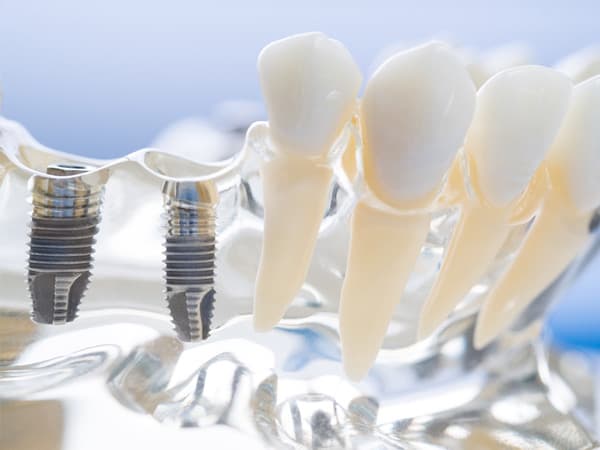
Implant-retained dentures connect removable replacement teeth to implants, helping resist displacement while still allowing daily removal for cleaning. For Sacramento-area patients exploring treatment with Dr. Alexander V. Antipov, DDS, in Roseville, the best comparison is not simply removable versus fixed: it is how each suitable design fits your anatomy, cleaning ability, and long-term maintenance needs.
This guide is general education about implant denture options, not a recommendation for a particular design or implant count. Candidacy, surgical risks, costs, and maintenance needs require an individualized clinical assessment.
Compare Everyday Responsibilities First
Practices sometimes use implant-retained and implant-supported differently. Ask whether you will remove the teeth yourself and whether the denture also rests on the gums. These practical questions are more useful than assuming a label describes the same treatment everywhere.
| Consideration | Conventional denture | Removable implant overdenture | Fixed implant restoration |
|---|---|---|---|
| How it stays in place | Fit against oral tissues | Attachments engage implants; tissue support varies | Secured to implants through connecting components |
| Daily removal | Removed by the patient | Removed by the patient | Not removed by the patient |
| Cleaning access | Denture cleaned outside the mouth | Denture removed; mouth and attachments also cleaned | Cleaned in place around and beneath the teeth |
| Common maintenance discussions | Fit, sore spots, relines, and wear | Fit plus attachment wear and retention | Bite, material wear, connectors, and tissue health |
| Planning priorities | Ridge shape and tissue support | Bone, attachment space, handling, and tissue support | Bone, implant distribution, restorative space, and hygiene access |
Understand What the Attachments Actually Do
An implant is an anchor in the jaw; the attachment is the connection between that anchor and the removable denture. With individual stud-style attachments, corresponding components in the denture engage connectors on the implants. A bar design links implants and provides a different attachment arrangement. Designs vary in space requirements, cleaning access, and how the denture is inserted.
Attachments add retention, but they do not make every removable denture completely motionless. In some designs, the gums still carry part of the chewing load. A denture may therefore need fit adjustments or a reline even when the implants remain healthy. Understanding that distinction helps set expectations about comfort and later maintenance.
The American Association of Oral and Maxillofacial Surgeons' implant overview explains how implants support tooth replacement. During your own discussion, ask the clinician to show which parts anchor, which parts retain, and which surfaces support the proposed denture.
Start With What Your Current Denture Cannot Do
List concrete problems rather than asking only for the strongest option. Does the lower denture lift when speaking? Is there a sore area after meals? Are you unhappy with facial support, tooth position, or speech? A retention problem and a design problem may require different changes, and adding implants does not automatically correct every concern.
Bring your existing denture, even if it is uncomfortable. Its fit, bite, tooth wear, and shape can help explain what needs to change. Some dentures can be considered for modification, but converting an old denture is not always clinically appropriate. Space for attachments, material thickness, and overall condition matter.
A fixed option may appeal because it stays attached, while a removable option may offer easier access for cleaning. Neither preference establishes candidacy. Ask how each clinically reasonable design would address your specific difficulty and which problems might remain. A useful comparison acknowledges limitations as well as possible benefits.
Candidacy Is More Than Counting Implants
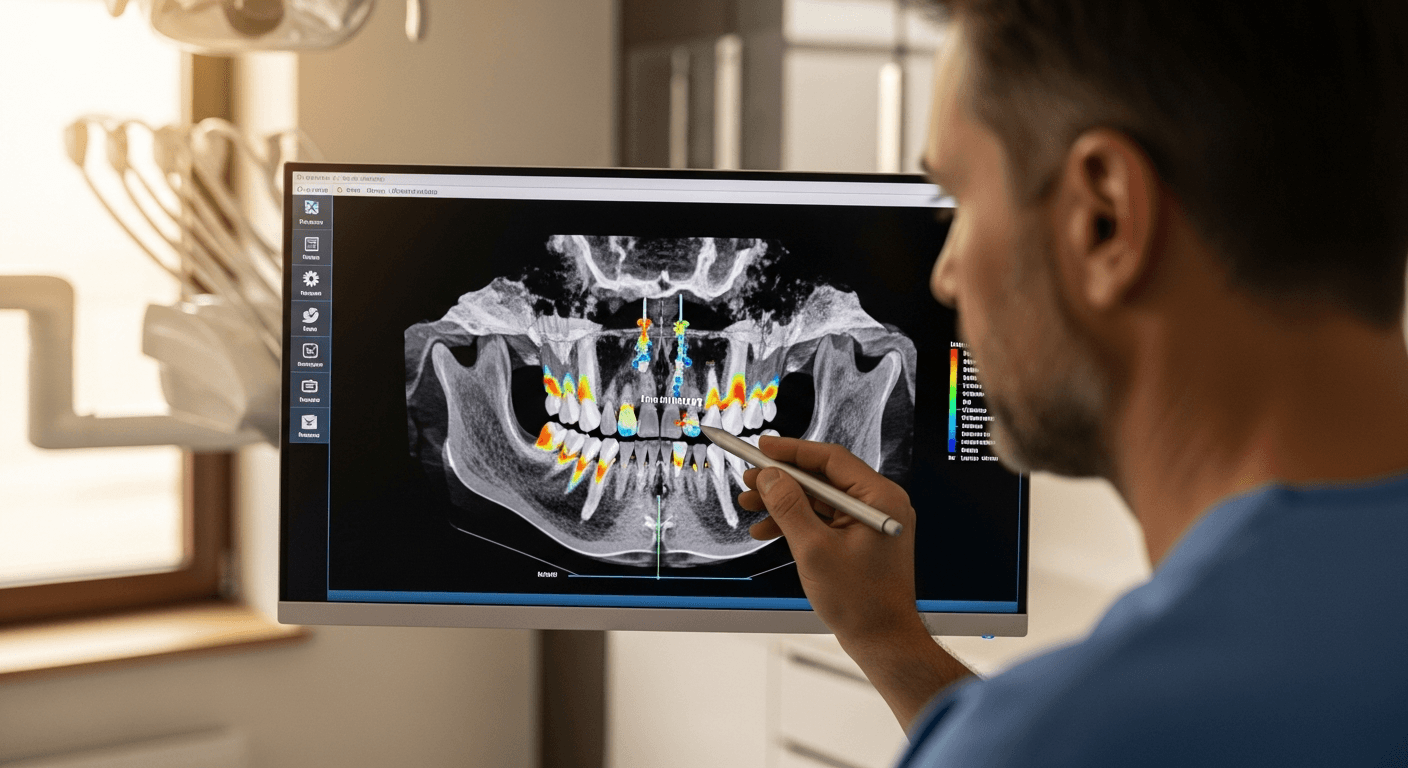
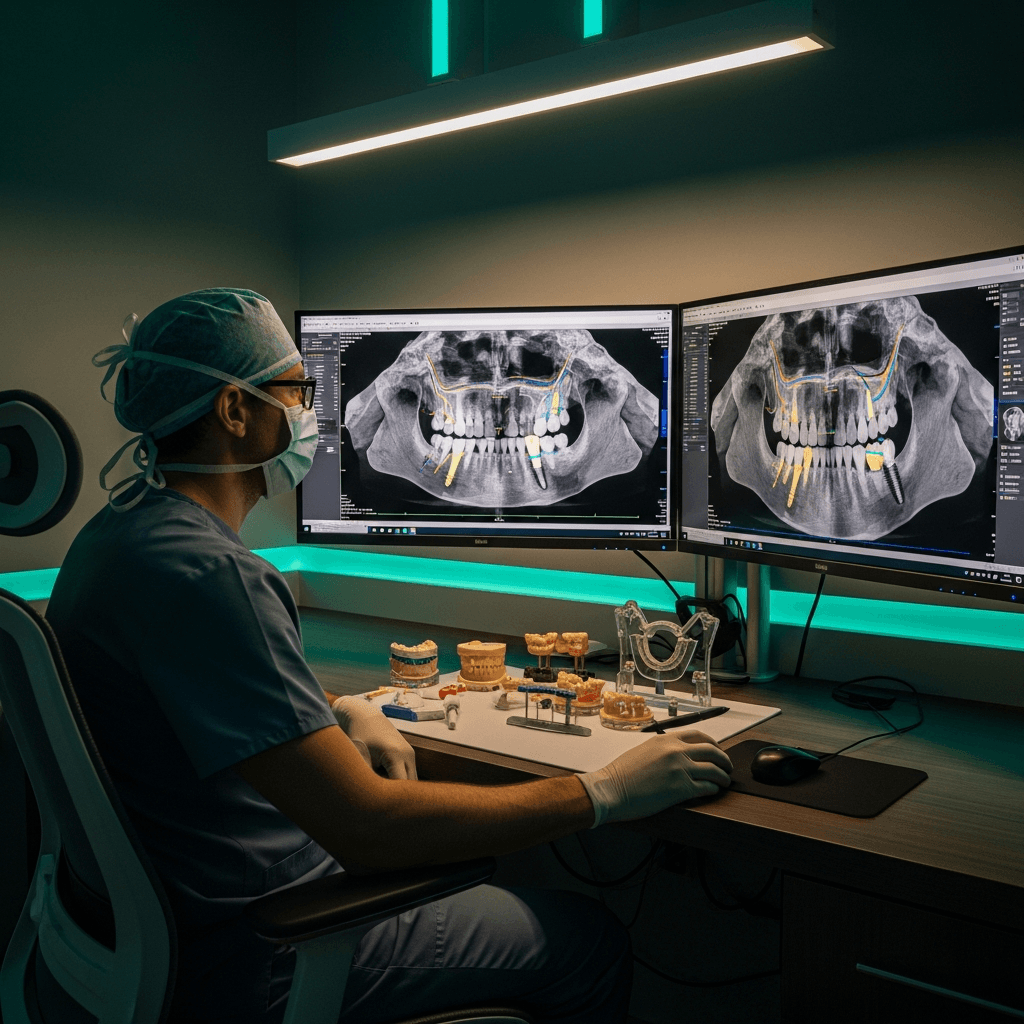
The examination considers bone dimensions, jaw anatomy, gum health, available space for teeth and attachments, and how the upper and lower jaws meet. An upper-jaw plan can differ from a lower-jaw plan. Appropriate imaging may help determine where implants could be placed without compromising nearby structures.
Medical history, tobacco use, medications, diabetes management, prior gum disease, and healing concerns belong in the discussion. Share all prescriptions and supplements rather than deciding which ones seem dental. If you use osteoporosis medication or receive cancer treatment, the surgeon may need additional information and coordination with the prescribing clinician.
There is no single implant number for every removable denture or fixed arch. Ask why the recommended distribution suits the jaw and restoration. If reduced bone is a concern, review the practice's bone grafting information and ask whether a bone-building procedure, a different design, or a non-implant option should be considered.
Try the Cleaning and Handling Routine Before Choosing
For a removable overdenture, request a demonstration of how it seats and releases. You should understand how to align it without biting it forcefully into position. Arthritis, limited hand strength, reduced vision, or difficulty reaching the back of the mouth can change which attachment and cleaning arrangements are realistic.
The denture needs cleaning outside the mouth, while the implants, attachments, gums, and any remaining teeth need their own care. Follow design-specific instructions about brushes, cleansers, and overnight removal or storage. Toothpaste or cleaning products suitable for natural teeth are not automatically appropriate for every denture material.
For fixed teeth, ask how you would clean the gumline and spaces beneath the restoration. Request a demonstration with the recommended tools. If a caregiver will help, include that person in the teaching. Fixed teeth avoid daily denture removal, but they do not remove the need for detailed home care.
The FDA's patient guidance on implants emphasizes oral hygiene and follow-up. The most useful plan is one you can consistently carry out, not a theoretically ideal routine that your hands, schedule, or comfort make unworkable.
Plan for Attachment Wear, Not Just Surgery
Removable attachment inserts or clips can wear and may need professional replacement. Retention can change gradually, so report a denture that suddenly releases too easily or becomes difficult to remove. Do not bend clips, file the denture, or buy substitute components without clinical guidance. The team should assess whether the issue is wear, fit, debris, or another problem.
Ask who will provide routine maintenance and whether replacement parts are readily available. Clarify how the denture's fit, bite, and tissue contact will be monitored. Maintenance needs vary; an insert replacement does not necessarily mean the implant itself has failed, and a new sore spot does not automatically mean the attachments are responsible.
Our snap-on denture treatment overview describes the removable category. Use your appointment to obtain a personalized care plan, including symptoms to report and follow-up timing. Persistent bleeding, swelling, pain, or movement around an implant should not be dismissed as ordinary attachment wear.
Compare Written Plans Beyond the Headline Fee
A meaningful estimate separates evaluation, surgery, any extractions or grafting, implants, attachments, interim teeth, and the definitive denture. Ask whether both jaws are included and who is responsible for each phase. A lower headline figure may describe a different restoration or omit treatment that another estimate includes.
Discuss future maintenance as part of the decision: replacement inserts, relines, repairs, professional cleaning, and eventual prosthesis replacement may be relevant. Ask what is included, what is separate, and how unplanned findings would be communicated. No general internet price can establish your total treatment cost.
If using insurance, request information about benefit limits, exclusions, and any predetermination process. Estimated coverage is not a promise of payment. If considering financing, review the lender's APR, fees, total repayment, and promotional conditions before accepting an agreement. Clinical suitability and financial suitability are separate decisions.
Arrange Treatment Around Life in the Sacramento Area
The practice is in Roseville and serves patients from Sacramento and surrounding communities. Ask which stages require visits, whether sedation changes transportation requirements, and when adjustments might be needed. Do not assume implant placement, attachment connection, and delivery of final teeth happen at the same appointment.
Healing and readiness to use implants depend on the clinical plan and findings during treatment. Ask what you will wear while healing and what eating restrictions apply. If an existing denture is used temporarily, it may need modification to avoid unwanted pressure on surgical sites.
Learn about Dr. Antipov and the practice and bring a short priority list: the foods or social situations you struggle with, your cleaning limitations, and your preferences about removability. A good consultation leaves you understanding the recommended design, alternatives, and responsibilities—not simply an implant count.
Frequently Asked Questions
Are implant-retained dentures the same as fixed teeth?
Usually the term describes a removable overdenture, but terminology varies. Ask whether you will remove the teeth daily and whether the gums share support. A fixed full-arch restoration stays attached and has a different cleaning routine.
How many implants will my denture need?
The number depends on the jaw, available bone, attachment design, bite, and proposed restoration. Upper and lower plans may differ. An examination and appropriate imaging are needed before recommending the number and placement of implants.
Can my current denture become a snap-in denture?
Sometimes modification is possible, but fit, wear, bite, material strength, and space for attachments must be assessed. A new denture may be more appropriate. Bring the current denture to the visit rather than assuming it can be converted.
Will implant attachments last forever?
No attachment system should be considered maintenance-free. Inserts or clips may wear and need replacement. Ask about expected monitoring, access to compatible parts, and maintenance charges. A change in retention should be evaluated rather than corrected at home.
Do I take an implant overdenture out at night?
Follow the instructions for your particular denture and oral tissues. Removable dentures generally need periods out of the mouth, but cleaning, overnight storage, and timing should be confirmed with your clinician, especially during healing.
Can implants help a denture that moves while eating?
They may improve retention when the anatomy and health findings support treatment. Denture shape, tissue support, bite, and attachment maintenance still matter. An evaluation should distinguish insufficient retention from a poor fit or another source of discomfort.
Is a fixed restoration always the better investment?
No. Clinical suitability, cleaning ability, repair needs, personal preferences, and total financial commitments all matter. A removable overdenture may suit one person better, while a fixed design suits another. Compare individualized plans rather than assuming fixed means universally better.
Compare Denture Options Around Your Daily Routine
Request an implant denture consultation in Roseville, serving Sacramento-area patients. Bring your current denture and questions about handling, cleaning, treatment stages, and future maintenance.
Request an Implant Denture Consultation