Can You Avoid a Bone Graft? Start With the Planned Teeth
By Dr. Alexander V. Antipov, DDS. Clinical review pending.
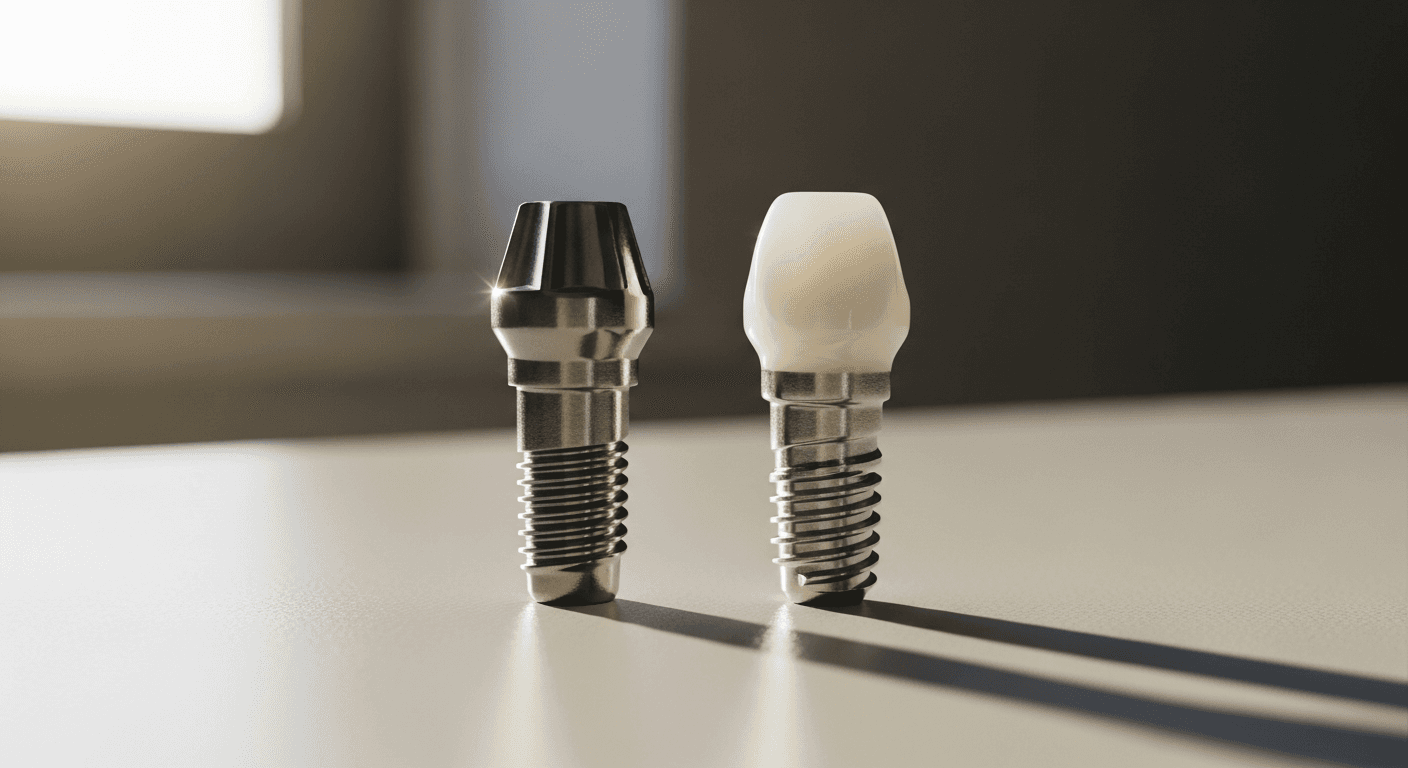
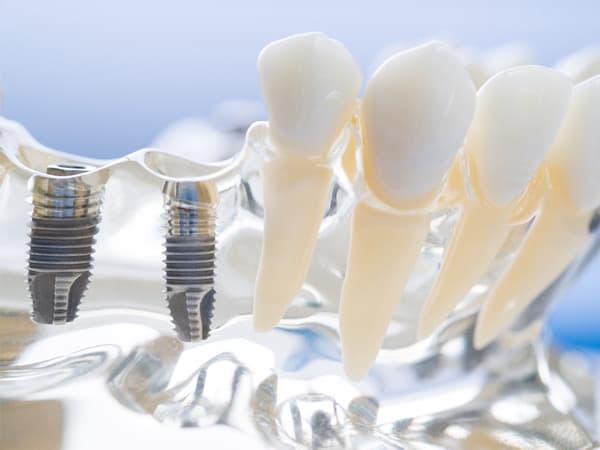
Dental implants can sometimes be placed without grafting when existing bone supports safe implant positioning and the intended replacement teeth. Dr. Alexander V. Antipov, DDS, in Roseville can evaluate whether that approach fits your anatomy; 'no bone graft' is a possible treatment outcome, not a promise that everyone can avoid rebuilding bone.
This is an educational comparison, not an assessment of your bone or eligibility for specialized surgery. Technique availability, risks, healing, and costs must be confirmed during an individual consultation.
Compare Ways to Obtain Support
| Approach | What it changes | Important limitation |
|---|---|---|
| Standard implant without grafting | Uses adequate existing bone in the desired site | Requires suitable position, surrounding support, and restorative space |
| Short or narrow implant in selected sites | Adapts implant dimensions to specific anatomy | Not an interchangeable solution for every tooth or bite |
| Angled implants in a full-arch plan | Uses favorable bone distribution | All-on-4 does not guarantee a graft-free result |
| Grafting or sinus augmentation | Rebuilds support at the intended site | May add procedures and healing stages |
| Specialized anchorage for selected upper jaws | Uses other anatomical support sites | Requires advanced assessment and discussion of distinct risks |
Enough Bone in the Wrong Place May Not Be Enough
An implant must connect to a tooth that fits the bite and can be cleaned. Finding a pocket of dense bone is not sufficient if using it would create an awkward crown, poor support, or an inaccessible cleaning space. Planning therefore works backward from the restoration and forward from the anatomy at the same time.
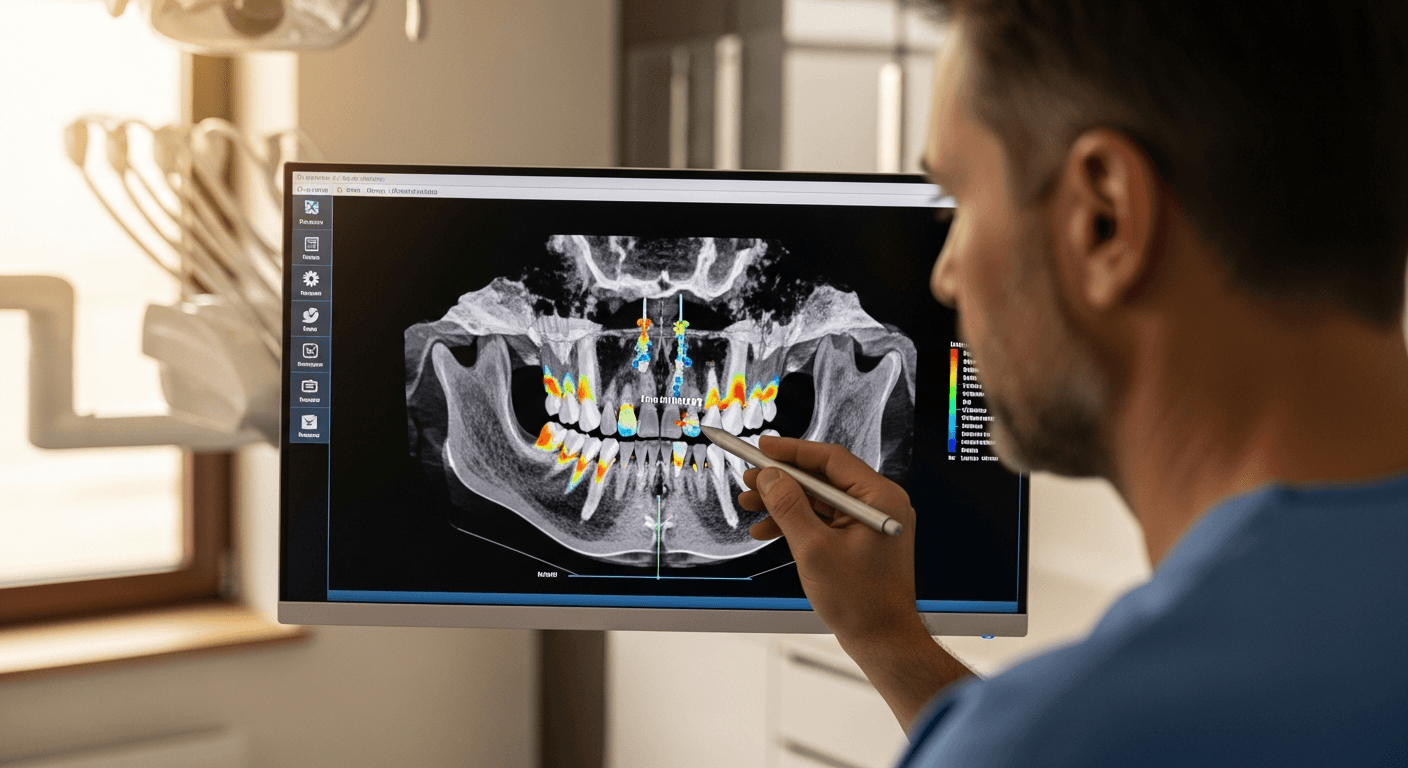
Bone height, width, contour, and surrounding structures are evaluated together. Gum thickness and the appearance of a visible tooth can matter as much as the implant's ability to fit. Published minimum measurements cannot replace an individualized plan because implant dimensions, safety margins, and restorative demands differ.
A single-tooth implant has a localized crown position to satisfy. A full-arch restoration can distribute support across multiple sites, but that flexibility does not eliminate biological or mechanical constraints.
What Graft-Free Alternatives Can—and Cannot—Do
A short implant changes available length, a narrow implant changes diameter, and an angled implant changes direction. These are different strategies for different constraints. Smaller implants are not automatically adequate for heavy chewing forces or every fixed restoration. The planned load, tissue health, and supporting bone still need assessment.
For selected severely resorbed upper jaws, specialized anchorage such as zygomatic or pterygoid implants may enter the discussion. These approaches are not simply standard implants made longer, and they carry their own anatomical and complication considerations. They should not be advertised as a universal shortcut around grafting.
See the separate overview of severe bone loss and implant treatment for broader reconstruction questions. This article focuses on deciding whether skipping a graft still achieves the restorative goal.
When Grafting May Be the More Appropriate Choice
A graft may be recommended to improve support or contour where the tooth needs to emerge. For upper back teeth, the sinus and available bone can influence whether augmentation is appropriate. In other sites, ridge deficiency may make a staged approach preferable. The recommendation should explain what deficiency is being treated and why.
Avoiding one procedure may introduce a different compromise: altered tooth contours, a more complex surgical path, or a restoration that is harder to maintain. Ask the surgeon to compare those trade-offs, not just procedure counts. There can also be circumstances in which a non-implant replacement better fits your health or priorities.
The practice's bone grafting information provides context for reconstructive treatment. A graft should have a clear purpose, but declining a necessary graft without changing the rest of the plan can leave the intended implant inadequately supported.
No Graft Does Not Mean No Healing
As the ADA explains, bone must integrate with an implant. Eliminating a preliminary graft stage does not eliminate that process. Temporary teeth, eating restrictions, and follow-up still depend on stability and the entire treatment plan.
Costs also do not follow a simple rule. Avoiding a graft can remove one item, but specialized surgery or a different restoration can add others. Request a complete estimate including the final teeth and long-term maintenance rather than comparing a graft fee with an implant-only price.
Bring earlier scans if available, along with dental records and a medical history. Ask which sites can use existing bone, which cannot, and what happens if surgical findings differ from the scan. A responsible no-graft plan includes alternatives and limits, not only the hoped-for approach.
Frequently Asked Questions
Can implants work with no bone at all?
Implants need suitable anchorage. Graft-free treatment means using existing bone or a different appropriate support site; it does not mean implants can function without support.
Does All-on-4 always avoid a bone graft?
No. Four planned implant positions still require adequate support and an appropriate restoration. The name alone says nothing definitive about grafting needs in an individual jaw.
Are mini implants a substitute for grafting?
Not universally. Narrower implants have specific indications and limitations. Their suitability depends on the site, load, restoration, and overall plan rather than bone width alone.
Is graft-free treatment always faster?
It may avoid a preliminary healing stage, but implant integration and restorative work still take time. More complex anatomy or other treatment can change the sequence.
Can a scan tell me whether I need grafting?
Imaging helps evaluate anatomy, but it must be interpreted with an examination, medical history, and the planned replacement teeth. A measurement by itself does not settle the decision.
What should I ask if two opinions disagree?
Ask each clinician to explain the intended tooth positions, implant support, cleaning access, risks, and contingency plan. Different proposals should be compared on their complete clinical reasoning, not simply whether a graft is included.
Compare Grafting With a Complete Alternative
Request an evaluation with Dr. Antipov in Roseville to discuss existing bone, the intended restoration, and whether a graft-free approach is appropriate for your situation.
Discuss Implant Candidacy