Natural-Looking Implant Dentures: Design More Than the Tooth Shade
By Dr. Alexander V. Antipov, DDS. Clinical review pending.
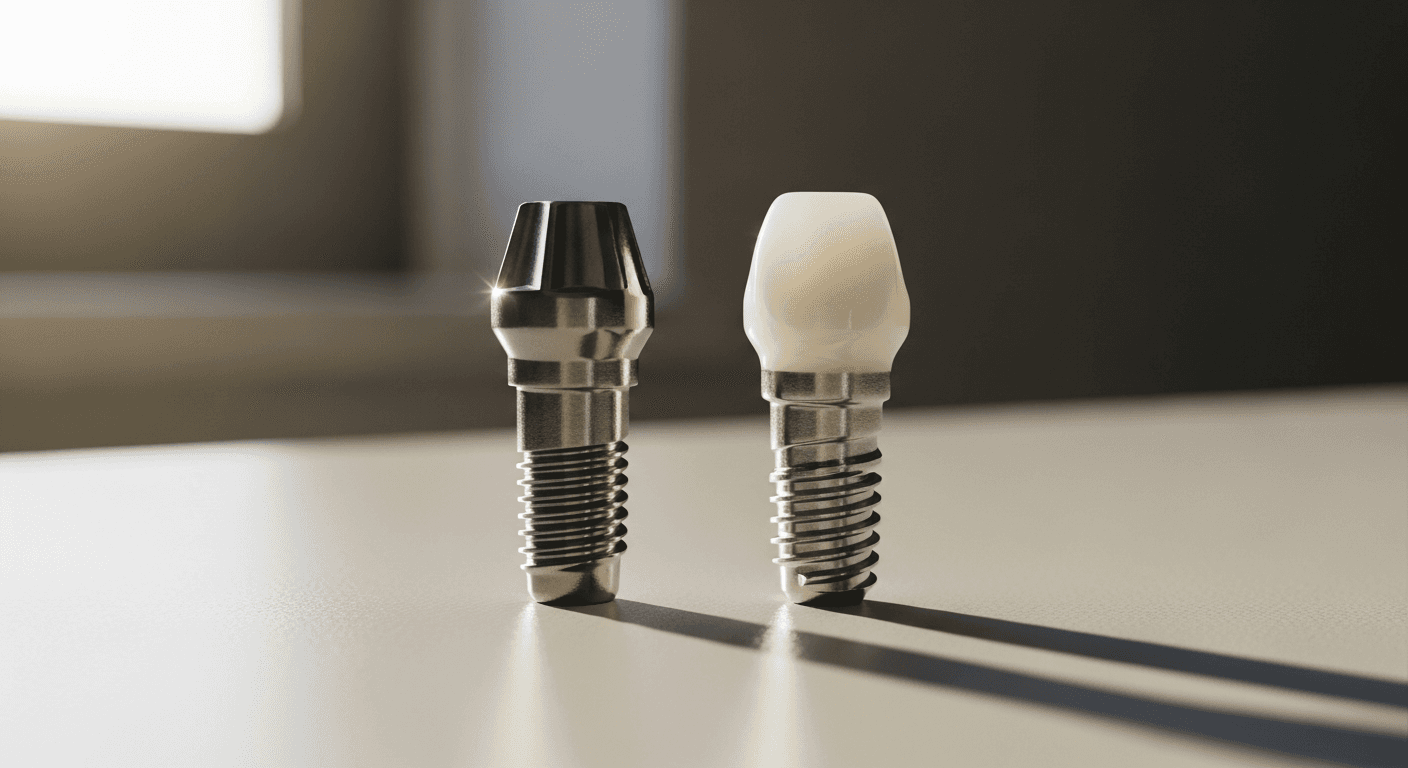
Natural-looking implant dentures depend on tooth position, proportions, gum contours, and facial support—not simply choosing the whitest shade or a premium material. For patients planning care with Dr. Alexander V. Antipov, DDS, in Roseville, the surgical and restorative plan should support a smile that also functions, cleans well, and suits the face.
This guide explains general design considerations, not a promise of appearance or a recommendation for a particular material. Suitability and results vary; the surgical and restorative team must assess your anatomy and goals.
Compare the Design Before the Material
| Restoration | Daily handling | Appearance question to discuss |
|---|---|---|
| Conventional full denture | Removed by the wearer; rests on tissues | Can the base provide comfortable lip support and stable tooth positioning? |
| Removable implant overdenture | Removed by the wearer; retained by attachments | How will the base replace lost tissue while allowing cleaning? |
| Fixed full-arch implant restoration | Stays attached during daily use | Can the gum transition be concealed without sacrificing hygiene access? |
| Implant crown or shorter bridge | Fixed replacement for a smaller gap | How will shape, shade, and gum contours blend with remaining teeth? |
Your Lips and Gums Frame the Teeth
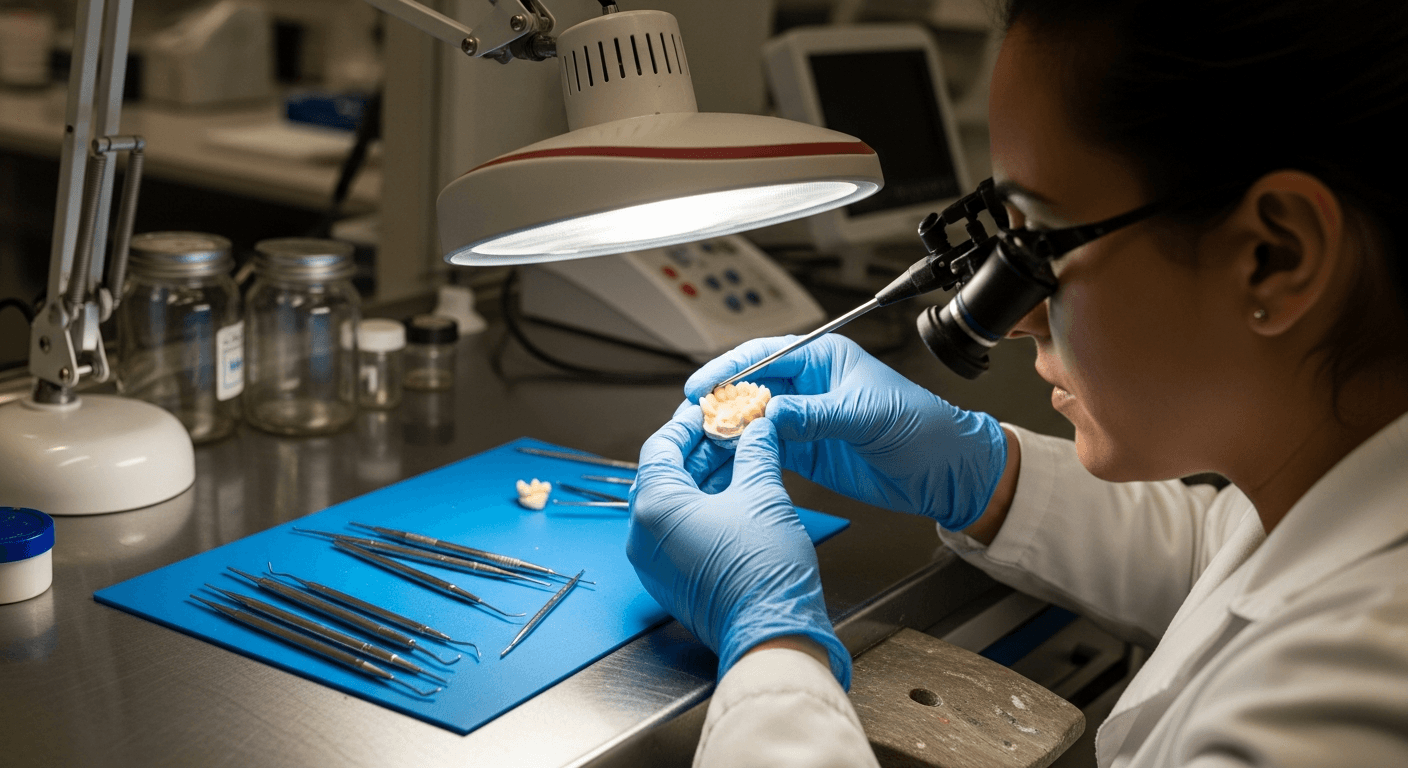
A tooth can look attractive on a laboratory model but appear too long, too prominent, or too hidden in the mouth. The team needs to assess what shows at rest, during speech, and with a broad smile. The relationship between the teeth and lips affects both appearance and pronunciation.
When teeth and supporting tissues have been lost, the restoration may need to replace gum volume as well as teeth. Some patients benefit from a removable base that supports the lips; others may be suited to a fixed design. Fixed is not automatically more natural if it cannot provide appropriate support or creates an obvious tissue transition.
Bring older photographs of your own smile and describe specific preferences: a softer tooth shape, less visible gum, or a shade that blends with remaining teeth. Reference photos help communicate goals, but a different person's result cannot be transferred directly to your anatomy.
Materials Have Trade-offs, Not a Universal Winner
Acrylic or composite-based teeth, zirconia, and ceramic-containing restorations have different design, repair, wear, and space requirements. They can all produce different visual results depending on how they are made. Material labels alone do not describe the surface texture, translucency, thickness, or gum characterization you will see.
A highly rigid restoration still needs a suitable bite and adequate space. A repairable material may be useful in one design while another material suits a different situation. Discuss how the restoration would be repaired, whether opposing natural teeth or restorations affect the choice, and what cleaning access the design allows.
Do not treat claims such as 'porcelain never chips' or 'permanent teeth never need replacement' as clinical guarantees. Both removable and fixed teeth can need maintenance. A material that photographs well is not automatically the most appropriate choice for your mouth.
Use the Preview to Check More Than a Smile
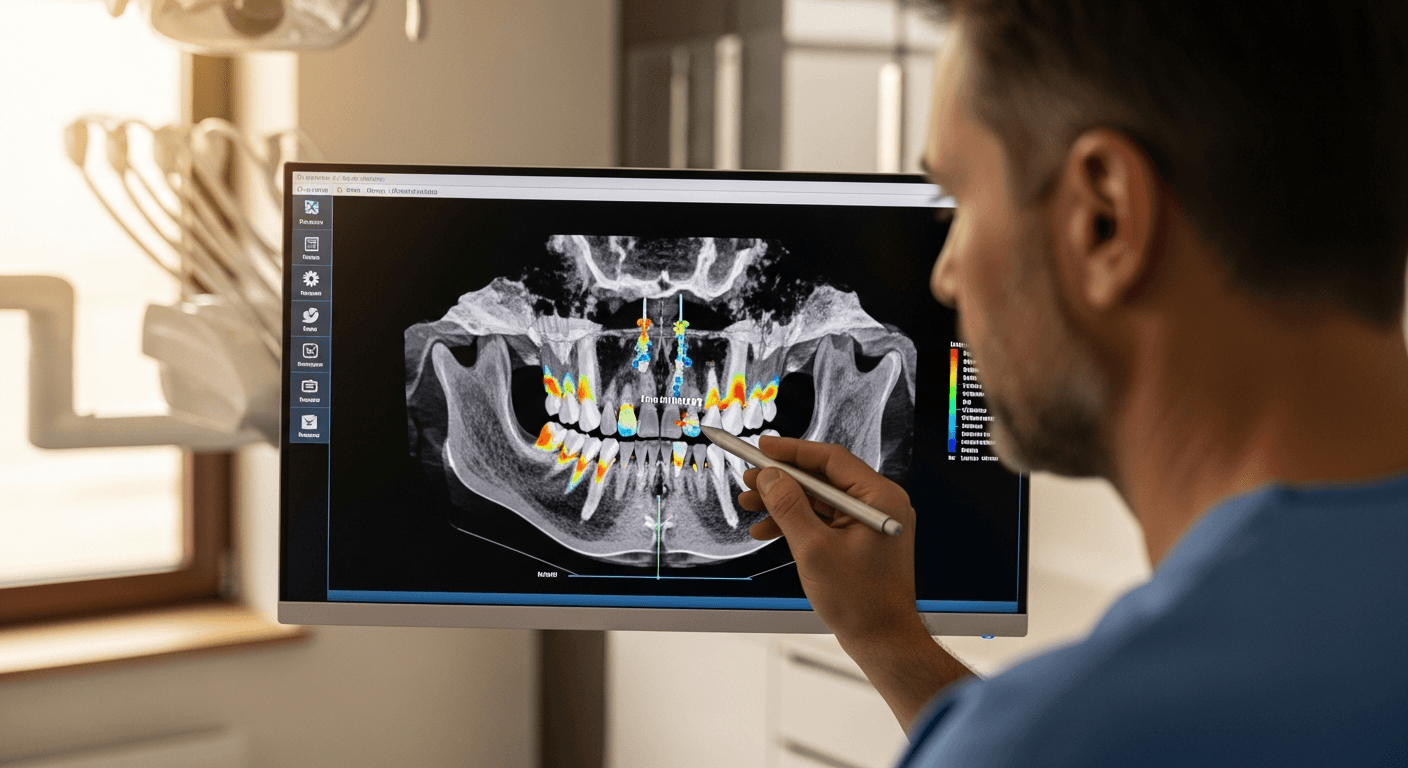
Depending on the treatment sequence, a try-in, provisional restoration, or other preview can help evaluate proposed tooth positions. Ask which changes can be made at that stage and which become difficult after the final restoration is produced. A preview is a communication tool, not a guarantee of the final result.
Look at the teeth in ordinary lighting and at conversational distance, not only in a close-up mirror. Speak aloud and describe any whistling, clicking, or feeling that the teeth crowd the tongue. Ask the restorative clinician to evaluate those concerns rather than assuming every change is something you must learn to tolerate.
A balanced design allows the bite to function and leaves a workable cleaning routine. Ask for a demonstration of how you would clean beneath fixed teeth or around overdenture attachments. If the proposed shape makes that unrealistic for your dexterity, discuss alternatives before accepting the design.
Coordinate Surgery With the Final Smile
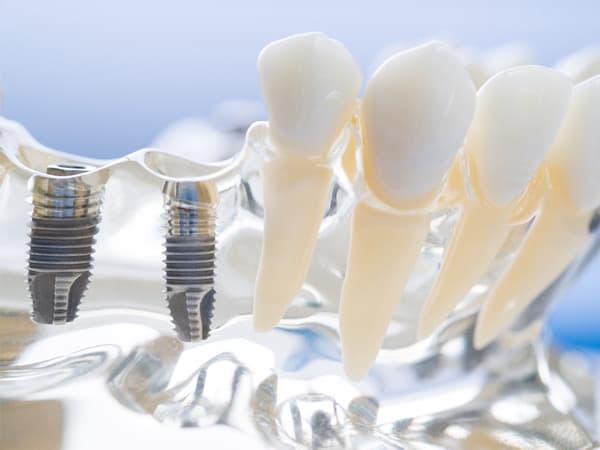
The ADA's implant overview describes how replacement teeth are customized for size, shape, color, and fit. Their final position should inform implant planning, not be left until after the implants are placed.
Compare snap-on dentures with fixed full-arch treatment in terms of facial support and maintenance as well as stability. Confirm which options the team recommends for your particular anatomy and who manages the restoration.
Ask what is included in the estimate: provisional teeth, try-ins, material selection, adjustments, and follow-up. Keep a record of agreed design preferences. The most useful consultation connects the smile you want with surgical feasibility and a restoration you can care for over time.
Frequently Asked Questions
Which implant denture material looks the most natural?
There is no universal winner. Tooth proportions, shade variation, surface finish, gum characterization, and fit with your face all affect the result alongside the material.
Do fixed teeth always look better than removable dentures?
No. A removable design can sometimes provide more suitable lip or tissue support. Both approaches can be personalized, and anatomy may favor one design over another.
Can I choose a whiter smile?
You can discuss your preferred shade, but it should be evaluated against your face, remaining teeth, and goals. A brighter shade is not automatically more natural-looking.
Will the artificial gum be visible?
That depends on lip movement, the amount of tissue being replaced, and the transition between the restoration and natural tissues. The team should evaluate the transition during smile planning.
Can I preview the teeth before they are final?
Ask which try-in or provisional stages are available within your plan. They may help refine appearance and function, but their scope and the changes possible depend on the treatment sequence.
Does permanent mean I will never need repairs?
No. Fixed means the teeth remain attached during everyday use. The restoration, attachments, or other components can require professional maintenance, repair, or replacement.
Bring Your Smile Preferences Into the Treatment Plan
Request a consultation with Dr. Antipov in Roseville to discuss implant support and coordination with the restorative team. Bring photographs and questions about fixed versus removable options.
Discuss Your Options