Redoing Dental Implants Done Abroad: A Plan
Medically reviewed by Dr. Alexander V. Antipov, DDS — Board-Certified Oral & Maxillofacial Surgeon · Diplomate, American Board of Oral & Maxillofacial Surgery (ABOMS) · California Dental License #50724
Dental implants placed abroad that hurt, loosen, or do not fit right can be redone with a clear, staged recovery plan, explains Dr. Alexander Antipov, a board-certified oral and maxillofacial surgeon in Roseville, CA. Many patients travel overseas to save money, and some have a good experience — but others return home with problems and little support to fix them. If that is your situation, there is a clear path forward.
This article is for general education — consult a qualified oral surgeon for a personalized recommendation.
Why Overseas Work Sometimes Needs Redoing
Distance is the core challenge. When complications appear after you return home, the original provider is no longer reachable for follow-up care. Common problems patients bring back include implants placed in poor positions, infection that developed after returning home, bites that were never properly balanced, and full-arch bridges made from materials that crack. For more on what can go wrong, see our guide to dental implant complications.
| Step | What Happens |
|---|---|
| 1. Complete assessment | Clinical exam, 3D imaging, and a review of records to document what is going wrong |
| 2. Stabilize and treat infection | Control any infection before rebuilding begins |
| 3. Rebuild the foundation | Grafting or a sinus lift where bone was lost, then healing |
| 4. Replace and restore | New implants with corrected planning and a balanced bite |
Step One: A Complete Assessment
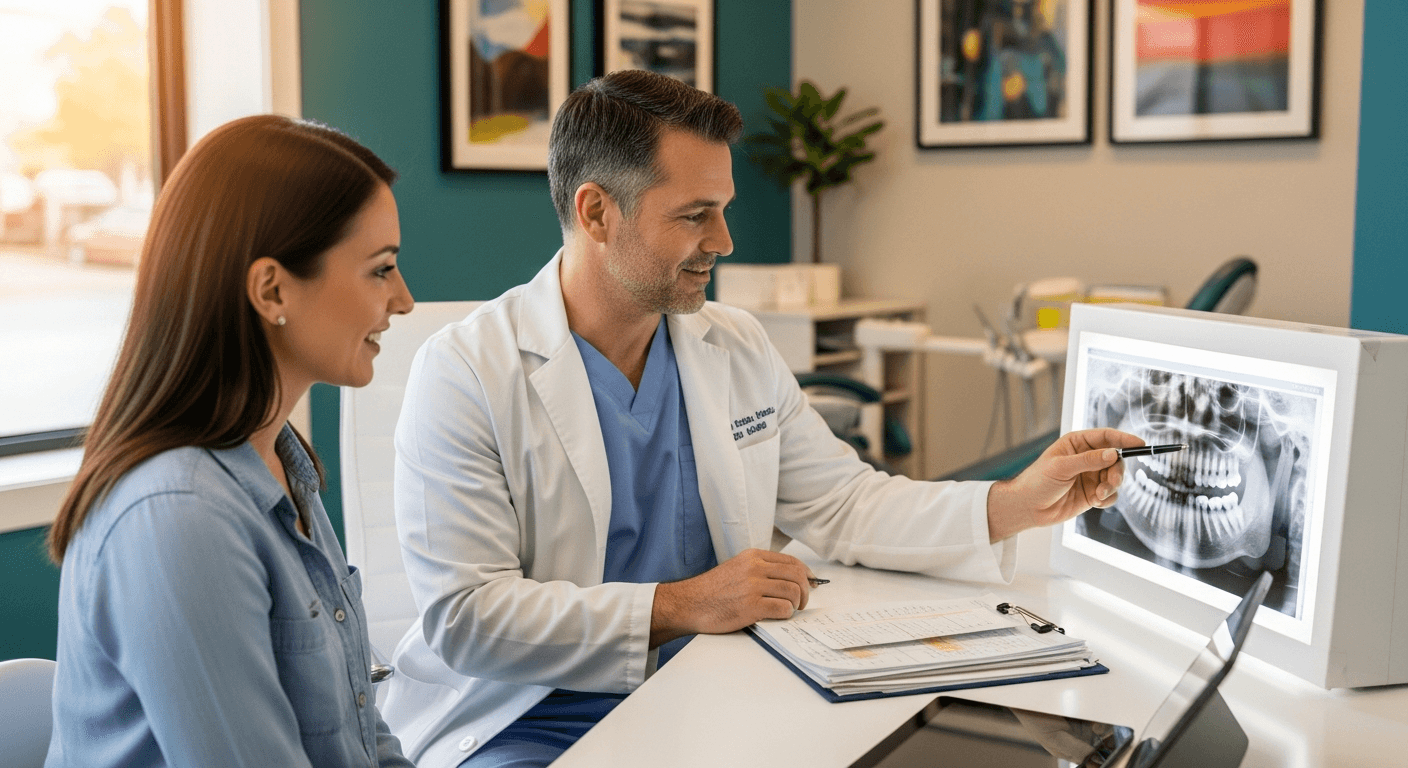
The recovery plan begins with a full evaluation, because guessing leads to repeat problems. This stage documents exactly what was done and what is going wrong, including:
- — A clinical exam of every implant and the bite
- — 3D imaging to check implant position and bone
- — A review of any records you have from abroad
- — A written summary of what can be saved and what cannot
Step Two: Stabilize and Treat Infection
If there is active infection or inflammation, it must be controlled before any rebuilding begins. Treating infection protects the bone you still have and prevents further loss. This may involve cleaning the affected sites, treating the gums, and removing any implant that cannot be saved.
Step Three: Rebuild the Foundation
Once the mouth is healthy, the focus shifts to rebuilding. Sites that lost bone are restored before new implants go in. Treatment may include:
- — Bone grafting to rebuild lost volume
- — A sinus lift for upper back teeth
- — A healing period for grafts to mature
Step Four: Replace and Restore
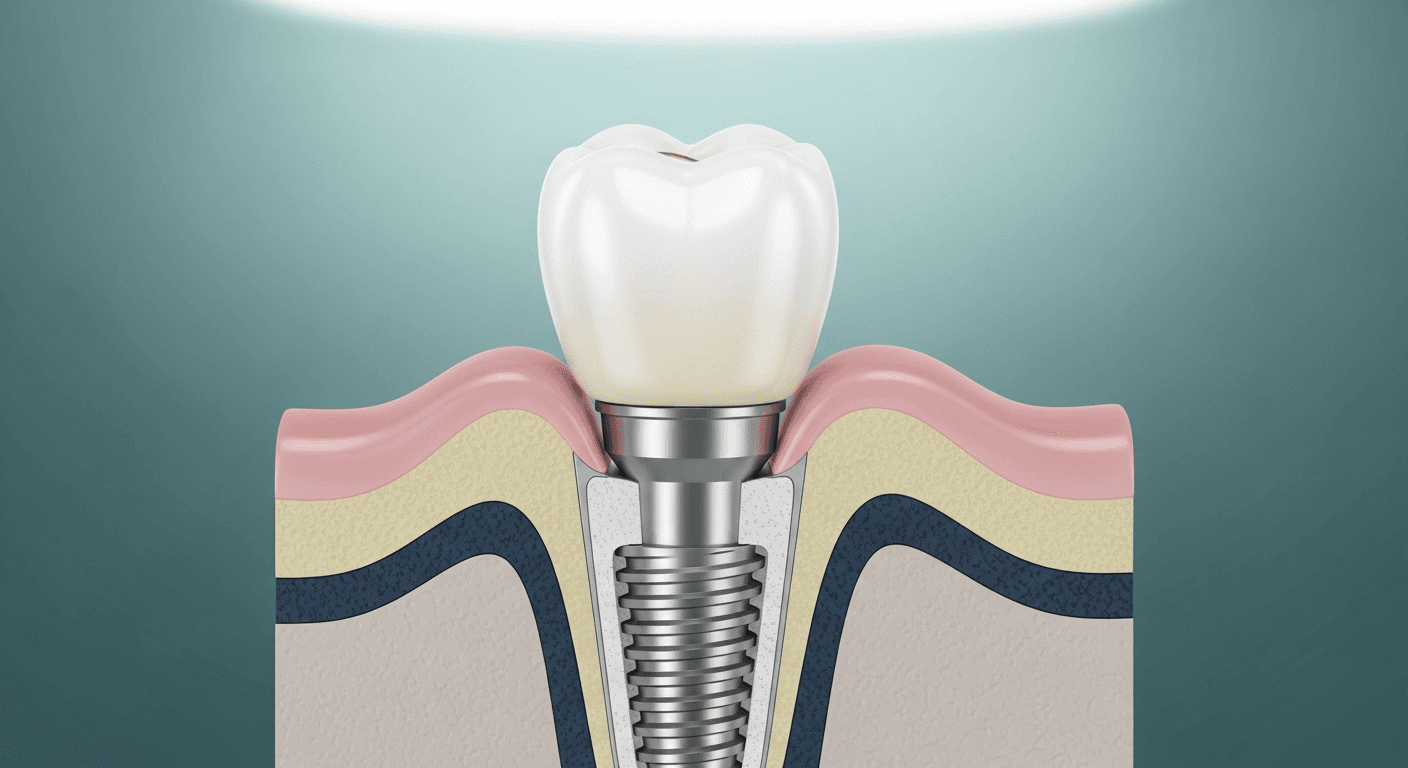
With a healthy foundation, new implants are placed using corrected planning, and a well-designed restoration is fitted on top. The bite is balanced carefully so the new work lasts, and temporaries keep you comfortable throughout — you are never without teeth.
Frequently Asked Questions
Can my overseas implants be saved?
Some can, if they are well placed and healthy. Others need replacing. A full assessment gives the answer.
Why does overseas implant work sometimes need redoing?
Distance is the core challenge — when complications appear after you return home, the original provider is no longer reachable. Common problems include poor implant position, infection, an unbalanced bite, and bridges made from materials that crack.
What is the first step in redoing the work?
A complete assessment: a clinical exam of every implant and the bite, 3D imaging, a review of any records from abroad, and a written summary of what can be saved.
Is infection treated before rebuilding?
Yes. Any active infection or inflammation is controlled first to protect the bone you still have and prevent further loss.
How long does redoing the work take?
It varies. Cases needing grafting can take six to nine months, while simpler corrections are faster.
Will I have to start completely over?
Not always. The goal is to keep what is healthy and rebuild only what is failing.
Implants from abroad giving you trouble?
Dr. Antipov assesses honestly and rebuilds for the long term. Book a consultation at our Roseville practice to start your recovery plan.
Book a Free Consultation