Zygomatic Implants: When You Need Them and How They Work
Medically reviewed by Dr. Alexander V. Antipov, DDS— Board-Certified Oral & Maxillofacial Surgeon · Diplomate, American Board of Oral & Maxillofacial Surgery (ABOMS) · California Dental License #50724
Zygomatic implants are long implants anchored in the cheekbone (zygoma) that make fixed teeth possible when there is not enough bone in the upper jaw for conventional implants. At the practice of Dr. Alexander Antipov, a board-certified oral & maxillofacial surgeon in Roseville, CA, they are used as a distinct approach for complex cases where standard protocols and bone grafting fall short — not simply a “better alternative.”
This article is for general education and is not a substitute for a personalized evaluation by a qualified oral surgeon.
What They Are and Where They’re Placed
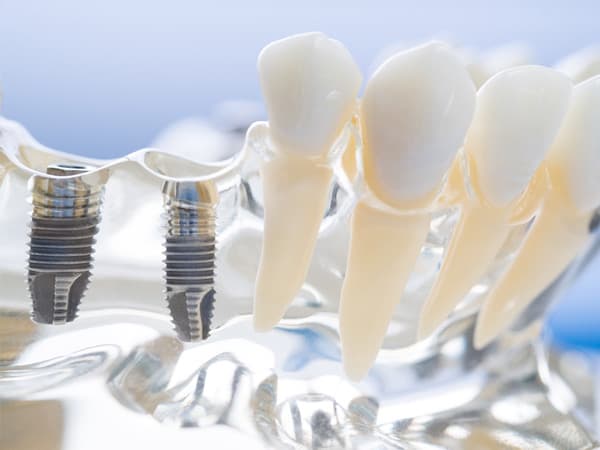
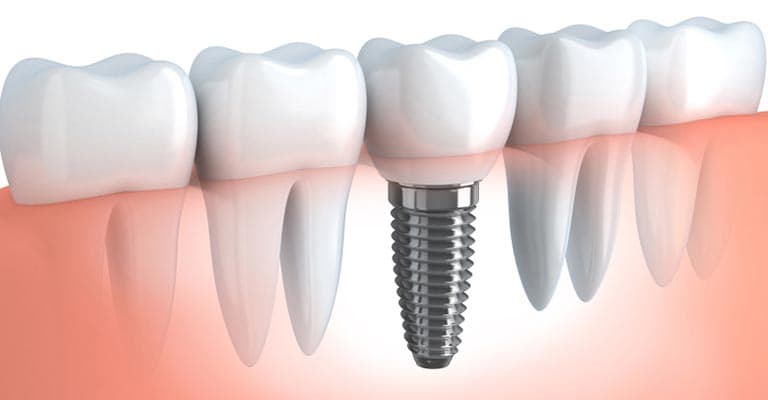
A conventional dental implant is a titanium screw 8–13 millimeters long, placed into the alveolar ridge of the jaw. When teeth have been missing for years, that ridge atrophies. In the lower jaw, the loss is rarely critical. In the upper jaw, the combination of atrophy plus the maxillary sinus above often leaves too little bone for conventional implant placement.
Zygomatic implantssolve this differently. They are long (30–55 mm) implants that anchor not in the upper jaw, but in the zygomatic bone (the cheekbone)— a dense, robust structure of the facial skeleton that does not undergo atrophy. One or two zygomatic implants combined with several conventional implants in the front of the jaw provide the foundation for a complete fixed prosthesis.
| Feature | Conventional Implant | Zygomatic Implant |
|---|---|---|
| Length | 8–13 mm | 30–55 mm |
| Anchor site | Alveolar ridge of the jaw | Zygomatic bone (cheekbone) |
| Affected by upper-jaw atrophy | Yes — needs adequate ridge bone | No — cheekbone does not atrophy |
| Typical use | Routine implant cases | Severe upper-jaw bone loss |
When Zygomatic Implants Are the Right Choice
Not every patient with bone loss needs them. Typical indications include:
- — Severe upper-jaw atrophy (often after years of denture wear or 10+ years since tooth loss).
- — Failed prior bone grafting or unsuccessful sinus lift.
- — A desire to avoid staged treatment(the conventional path: bone graft → 6–9 months → implants → 4–6 months → prosthesis).
- — Post-oncology or post-traumatic anatomy in which normal jaw structure is disrupted.
- — Age or general health that makes multiple separate procedures inadvisable.
How the Procedure Works
- 3D CT and virtual planning.The scan reveals the density of the zygoma, the location of the sinus and nerves. The surgeon plots each implant’s trajectory in software before surgery.
- Anesthesia.IV sedation or general anesthesia — the patient has no memory of the procedure and no discomfort during surgery.
- Implant placement.The surgeon enters through the gum, forms the channel in the zygomatic bone using a navigation guide, and seats the implant at the precise angle. The operation takes 2–4 hours depending on complexity.
- Same-day temporary teeth.If primary stability is sufficient (≥35 Ncm), an immediate-load prosthesis is secured the same day.
- Healing and the final prosthesis.4–6 months of osseointegration, then fabrication and placement of the definitive prosthesis.
Recovery
Most patients return to work within 5–7 days. The first two weeks call for a soft diet, reduced physical activity, and meticulous oral hygiene. Follow-up visits are scheduled at day 7, day 30, day 90, and the 6-month mark. Full osseointegration takes 4–6 months, but temporary teeth make that interval comfortable in terms of eating and social life.
Who Performs It
Zygomatic implants require a fellowship-trained oral & maxillofacial surgeon. This is not a general-dentistry procedure. Dr. Antipov is:
- — A Diplomate of the American Board of Oral & Maxillofacial Surgery (ABOMS).
- — Fellowship-trained in advanced implantology and upper-jaw reconstruction.
- — 25+ years of board-certified practice and 10,000+ smiles restored.
- — Accepting patients from other states and countries for zygomatic cases (Roseville, CA is 30 minutes from Sacramento International Airport).
Frequently Asked Questions
What is the difference between zygomatic implants and conventional implants?
Conventional dental implants are placed in the 8–13 mm-tall alveolar ridge of the jaw. Zygomatic implants are long (30–55 mm) implants anchored in the zygoma — the cheekbone. They are used when the upper jaw is simply not there: too thin, or too resorbed. The cheekbone is much denser and does not atrophy, so it provides reliable support even in the most complex cases.
Can I get temporary teeth the same day?
Yes, in most cases. Zygomatic implants are designed for immediate loading — high primary stability allows a temporary prosthesis to be secured right away. The final restoration is fabricated after 4–6 months of healing.
Does it hurt? What anesthesia is used?
Surgery is performed under IV sedation or general anesthesia. You will have no memory of the procedure. Post-operative discomfort is typically moderate and well controlled with standard pain medication for 3–5 days.
Who is not a candidate for zygomatic implants?
Active sinusitis, severe systemic conditions, uncontrolled diabetes, and active high-dose bisphosphonate therapy are all contraindications. Smoking significantly increases the risk of failure. The full list of contraindications is discussed at consultation after a CT scan.
How much does it cost?
Zygomatic implants are more expensive than conventional implants, but in most cases the total cost is lower — and the timeline is much shorter — than staged bone grafting + sinus lift + conventional implants. Exact pricing is determined after a CT scan, with most full-arch zygomatic cases falling in the $35,000–$60,000 range. Financing from $99/month is available.
What is recovery like after zygomatic implant surgery?
Most patients experience moderate swelling and discomfort for the first several days, managed with standard pain medication. A soft-food diet, good oral hygiene, and follow-up visits support healing, with the final restoration placed after about 4–6 months of integration.
Sources & References
Peer-reviewed and authoritative references supporting the information in this article.
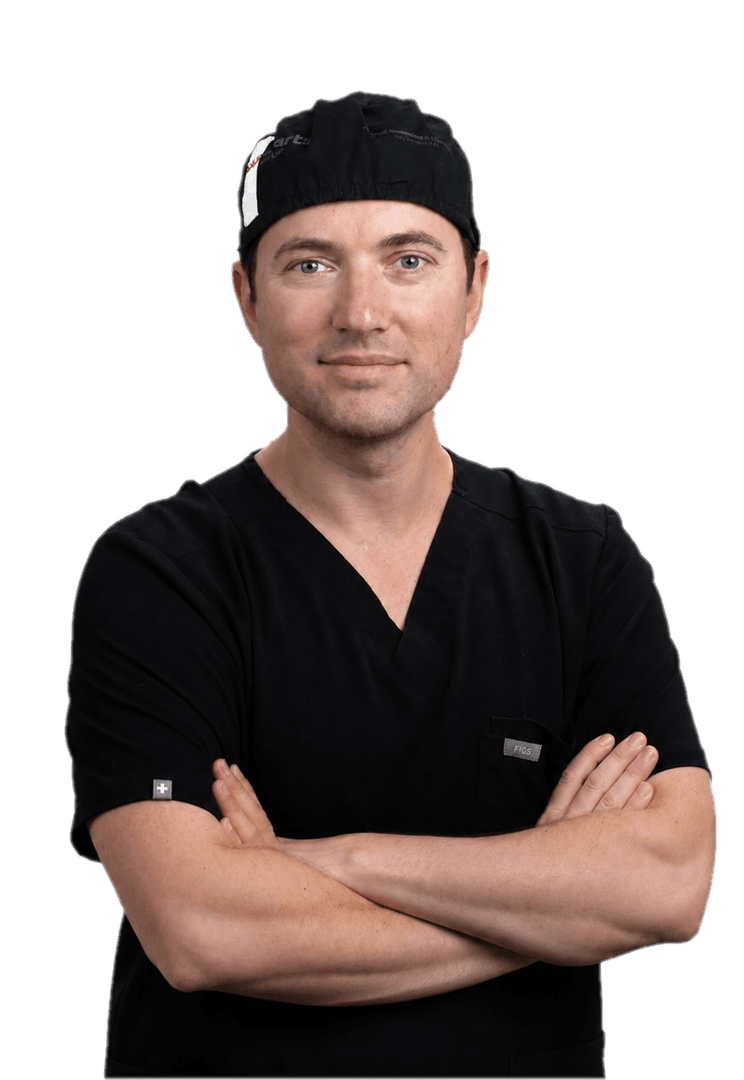
Dr. Alexander V. Antipov
Board-certified oral and maxillofacial surgeon specializing in dental implants, full-arch restoration, zygomatic implants, and corrective jaw surgery. Serving patients throughout Northern California and beyond.
Find Out If Zygomatic Implants Are Right for You
An accurate recommendation is only possible after an in-person exam and a 3D CT scan. The consultation is complimentary. A patient coordinator will call back within 24 hours and explain what to prepare.