The Hidden Emotional Toll of Tooth Loss: Facts & Care: Understanding Patient Struggles
Medically reviewed by Dr. Alexander V. Antipov, DDS— Board-Certified Oral & Maxillofacial Surgeon · Diplomate, American Board of Oral & Maxillofacial Surgery (ABOMS) · California Dental License #50724
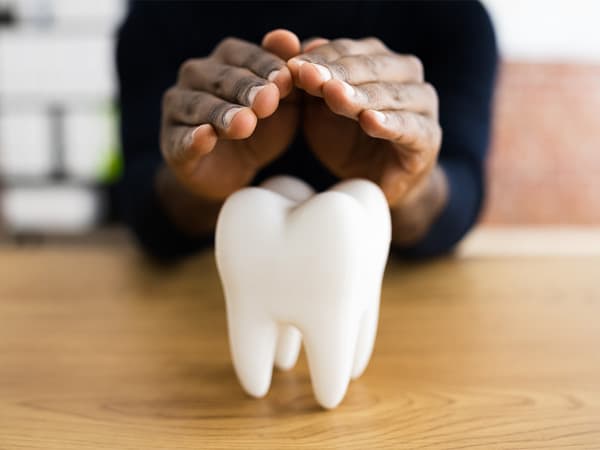
Tooth loss can profoundly affect a person’s emotional well-being, self-esteem, and quality of life — not just their ability to chew and speak. At the practice of Dr. Alexander Antipov, a board-certified oral & maxillofacial surgeon in Roseville, CA, we see how addressing both the functional and emotional sides of tooth loss helps patients regain confidence along with their smile.
This article is for general education and is not a substitute for personalized medical or mental-health advice from a qualified professional.
Losing a tooth is more than just a physical change. It can profoundly affect a person's emotional well-being, self-esteem, and quality of life. Understanding these emotional impacts is crucial for both patients and healthcare providers.
The Four Stages of the "Denture Journey"
A groundbreaking study from the University of Sheffield identified four distinct emotional stages that patients experience when dealing with tooth loss and denture use:
| Stage | What Patients Experience |
|---|---|
| 1. Initial Shock and Grief | The realization of tooth loss often triggers feelings similar to grief, including denial, sadness, and a sense of loss that extends beyond the physical tooth itself. |
| 2. Emotional Turmoil and Self-Consciousness | As patients adapt to dentures or live with missing teeth, many become acutely self-conscious about their appearance, with anxiety about social interactions and fear of judgment. |
| 3. Hope Through Prosthetic Solutions | When patients explore treatment options like dental implants or improved dentures, hope begins to emerge — a turning point toward emotional recovery. |
| 4. Adaptation and Disclosure Management | Patients learn to manage their condition, deciding when and how to disclose their tooth loss. Successful treatment often leads to renewed confidence and improved quality of life. |
Psychological Impacts of Tooth Loss
Decreased Self-Esteem
Missing teeth can significantly impact how people view themselves. Many patients report feeling older, less attractive, and less confident in professional and social settings.
Social Anxiety
Fear of embarrassment often leads patients to avoid social gatherings, smile less frequently, and withdraw from activities they once enjoyed. This social isolation can contribute to depression and loneliness.
Speech and Nutritional Challenges
Beyond the emotional impact, tooth loss affects practical aspects of daily life. Difficulty speaking clearly and limitations in diet can further diminish quality of life and self-confidence.
Body Image Issues
The visible nature of tooth loss makes it particularly distressing. Unlike other health conditions that can be hidden, missing teeth are often immediately noticeable during conversation and smiling.
Coping Strategies
If you're struggling with the emotional impact of tooth loss, consider these strategies:
- Seek Support: Talk to friends, family, or a mental health professional about your feelings
- Join Support Groups: Connect with others who understand your experience
- Practice Self-Care: Prioritize activities that boost your mood and well-being
- Explore Treatment Options: Modern solutions like dental implants can restore both function and confidence
- Practice Self-Compassion: Remember that tooth loss is a common experience and doesn't define your worth
The Role of Dental Implants in Emotional Recovery
Dental implants offer more than just functional restoration. By providing a permanent, natural-looking solution, they can significantly improve self-esteem, reduce social anxiety, and restore quality of life. Many patients report feeling "like themselves again" after implant treatment.
A Holistic Approach to Care
At our practice, we recognize that dental care extends beyond physical treatment. We take a compassionate, holistic approach that addresses both the functional and emotional aspects of tooth loss. Our goal is to help you regain not just your smile, but your confidence and quality of life.
Frequently Asked Questions
What are the emotional stages of tooth loss?
Research from the University of Sheffield describes four emotional stages: initial shock and grief, emotional turmoil and self-consciousness, hope through prosthetic solutions, and adaptation with disclosure management. Understanding these stages helps patients and providers respond with more compassion.
Can tooth loss affect mental health?
Yes. Tooth loss can lower self-esteem, increase social anxiety, and lead to withdrawal from activities, which may contribute to depression and loneliness. Many patients report feeling older and less confident in professional and social settings.
Why is tooth loss so emotionally distressing?
Unlike many health conditions that can be hidden, missing teeth are often immediately noticeable during conversation and smiling. This visible nature, combined with effects on speech and diet, makes tooth loss particularly distressing.
How can I cope with the emotional impact of tooth loss?
Helpful strategies include seeking support from friends, family, or a mental health professional, joining support groups, practicing self-care and self-compassion, and exploring treatment options such as dental implants that can restore both function and confidence.
Can dental implants improve confidence after tooth loss?
Dental implants offer more than functional restoration. By providing a permanent, natural-looking solution, they can significantly improve self-esteem, reduce social anxiety, and restore quality of life, with many patients reporting they feel like themselves again.
Does tooth loss affect speech and eating?
Yes. Beyond the emotional impact, tooth loss can make it harder to speak clearly and can limit the diet, which can further diminish quality of life and self-confidence.
Sources & References
Peer-reviewed and authoritative references supporting the information in this article.

Dr. Alexander V. Antipov
Board-certified oral and maxillofacial surgeon specializing in dental implants, full-arch restoration, and corrective jaw surgery. Committed to providing compassionate, patient-centered care.
Ready to Restore Your Confidence?
Let's discuss how we can help you overcome the challenges of tooth loss