The Hidden Link: How Poor Oral Health Can Lead to Cancer and Systemic Diseases
Medically reviewed by Dr. Alexander V. Antipov, DDS— Board-Certified Oral & Maxillofacial Surgeon · Diplomate, American Board of Oral & Maxillofacial Surgery (ABOMS) · California Dental License #50724

Poor oral health is linked to serious systemic conditions — including cardiovascular disease, diabetes, respiratory infections, and several cancers — because inflammation and bacteria from the gums can affect the entire body, explains Dr. Alexander Antipov, a board-certified oral & maxillofacial surgeon in Roseville, CA. Below is how the mouth connects to overall health, and the steps that protect both.
This article is for general education — consult a qualified oral surgeon or your physician for advice tailored to your situation.
Important Health Connection
Oral health is often overlooked in the grand scheme of overall wellness, but emerging research reveals a profound connection between the health of your mouth and the health of your entire body.
Understanding the Oral-Systemic Connection
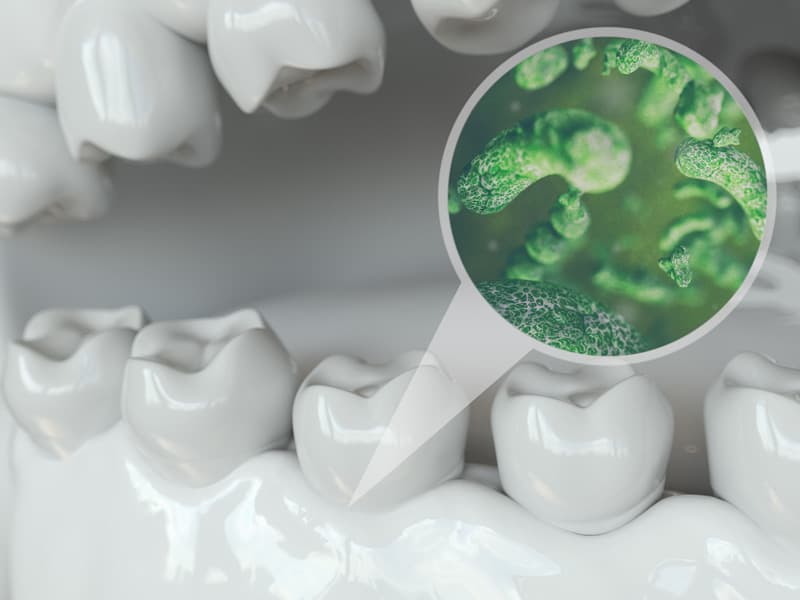
Your mouth is home to billions of bacteria, most of which are harmless. However, when oral hygiene is neglected, harmful bacteria can multiply and cause inflammation in the gums. This inflammation can allow bacteria to enter the bloodstream, potentially affecting other parts of your body.
| Condition | Link to oral health |
|---|---|
| Colorectal cancer | Oral bacterium F. nucleatum found in colorectal tumors |
| Pancreatic cancer | Periodontal disease linked to higher risk |
| Head & neck cancer | Chronic oral inflammation may increase susceptibility |
| Cardiovascular disease | Oral bacteria contribute to atherosclerosis, heart attack, stroke |
| Diabetes | Bidirectional — gum disease worsens blood sugar control |
| Respiratory infections | Aspirated oral bacteria can cause pneumonia, worsen COPD |
| Pregnancy complications | Linked to premature birth, low birth weight, preeclampsia |
"Both dentists and physicians can benefit from being more familiar with the oral manifestations of systemic disease and the oral diseases that influence systemic health." - Dr. Jennifer Webster-Cyriaque
The Cancer Connection
Recent studies have uncovered alarming links between poor oral health and various types of cancer:
Colorectal Cancer
Research has identified a specific oral bacterium, Fusobacterium nucleatum, that has been found in colorectal tumors. This bacterium, commonly associated with gum disease, may play a role in tumor development and progression.
Pancreatic Cancer
Studies have shown that individuals with periodontal disease have a higher risk of developing pancreatic cancer. The chronic inflammation associated with gum disease may contribute to this increased risk.
Head and Neck Cancer
Poor oral hygiene and chronic inflammation in the mouth create an environment that may increase susceptibility to cancers of the mouth, throat, and neck.
Other Systemic Diseases Linked to Oral Health
Cardiovascular Disease
The connection between gum disease and heart disease is well-established. Bacteria from infected gums can enter the bloodstream and contribute to:
- • Atherosclerosis (hardening of arteries)
- • Increased risk of heart attack
- • Higher likelihood of stroke
- • Endocarditis (infection of heart's inner lining)
Diabetes
The relationship between diabetes and oral health is bidirectional. Diabetes makes individuals more susceptible to gum disease, while severe gum disease can make it harder to control blood sugar levels, creating a dangerous cycle.
Respiratory Infections
Bacteria from periodontal disease can be aspirated into the lungs, potentially causing respiratory infections, pneumonia, and exacerbating chronic conditions like COPD.
Pregnancy Complications
Pregnant women with gum disease face increased risks of premature birth, low birth weight babies, and preeclampsia.
The Role of Chronic Inflammation
The common thread linking oral health to systemic diseases is chronic inflammation. When gums are inflamed due to bacterial infection, inflammatory markers increase throughout the body. This systemic inflammation can trigger or worsen various health conditions.
"Cancer treatment can cause or exacerbate problems in the mouth, and oral health problems can make cancer treatment more difficult." - Dr. Xi Chen
Startling Statistics
People globally affected by oral diseases
Of oral health conditions are preventable
Prevention is Key
The good news is that most oral health problems are preventable. Here's how to protect both your oral and overall health:
Maintain Excellent Oral Hygiene
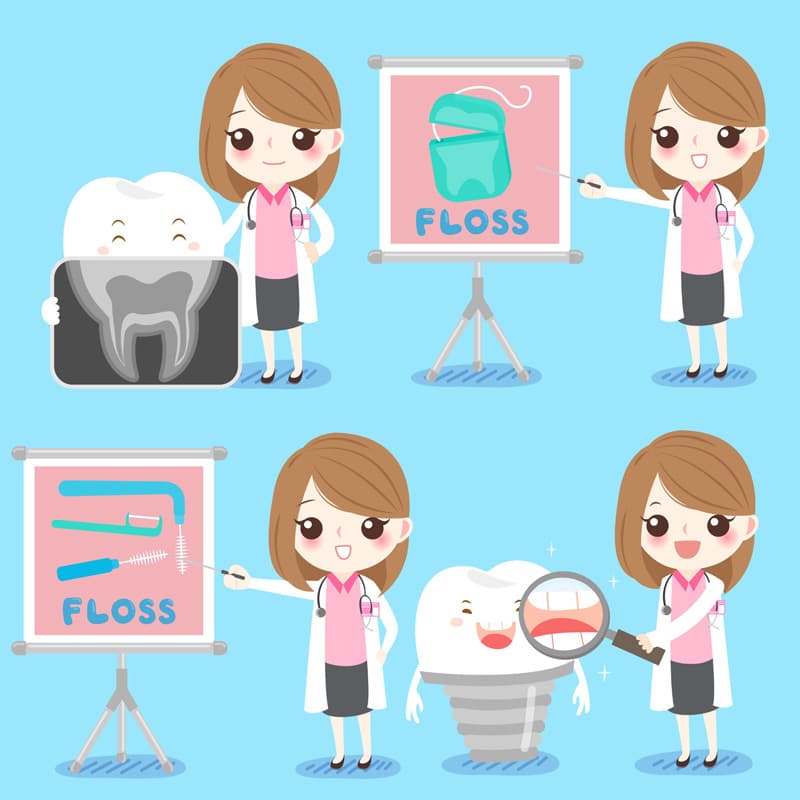
Brush twice daily, floss daily, and use an antimicrobial mouthwash to reduce harmful bacteria.
Regular Dental Check-ups
Schedule professional cleanings and examinations at least twice a year to catch problems early.
Don't Ignore Warning Signs
Bleeding gums, persistent bad breath, and loose teeth are red flags that require immediate attention.
Manage Chronic Conditions
If you have diabetes or other chronic diseases, work closely with both your physician and dentist.
Healthy Lifestyle Choices
Avoid tobacco, limit alcohol, eat a balanced diet, and manage stress to support overall health.
Conclusion
Your oral health is a window into your overall health. By maintaining good oral hygiene and seeking regular dental care, you're not just protecting your smile—you're safeguarding your entire body against serious diseases. Don't wait until problems arise; take proactive steps today to ensure a healthier tomorrow.
Frequently Asked Questions
Can poor oral health cause cancer?
Research has uncovered links between poor oral health and several cancers. The oral bacterium Fusobacterium nucleatum, commonly associated with gum disease, has been found in colorectal tumors, and people with periodontal disease have a higher risk of pancreatic cancer. Chronic oral inflammation may also increase susceptibility to head and neck cancers.
How does gum disease affect the heart?
The connection between gum disease and heart disease is well-established. Bacteria from infected gums can enter the bloodstream and contribute to atherosclerosis (hardening of the arteries), an increased risk of heart attack, a higher likelihood of stroke, and endocarditis.
What is the link between diabetes and oral health?
The relationship is bidirectional. Diabetes makes individuals more susceptible to gum disease, while severe gum disease can make it harder to control blood sugar levels, creating a dangerous cycle.
Can oral bacteria cause respiratory infections?
Yes. Bacteria from periodontal disease can be aspirated into the lungs, potentially causing respiratory infections and pneumonia and exacerbating chronic conditions like COPD.
Does oral health affect pregnancy?
It can. Pregnant women with gum disease face increased risks of premature birth, low birth weight babies, and preeclampsia.
How can I protect my oral and overall health?
Brush twice daily, floss daily, and use an antimicrobial mouthwash; schedule professional cleanings and exams at least twice a year; don't ignore warning signs like bleeding gums, persistent bad breath, or loose teeth; manage chronic conditions with your physician and dentist; and avoid tobacco, limit alcohol, and eat a balanced diet.
Sources & References
Peer-reviewed and authoritative references supporting the information in this article.

Dr. Alexander V. Antipov
Board-certified oral and maxillofacial surgeon dedicated to comprehensive patient care and education about the connection between oral and systemic health.
Protect Your Overall Health with Better Oral Care
Schedule a comprehensive oral health evaluation today