Understanding Sinus Lift for Dental Implants Guide
Medically reviewed by Dr. Alexander V. Antipov, DDS— Board-Certified Oral & Maxillofacial Surgeon · Diplomate, American Board of Oral & Maxillofacial Surgery (ABOMS) · California Dental License #50724
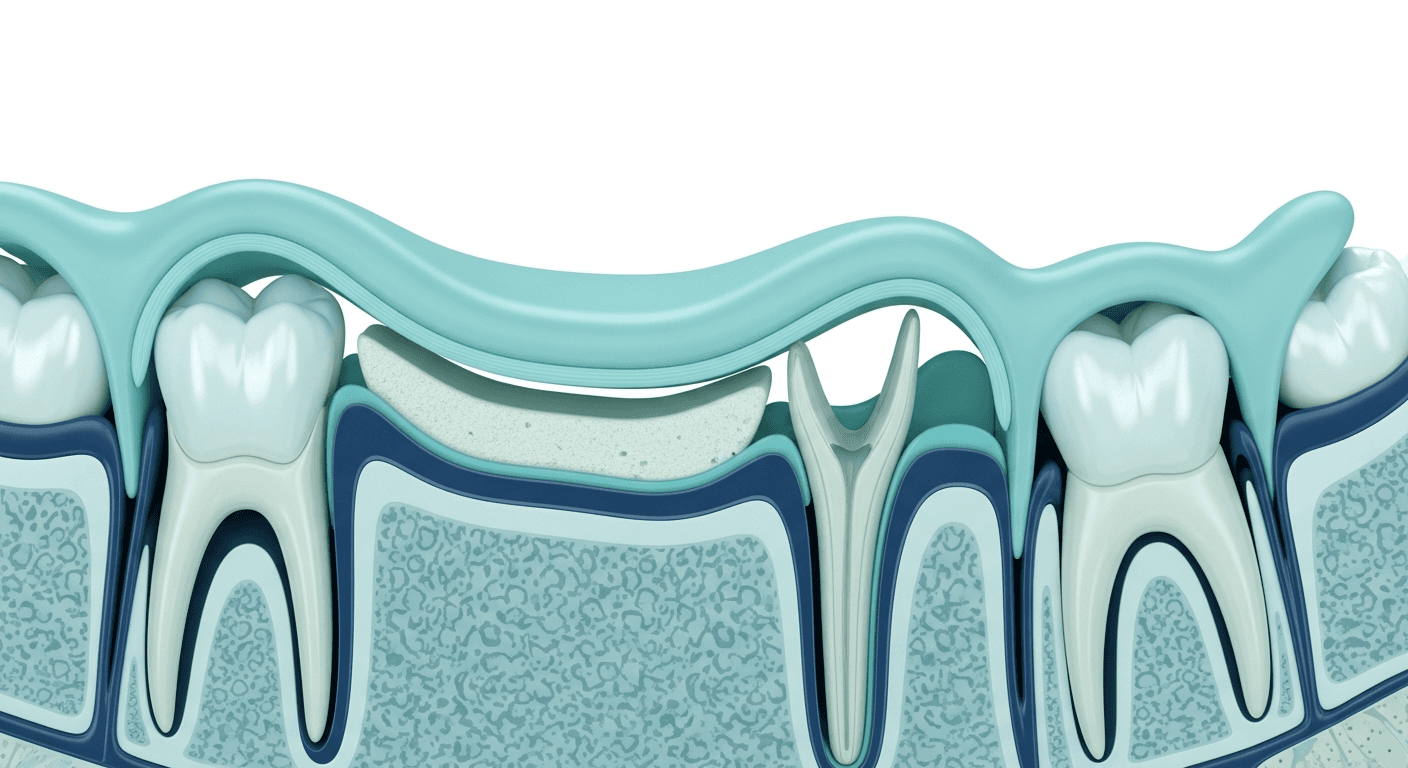
A sinus lift for dental implants is a surgical procedure that enhances bone volume in the upper jaw, enabling successful implant placement when there is not enough bone height near the molars and premolars. At the practice of Dr. Alexander Antipov, a board-certified oral & maxillofacial surgeon in Roseville, CA, a sinus lift is used to create a stronger foundation that improves the predictability and long-term results of upper-jaw implants.
This article is for general education and is not a substitute for a personalized evaluation by a qualified oral surgeon.
What Is a Sinus Lift?
A sinus lift is a surgical procedure designed to increase bone in the upper jaw near the maxillary sinuses. Because the sinus cavity sits above the upper back teeth, there may be limited space for an implant when bone volume is low. During a sinus lift, the sinus membrane is gently elevated and bone graft material is placed beneath it to build adequate bone height for implant support.
| Aspect | What to Expect |
|---|---|
| What it does | Increases bone volume in the upper jaw near the maxillary sinuses. |
| When it is recommended | When there is not enough bone height to support an implant safely. |
| How it works | The sinus membrane is gently elevated and bone graft material is placed beneath it. |
| Procedure time | Usually 1–2 hours, often with local anesthesia. |
| Healing | Several months as the graft integrates before implants are placed. |
How Is a Sinus Lift Performed?
While technique varies by case, a sinus lift often follows these general steps:
- Assessment. Your surgeon evaluates bone and sinus anatomy with X-rays or 3D imaging (CBCT).
- Anesthesia. Local anesthesia is used, and sedation may be offered depending on the plan.
- Accessing the sinus. A small opening is created in the bone to reach the sinus membrane.
- Adding bone material. Bone graft material is placed to increase bone volume.
- Healing. The area is closed and allowed to heal while the graft integrates.
When Is a Sinus Lift Necessary?
A sinus lift may be recommended when there is not enough upper jaw bone to support an implant. Common reasons include:
- — Insufficient bone height. Upper jaw bone can shrink after tooth loss, and the maxillary sinuses can expand over time, further reducing available bone height.
- — Gum disease. Chronic periodontal disease can lead to bone loss, affecting implant stability and requiring bone augmentation.
- — Previous extractions. If teeth were removed a long time ago, bone may have resorbed significantly, making additional bone support necessary before implants.
Benefits of a Sinus Lift
- — Increases bone volume. Builds the support needed for safe implant placement.
- — Improves implant success. More bone support increases stability and predictability.
- — Supports aesthetics and function. Proper implant placement can improve bite and facial support.
Risks and Considerations
As with any surgical procedure, there are potential risks, including infection, bleeding, sinus membrane perforation, or delayed healing. Careful planning, imaging, and experienced surgical technique help reduce these risks.
Recovery After a Sinus Lift
Post-operative care focuses on protecting the graft while it heals:
- — Rest. Avoid strenuous activity for several days.
- — Swelling control. Ice packs can help in the first 24–48 hours.
- — Pain management. Use prescribed medications as directed.
- — Follow-ups. Attend scheduled check-ups to monitor healing.
Healing typically takes several months as the graft integrates with the existing bone. Your provider will confirm readiness with imaging before moving forward with implant placement.
Preparing for a Sinus Lift
A consultation is essential. Your surgeon will review medical history, evaluate sinus and bone anatomy with imaging, and explain the procedure, risks, and expected timeline. If you are considering a more comprehensive fixed solution, you can also explore full-arch restoration options as part of your long-term plan.
Frequently Asked Questions
What is the recovery time after a sinus lift?
The recovery time after a sinus lift can vary, but it generally takes several months for the bone to heal properly before dental implants can be placed. Patients typically attend follow-up visits to monitor progress.
Is a sinus lift painful?
Most patients report mild discomfort after the procedure, which can usually be managed with prescribed pain medications. Local anesthesia helps minimize pain during the surgery itself.
How long does the sinus lift procedure take?
The sinus lift procedure usually takes about 1–2 hours, depending on the complexity of the case. Patients can often return home the same day.
Can anyone have a sinus lift?
Not everyone is a candidate for a sinus lift. Factors such as overall health, smoking habits, and bone quality are considered during the evaluation process.
What materials are used for bone grafting in a sinus lift?
Bone grafting materials can include autografts (the patient’s own bone), allografts (donor bone), or synthetic materials. The choice depends on the individual case and surgeon preference.
What happens if I don’t get a sinus lift?
If a sinus lift is needed but not performed, it may not be possible to place dental implants successfully. This could lead to further bone loss and potential complications.
Sources & References
Peer-reviewed and authoritative references supporting the information in this article.

Dr. Alexander V. Antipov
Board-certified oral and maxillofacial surgeon specializing in dental implants, full-arch restoration, zygomatic implants, and corrective jaw surgery. Serving patients throughout Northern California and beyond.
Find Out If You Need a Sinus Lift
An accurate recommendation is only possible after an in-person exam and 3D imaging. The consultation is complimentary. A patient coordinator will call back within 24 hours and explain what to prepare.