Surgical Wisdom Tooth Removal: Tooth Sectioning Guide
Medically reviewed by Dr. Alexander V. Antipov, DDS— Board-Certified Oral & Maxillofacial Surgeon · Diplomate, American Board of Oral & Maxillofacial Surgery (ABOMS) · California Dental License #50724
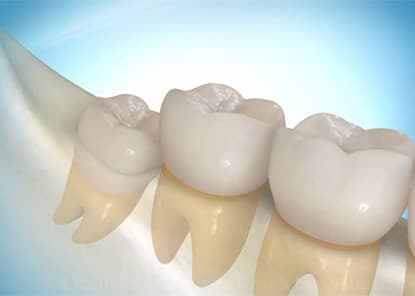
Surgical wisdom tooth removal is the procedure oral surgeons use to extract impacted wisdom teeth that cannot erupt on their own, often by dividing (sectioning) the tooth so each piece comes out through a smaller opening. At the practice of Dr. Alexander Antipov, a board-certified oral & maxillofacial surgeon in Roseville, CA, this technique makes impacted wisdom tooth removal safe, predictable, and far less traumatic than many people expect — minimizing pressure on the jawbone and surrounding tissue while allowing greater precision.
This article is for general education and is not a substitute for a personalized evaluation by a qualified oral surgeon.
Key Takeaways
- • Impacted means the tooth is trapped beneath gum or bone with no room to erupt.
- • Tooth sectioning divides the tooth so each piece comes out through a smaller opening.
- • The approach means less bone removal and less trauma than removing it whole.
- • 3D imaging guides the plan and protects nearby nerves and teeth.
What Is an Impacted Wisdom Tooth?
Wisdom teeth are the last permanent teeth to develop and typically erupt between the ages of 17 and 25. In many cases, there isn’t enough room in the jaw for them to fully emerge, so they remain partially or completely trapped beneath the gums or bone. This is known as an impacted wisdom tooth.
Impacted wisdom teeth can lead to several problems, including:
- — Pain and swelling
- — Gum infections
- — Damage to neighboring teeth
- — Tooth decay
- — Cysts or other complications
- — Difficulty cleaning the area
When these problems occur — or are likely to develop — surgical extraction is often recommended.
| Factor | Removing the Tooth Whole | Tooth Sectioning |
|---|---|---|
| Surgical opening | Larger | Smaller |
| Bone removal | Can require taking out excess bone | Less bone removal |
| Force on the jaw | May apply unnecessary force | More controlled extraction |
| Trauma & precision | More stress on surrounding structures | Reduced trauma and greater precision |
Why Isn’t the Tooth Removed in One Piece?
Many patients assume a wisdom tooth is simply pulled out. For impacted teeth, however, that is often neither possible nor ideal. Because the tooth is firmly surrounded by bone and soft tissue, removing it in one piece could require taking out excessive bone or applying unnecessary force to the jaw. Instead, oral surgeons frequently use tooth sectioning — dividing the tooth into smaller pieces so each section can be removed individually through a smaller opening, reducing trauma to the surrounding structures.
The Procedure, Step by Step
Every case is planned individually, but a surgical wisdom tooth removal generally follows these stages:
- — 1. Accessing the tooth: after the area is fully numbed (with sedation if appropriate), a small incision exposes the tooth, and a minimal amount of bone is removed only if needed for safe access.
- — 2. Sectioning the tooth: a specialized surgical handpiece divides the tooth into sections; the number depends on tooth position, root shape, bone density, and degree of impaction.
- — 3. Removing each section: the larger portions are elevated and removed first, then the remaining sections one at a time — giving the surgeon control and minimizing stress on the jaw.
- — 4. Root tip removal: any remaining root tips are carefully located and extracted, protecting healthy bone and nearby anatomy.
- — 5. Cleaning the site: the socket is irrigated to remove debris and prepare the area for healing.
- — 6. Suturing: the gum tissue is repositioned and secured with sutures to protect the site, control bleeding, and support healing. Sutures may dissolve on their own or be removed at a follow-up.
What Happens After Surgery?
Most patients experience some swelling, mild discomfort, and limited jaw stiffness during the first few days. Your oral surgeon may recommend prescription or over-the-counter pain medication, ice packs during the first 24 hours, soft foods, plenty of fluids, and gentle oral hygiene around the surgical site. If appropriate, antibiotics may be prescribed to reduce infection risk. Following your post-operative instructions carefully is one of the most important factors in a smooth recovery.
Is Tooth Sectioning Safe?
Yes. Tooth sectioning is a well-established oral surgery technique used every day by experienced surgeons around the world. Although dividing the tooth into smaller pieces may sound more complicated, it is often the safest and least traumatic method for removing impacted wisdom teeth, because it allows:
- — Smaller surgical openings
- — Less bone removal
- — More controlled extraction
- — Reduced stress on surrounding teeth
- — Greater surgical precision
When Should Impacted Wisdom Teeth Be Removed?
Not every wisdom tooth needs to be extracted. However, removal is often recommended when impacted teeth are causing pain, infection, damage to neighboring teeth, or other oral health concerns. A comprehensive examination — including digital X-rays or 3D imaging — allows your oral surgeon to determine whether surgical removal is the best option for your situation.
Frequently Asked Questions
What is an impacted wisdom tooth?
An impacted wisdom tooth is one that cannot fully emerge because there isn’t enough room in the jaw, so it stays partially or completely trapped beneath the gums or bone. Impaction can cause pain, swelling, gum infections, decay, damage to neighboring teeth, and cysts.
Why isn’t the wisdom tooth removed in one piece?
Because an impacted tooth is firmly surrounded by bone and tissue, removing it whole could require taking out excess bone or applying unnecessary force. Surgeons instead use tooth sectioning — dividing the tooth into smaller pieces that come out through a smaller opening with less trauma.
Is tooth sectioning safe?
Yes. Tooth sectioning is a well-established oral surgery technique used every day worldwide. Dividing the tooth allows smaller surgical openings, less bone removal, more controlled extraction, and greater precision, making it one of the safest and least traumatic ways to remove impacted wisdom teeth.
What is recovery like after surgical wisdom tooth removal?
Most patients have some swelling, mild discomfort, and limited jaw stiffness for the first few days. Pain medication, ice packs in the first 24 hours, soft foods, plenty of fluids, gentle oral hygiene, and sometimes antibiotics support healing. Following post-op instructions is key to a smooth recovery.
When should impacted wisdom teeth be removed?
Not every wisdom tooth needs removal, but extraction is often recommended when impacted teeth cause pain, infection, damage to neighboring teeth, or other oral health concerns. A comprehensive exam with digital X-rays or 3D imaging determines whether surgery is the best option.
How is a wisdom tooth divided during sectioning?
A specialized surgical handpiece divides the tooth into sections, and the number of pieces depends on the tooth’s position, root shape, bone density, and degree of impaction. The larger portions are elevated and removed first, followed by the remaining sections one at a time to keep the extraction controlled.
Sources & References
Peer-reviewed and authoritative references supporting the information in this article.

Dr. Alexander V. Antipov
Board-certified oral and maxillofacial surgeon in Roseville, CA, performing full-scope oral surgery including wisdom tooth removal, dental implants, and corrective jaw surgery. Serving the greater Sacramento region.