Dental Implants After Extraction: Timing & Options: Timing, Healing, and Options
Medically reviewed by Dr. Alexander V. Antipov, DDS— Board-Certified Oral & Maxillofacial Surgeon · Diplomate, American Board of Oral & Maxillofacial Surgery (ABOMS) · California Dental License #50724
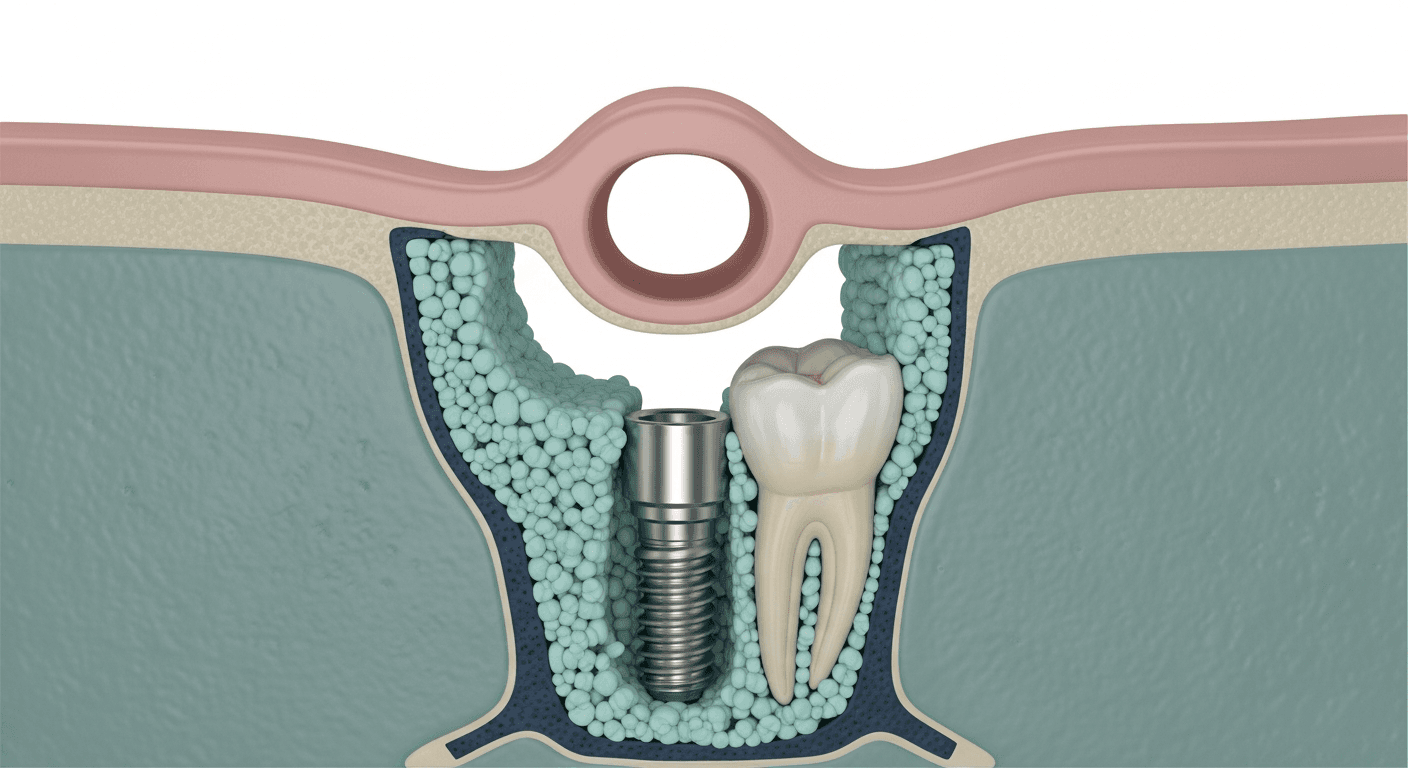
The timing of a dental implant after a tooth extraction depends on the extraction site, bone support, gum health, and whether infection was present — the implant may be placed the same day, a few weeks later, or after full healing, explains Dr. Alexander Antipov, a board-certified oral & maxillofacial surgeon in Roseville, CA. Needing a tooth extraction can feel like a major setback, but it can also be the first step toward a stable, natural-looking replacement.
This article is for general education — consult a qualified oral surgeon for a personalized recommendation.
Understanding Dental Implants
Dental implants are titanium posts placed in the jawbone to replace missing tooth roots. After healing, the implant supports a crown, which restores the look and function of a natural tooth. Compared to removable options, implants are fixed and stable, and compared to bridges, they do not require reshaping healthy adjacent teeth.
Their main advantages include a natural appearance with a custom crown matched to shape and shade, durability that can last many years with proper care, support for function in the area where a tooth is missing, and a comfort level many patients find closer to natural teeth than removable alternatives. When replacing a single tooth, implants are often considered a strong option because they restore the missing tooth without relying on neighboring teeth for support.
Timing for Implants After Tooth Extraction
There are three common timing paths. Your surgeon chooses based on site stability, gum condition, and infection risk.
Option 1: Immediate implant placement (same day)
Immediate placement means the implant is placed at the same appointment as the extraction. This can be a good option when:
- — The tooth is removed atraumatically and the socket walls are intact.
- — There is enough bone for initial stability.
- — Gum tissue is healthy and inflammation is controlled.
- — The bite and cosmetic zone allow safe planning.
Many patients like this approach because it can reduce the number of surgical visits and shorten the overall timeline. In some cases, a temporary tooth can be placed quickly for appearance, depending on stability and bite. Immediate placement does not always mean an immediate final crown — many cases still require a healing phase before the final tooth is attached.
Option 2: Early implant placement (often a few weeks after extraction)
Early placement is often chosen when the surgeon wants a short healing period for soft tissue closure, improved control of inflammation at the site, or a more stable gum contour before placement. This approach can be a strong middle option, especially if the tooth had mild inflammation or the site needs time to stabilize before placing an implant.
Option 3: Delayed implant placement (often a few months after extraction)
Delayed placement is often recommended when:
- — The tooth had a significant infection or active gum disease.
- — There is bone loss that needs grafting and healing first.
- — The extraction site needs time to remodel for a safer implant plan.
- — The case is in a complex aesthetic zone and tissue stability is critical.
A delayed approach can feel slower, but it is often more predictable when the site needs rebuilding or when infection risk is higher.
What Healing Looks Like After Tooth Extraction
Healing is not just “a few weeks.” Soft tissue heals quickly, but bone changes for months. Understanding this helps set realistic expectations.
| Stage | Timeframe | What Happens |
|---|---|---|
| Blood clot & early healing | First 7–10 days | A protective clot forms; mild swelling and tenderness are common; a soft diet and keeping the area clean help avoid dry socket. |
| Soft tissue closure | Weeks 2–6 | Gums gradually close over the site; many people feel normal, but bone remodeling continues under the surface. |
| Bone remodeling | Weeks to months | The jawbone remodels and naturally shrinks in the missing-tooth area; waiting too long without a plan can reduce bone volume. |
| Osseointegration | Often 3–6 months after placement | Bone bonds to the implant surface, creating the biological foundation for long-term stability. |
Bone Preservation After Extraction
One of the most overlooked parts of planning implants after tooth extraction is what happens immediately after the tooth comes out. In many cases, surgeons may recommend socket preservation, also called ridge preservation, which involves placing graft material into the socket to help maintain bone shape. This can be helpful when:
- — The tooth has been missing for a long time and bone is already reduced.
- — The area is in the smile zone, where gum contour matters.
- — You’re planning an implant but not placing it immediately.
- — The socket walls are thin and likely to collapse.
Bone preservation can improve predictability and reduce the chance you’ll need more extensive grafting later.
Options for Dental Implants
Your implant option depends on how many teeth you’re replacing and what the site can support.
- — Single tooth implant and crown. The most common option for replacing one missing tooth: the implant acts as the root, and a custom crown restores the visible tooth. It is a strong choice when you want a fixed solution without altering adjacent teeth.
- — Mini implants.Narrower than standard implants and used in specific situations. They are not a “better” implant — simply a different tool for certain anatomy and restoration needs.
- — Multi-tooth or full-arch solutions. If you have multiple missing teeth, implants can support bridges or implant-retained dentures. Options like All-on-4 full-arch implants are typically discussed when replacing a full arch and are not usually the first choice for a single missing tooth.
Factors That Influence Success
- — Bone density and volume. Stable bone support is critical. If bone is thin or soft, your surgeon may recommend grafting, staged treatment, or a modified timeline to improve predictability.
- — Gum health and infection history. If extraction was due to severe infection or gum disease, a more cautious plan may be chosen. Treating inflammation first often improves outcomes.
- — Oral hygiene.Daily cleaning and consistent professional maintenance reduce the risk of peri-implant inflammation — a major factor you can control.
- — Lifestyle factors. Smoking increases healing and infection risk, and uncontrolled diabetes can slow healing. If these are relevant, a more conservative timeline may be recommended.
Frequently Asked Questions
How long does the entire dental implant process take after extraction?
It depends on timing and whether grafting is needed. Some immediate cases may shorten the overall timeline, but many still require several months for osseointegration before the final crown is placed. If the site needs healing or bone support first, the full process can take longer, and your surgeon should outline a step-by-step plan for your case.
Are dental implants painful after a tooth extraction?
Most patients feel pressure during the procedure, but not sharp pain due to anesthesia. After surgery, soreness is common for a few days and is usually manageable with recommended medications and care instructions. If pain increases after initial improvement, contact your surgeon for evaluation.
Can I eat normally after getting an implant?
You’ll usually need a softer diet for a short period after extraction and implant placement. As healing progresses, most patients return to a normal diet, but hard or sticky foods may need to be avoided until your surgeon confirms stability. Following food guidelines helps protect the implant during the healing window.
How do I care for the extraction site and implant area?
Follow your surgeon’s instructions closely, especially in the first week. Gentle cleaning, avoiding disturbance of the clot, and using rinses if prescribed support healing. Long-term, implants require daily brushing and interdental cleaning, plus routine professional maintenance.
What are the risks of dental implants after tooth extraction?
Implants have high success rates, but risks include infection, delayed healing, nerve or sinus complications in specific locations, and implant failure to integrate. Risk level depends on bone quality, gum health, and whether infection was present at extraction. A thorough exam and imaging are the best ways to reduce surprises.
Are dental implants covered by insurance after extraction?
Coverage varies by plan. Some policies contribute to the extraction but not the implant, while others may cover part of the surgical or crown portion. The best step is to request a written estimate and have the office check your benefits before treatment.
Sources & References
Peer-reviewed and authoritative references supporting the information in this article.

Dr. Alexander V. Antipov
Board-certified oral and maxillofacial surgeon specializing in dental implants, full-arch restoration, zygomatic implants, and corrective jaw surgery. Serving patients throughout Northern California and beyond.
Planning an Implant After Extraction?
The safest plan starts with an in-person exam and 3D imaging. The consultation is complimentary. A patient coordinator will call back within 24 hours and explain what to prepare.