All-on-X Dental Implants Cost Explained: 4, 6, 8 Implants
Medically reviewed by Dr. Alexander V. Antipov, DDS— Board-Certified Oral & Maxillofacial Surgeon · Diplomate, American Board of Oral & Maxillofacial Surgery (ABOMS) · California Dental License #50724
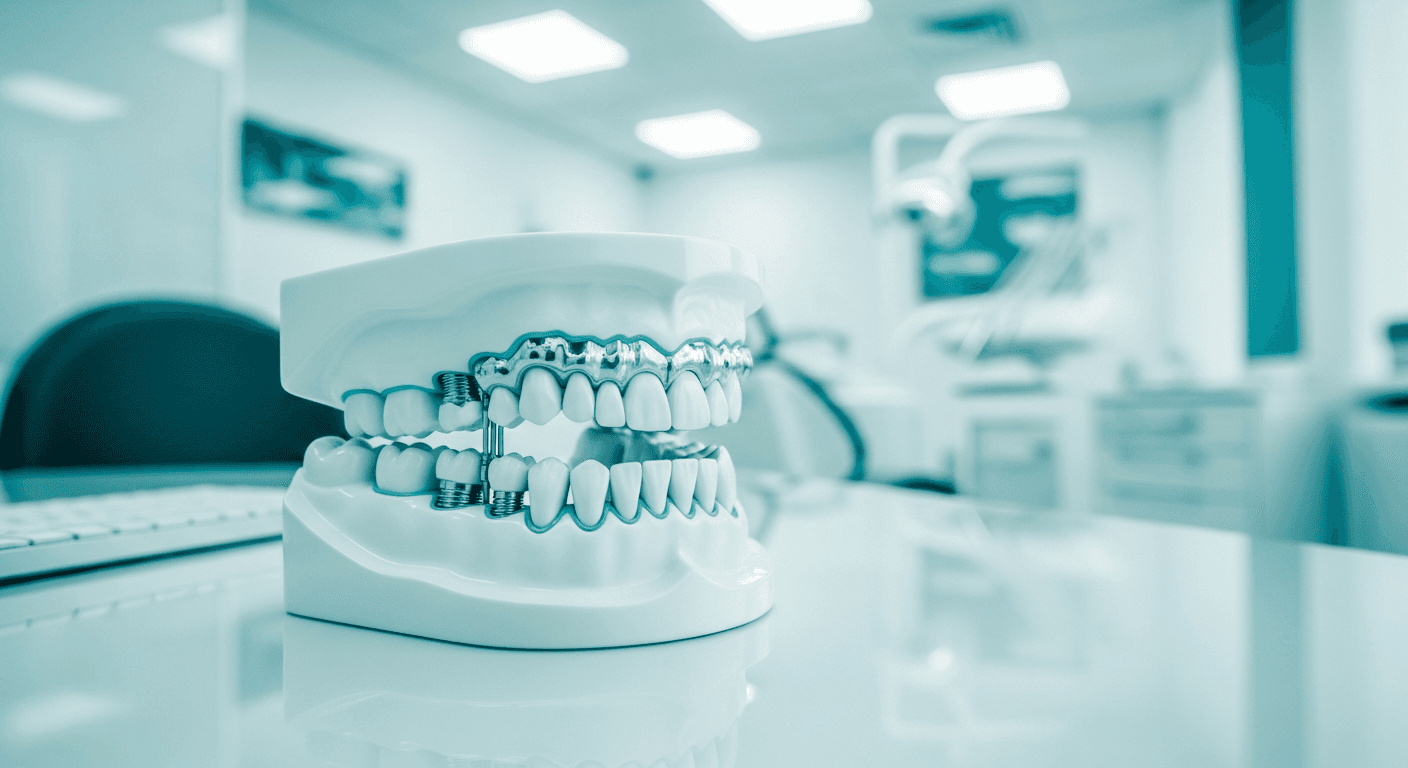
The cost of All-on-X full-arch implants depends mainly on how many implants your arch needs — usually four, six, or sometimes eight — plus imaging, extractions, sedation, and the prosthesis, explains Dr. Alexander Antipov, a board-certified oral & maxillofacial surgeon in Roseville, CA. “All-on-X” is an umbrella term for full-arch implant treatment: the goal is always to replace an entire upper or lower set of teeth with fixed, permanent teeth, and the number of implants is what changes — and so does the cost. Here is how to make sense of it.
Costs and terms vary by provider and plan — confirm details with your own provider before making decisions.
What “All-on-X” Means
The “X” is simply whatever number the case calls for: All-on-4 (four implants per arch, the most common), All-on-6 (six implants, more support), or All-on-8 (eight implants, reserved for very long arches or unusual bone). All of them anchor a fixed full-arch prosthesis.
Quick Cost Comparison
| Configuration | Per Arch | Both Arches |
|---|---|---|
| All-on-4 (acrylic provisional + zirconia final) | $25,000–$35,000 | $45,000–$65,000 |
| All-on-6 (acrylic provisional + zirconia final) | $30,000–$42,000 | $55,000–$80,000 |
| All-on-8 | $40,000+ | $75,000+ |
These figures reflect national averages for premium materials and configurations. Your exact cost is determined after a 3D scan and exam, then presented as a written, itemized plan.
Why the Cost Difference?
- — More implants, more material and time. Each titanium implant and each placement adds cost and surgical minutes.
- — Abutment configurations. More implants often need angled or multi-unit abutments — premium components.
- — Prosthesis design. A six-implant bridge distributes load differently than a four-implant one and can require different engineering.
- — Imaging and planning. More implants mean more complex 3D planning and surgical guides.
- — Bone preparation. Additional sites can require grafting or other bone work.
What Should Be Included in the Price?
A quote you can actually compare should include the consultation and 3D imaging, treatment planning with a surgical guide, any necessary extractions, all implants and abutments, the same-day temporary teeth, the final zirconia (or premium) prosthesis, sedation, follow-up visits for the first year, and adjustments. A quote that excludes extractions, sedation, or the final prosthesis is not comparable to one that includes them.
How Many Implants Do You Actually Need?
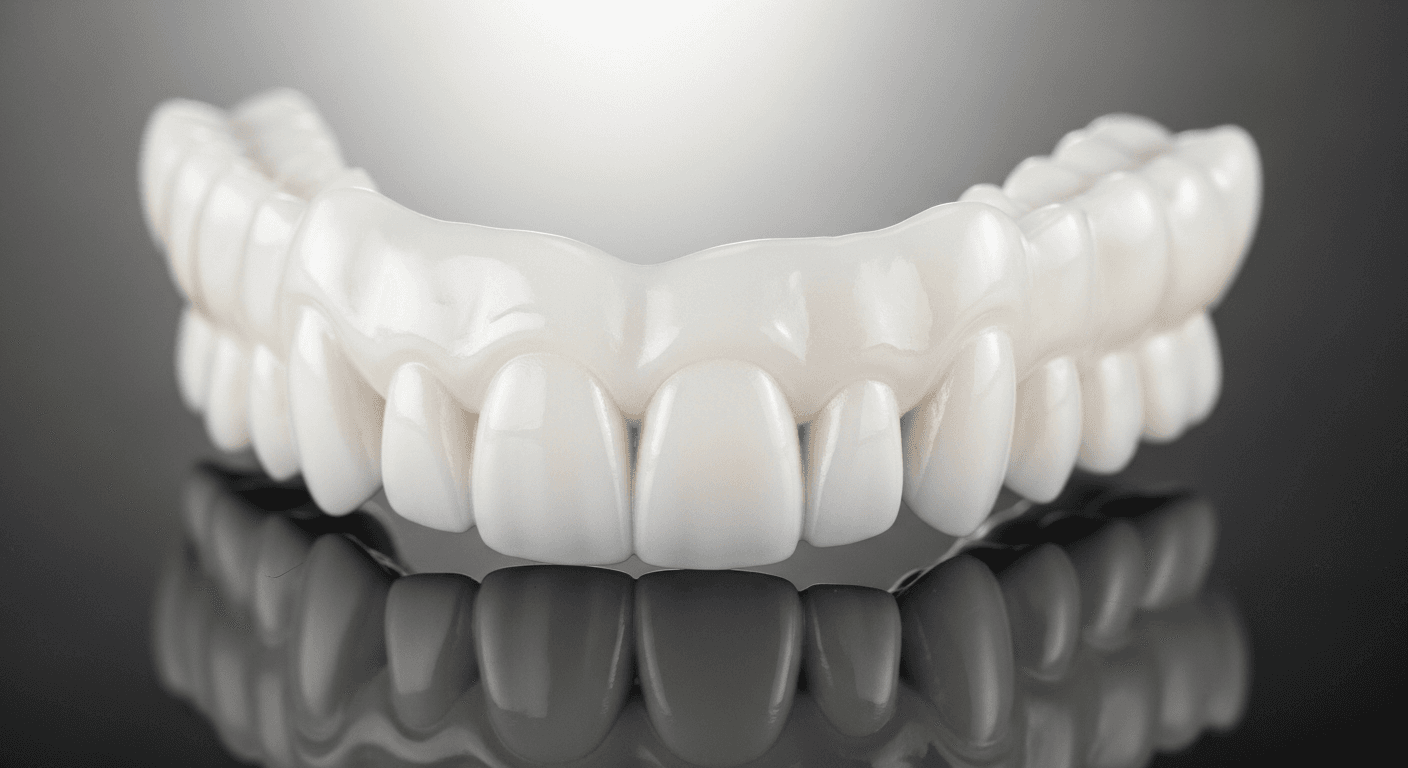
Four implantsare biomechanically sufficient for most patients with adequate front-jaw bone, a standard arch length, and no severe grinding. The All-on-4 design — two upright front implants and two angled back implants — is backed by 20+ years of research.
Six implants make sense for longer arches, heavy bite forces, bruxism, or when eliminating the rear cantilever improves long-term predictability. Eight implantsare uncommon — reserved for very long arches, severe parafunction, or compromised bone that calls for redundancy.
The right number should come from your 3D scan, your bite, and your habits — not from a fixed sales script. Be wary of any practice that always recommends more (or always fewer) implants regardless of the case, or that quotes a price before evaluating you.
Materials Affect Cost Too
The prosthetic material matters as much as the implant count. PMMA acrylic is lighter and less expensive but typically lasts 5–7 years; acrylic on a titanium bar is stronger (7–10 years); monolithic zirconia costs more upfront but commonly lasts 15–20+ years. Because zirconia rarely needs early replacement, its lifetime cost is often lower.
How to Compare Quotes
- — Confirm 3D imaging is part of the consultation.
- — Get the quote in writing with every line item.
- — Verify what is included vs. extra (extractions, grafting, sedation, final prosthesis).
- — Ask about the implant brand and the prosthetic material for both temporary and final.
- — Ask about the surgeon’s credentials — a board-certified oral surgeon vs. a general dentist.
- — Confirm warranty terms and post-op support. Cheapest is rarely best value.
Frequently Asked Questions
Is All-on-4 strong enough for normal eating?
Yes. All-on-4 supports roughly 95% of natural bite force, and most patients eat what they want, including hard and chewy foods.
Why choose All-on-6 over All-on-4?
Better load distribution on longer arches, extra support for heavy biters, eliminating the distal cantilever, and redundancy if an implant ever fails. For the right case the added cost is worthwhile.
Is the cost the same for top and bottom?
The upper arch is often slightly higher because the bone is typically softer and closer to the sinus, sometimes requiring a sinus lift or zygomatic implants.
What if I can only afford one arch now?
Many patients treat the more pressing arch first and stage the second over time. Financing can also spread the cost into manageable monthly payments.
What should a real All-on-X quote include?
A complete quote accounts for 3D imaging, any needed extractions, sedation, the temporary teeth, and the final prosthesis — not just the implants themselves. Comparing quotes that leave out these steps can make one option look cheaper than it really is.
How is the right number of implants decided?
The number is determined by 3D imaging and your bite — not by price alone. Bone volume and density, arch length, and how hard you bite all influence whether four, six, or more implants are recommended for a predictable long-term result.
Sources & References
Peer-reviewed and authoritative references supporting the information in this article.

Dr. Alexander V. Antipov
Board-certified oral and maxillofacial surgeon in Roseville, CA, specializing in dental implants, All-on-4 and All-on-6 full-arch restoration, and corrective jaw surgery. Serving the greater Sacramento region.
Want a Precise Cost for Your Case?
Schedule a consultation for a 3D scan, a bone evaluation, and a detailed treatment plan with transparent, itemized pricing — no guesswork.